



The Digital-Age Dastarkhan
Not long ago, the most prized family recipes were secrets, passed down through generations and scribbled in faded notebooks. Today, they’re going viral. A new wave of young Indian and Indian-American content creators are using platforms like Instagram,
YouTube, and TikTok to document, share, and celebrate the food of their heritage. They aren't just posting glossy photos; they are creating engaging, step-by-step video tutorials that demystify complex dishes and tell the stories behind them. Influencers like Ananya Banerjee, who explores forgotten Bengali recipes, or the creators behind the popular blog Hebbar's Kitchen, have amassed millions of followers by making traditional cooking accessible. The aesthetic is often a deliberate departure from slick, professional food media. It's authentic, personal, and frequently features the original experts: mothers and grandmothers, guiding the process from the corner of the frame, their hands demonstrating a lifetime of muscle memory in kneading dough or tempering spices.
More Than Just Nostalgia
While nostalgia is a powerful ingredient, this trend runs deeper than a simple yearning for childhood flavors. For many, it's an act of cultural reclamation and preservation. In a rapidly globalizing world, where Western food trends often dominate the conversation, showcasing regional Indian cuisine is a way to assert identity. It’s a conscious choice to celebrate hyper-local ingredients and techniques that are often overlooked in mainstream restaurant culture, which tends to favor a handful of North Indian dishes like butter chicken and naan. By documenting these recipes online, this generation is creating a permanent digital archive, ensuring that culinary traditions aren’t lost as families become more geographically dispersed. There’s also a significant wellness component. Many of these traditional recipes emphasize whole foods, seasonal vegetables, millets, and fermentation—principles that align perfectly with modern health-conscious eating, offering a flavorful alternative to processed foods.
Rediscovering Regional Gems
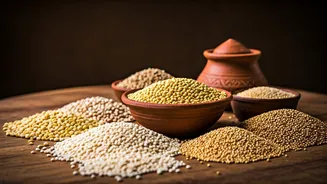
This movement is radically expanding America's understanding of what “Indian food” even is. The focus is shifting from a monolithic idea of curry to a vibrant tapestry of regional specialties. Creators are introducing their followers to dishes they would never find on a typical U.S. restaurant menu. Think of the fermented rice dish Panta Bhat from West Bengal, a humble farmer's meal now being plated in gourmet style, or the complex, coconut-based Xacuti curry from Goa with its unique blend of poppy seeds and roasted spices. We're seeing a revival of dishes made with ancient grains like ragi and bajra (millets), which are not only sustainable and nutritious but also central to the cuisines of states like Rajasthan and Karnataka. These young chefs and bloggers act as translators, explaining the cultural context, the specific properties of a spice, or the reason a certain technique is used, making the unfamiliar feel inviting and achievable for a global audience.
From Kitchen to Commerce
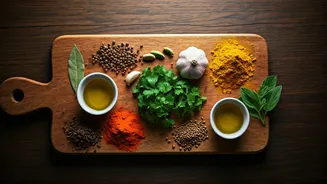
The trend isn't confined to the digital realm; it's spilling over into the real world with tangible economic impact. The popularity of these online tutorials has fueled a new market for specialized ingredients and products. Small businesses, often run by the creators themselves, are launching direct-to-consumer brands selling artisanal spice blends (masalas), hard-to-find regional ingredients, and even meal kits based on their family recipes. This digital buzz is also influencing professional kitchens. Young, innovative chefs in the U.S. and beyond are drawing inspiration from this online revival, putting their own modern spin on forgotten dishes and proudly crediting their heritage. It represents a fundamental shift in culinary authority—away from classically trained chefs and toward a more democratized landscape where the most authentic voice, whether from a home kitchen in Mumbai or a suburban kitchen in New Jersey, can set the next big food trend.