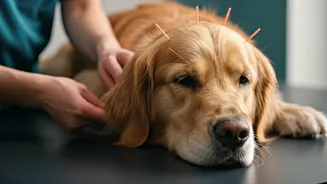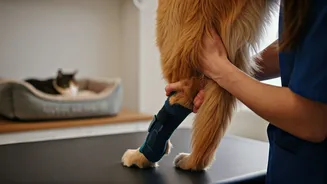







More Than Just a Luxury
Once considered a niche luxury, animal rehabilitation is fast becoming a mainstream component of veterinary medicine across the United States. Just as physical therapy helps humans regain mobility and manage pain, it does the same for our pets. This isn't
about pampering; it's about applying proven medical science to improve an animal's quality of life. Veterinarians now regularly prescribe it to manage chronic conditions, accelerate post-surgical healing, and provide non-invasive alternatives to medication or surgery. The goal is simple: to help pets live more comfortable, active, and longer lives. This shift reflects a deeper cultural change where pets are viewed not as property, but as integral family members deserving of sophisticated medical care.
From Arthritis to ACL Tears
The range of conditions that benefit from physical therapy is vast. For older dogs, it's a game-changer in managing the chronic pain and stiffness of osteoarthritis. Custom exercise plans can improve joint mobility and build supporting muscle, reducing reliance on pain medication. For the athletic dog that tore an ACL equivalent (the CCL, or cranial cruciate ligament), a post-operative rehab plan is now the gold standard for a full recovery. Other common recipients include pets with hip dysplasia, neurological issues from slipped discs (IVDD), and those needing help with weight management. Even cats, who are notoriously good at hiding pain, are finding relief from age-related ailments through gentle, tailored therapeutic programs.
What Pet PT Looks Like
A pet physical therapy session can look surprisingly familiar to anyone who’s been through PT themselves, albeit with more fur and tail wags. One of the most effective tools is the underwater treadmill. The water’s buoyancy reduces stress on painful joints while its resistance helps build muscle. Another common modality is cold laser therapy, which uses specific wavelengths of light to reduce inflammation and promote tissue healing at a cellular level. Beyond the high-tech equipment, the foundation of animal rehab lies in therapeutic exercise. A therapist might guide a dog through a series of specific movements using balance balls, cavaletti rails (small hurdles), and wobble boards to improve core strength, balance, and body awareness. Therapeutic massage and controlled stretching are also key components for relieving muscle tension and improving flexibility.
The Rise of the Rehab Professional
This isn't a job for just any animal lover. The field is populated by highly trained professionals. A certified canine rehabilitation therapist (CCRT) or certified canine rehabilitation veterinarian (CCRV) is typically a licensed veterinarian or physical therapist who has undergone hundreds of hours of additional, specialized training. These certifications, offered by institutions like the Canine Rehabilitation Institute, ensure that the person handling your pet understands animal anatomy, physiology, and biomechanics in intricate detail. They are trained to perform a comprehensive evaluation and design a personalized protocol tailored to the pet’s specific condition, age, and fitness level. This expertise is what transforms a general concept into a precise, effective medical treatment.
Finding Care in Your Community
Perhaps the most significant part of this trend is its growing accessibility. While veterinary teaching hospitals at major universities were the early pioneers, dedicated animal rehabilitation centers are now opening in suburbs and smaller towns across the country. Many general veterinary practices are also adding certified rehab professionals to their staff or investing in basic rehab equipment. This decentralization means that high-quality care is no longer reserved for those living in major metropolitan areas. For pet owners interested in exploring this option, the best first step is a conversation with their primary veterinarian. They can provide a referral, and professional organizations like the American Association of Rehabilitation Veterinarians (AARV) maintain online directories of certified practitioners, making it easier than ever to find qualified help nearby.