




The Real Monsoon Advantage
The idea of intentionally booking a trip during a destination’s rainy season might seem counterintuitive. We’re conditioned to chase the sun, equating a perfect vacation with cloudless blue skies. But the travel landscape is changing. As popular destinations
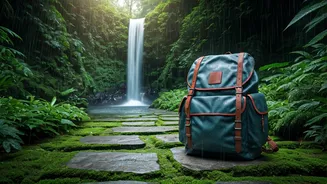
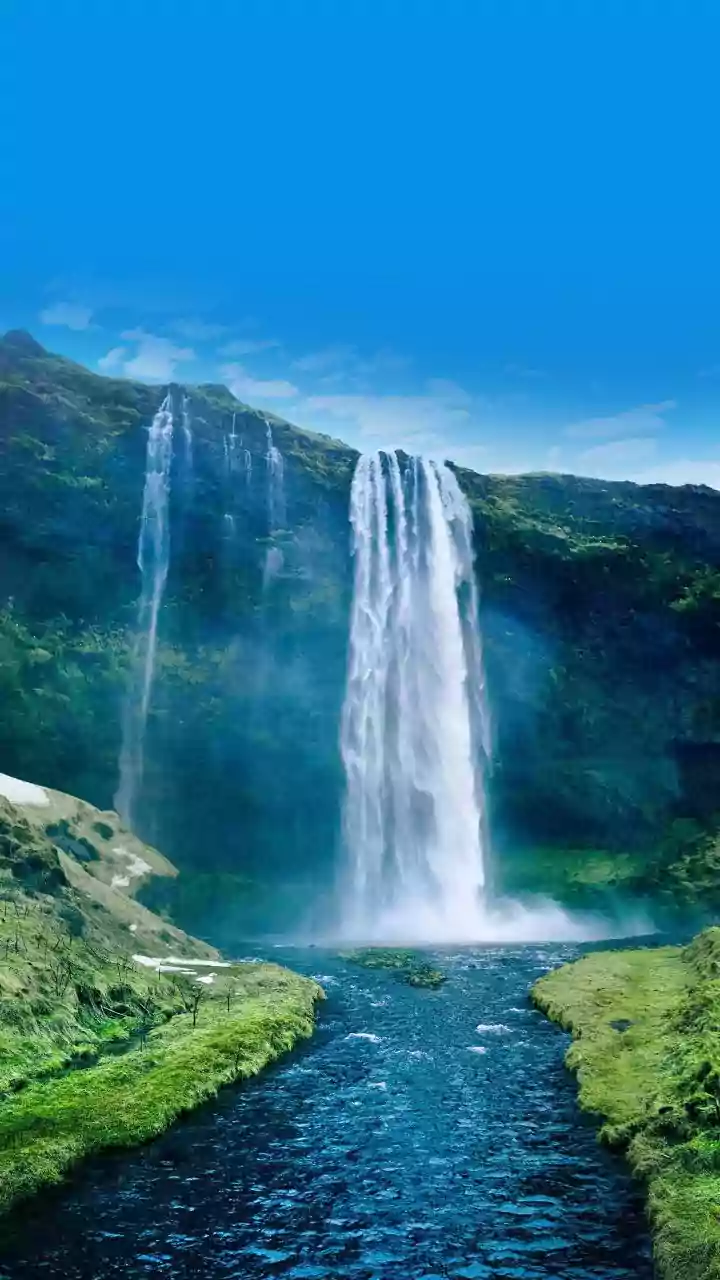
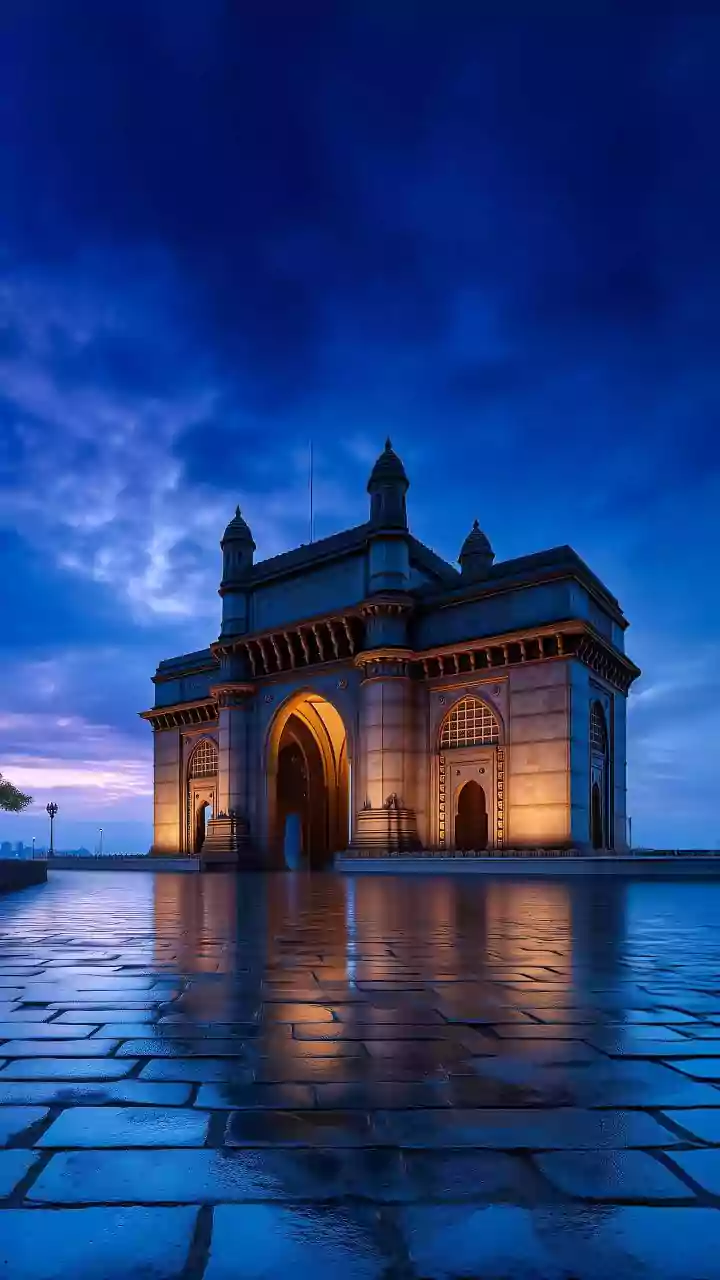
buckle under the weight of over-tourism, causing prices to soar and experiences to feel diluted, a growing number of travelers are discovering the strategic benefits of the shoulder—or monsoon—season. The primary draw is value. Flights and accommodations can be significantly cheaper, sometimes by as much as 30-50%. But the perks go beyond the financial. The biggest luxury you’ll find is space. Imagine having a world-famous temple or a pristine beach almost to yourself. Landscapes, parched during the dry season, explode into vibrant, electric shades of green. Waterfalls roar back to life, and the air feels clean and fresh after a downpour. It’s a different kind of beauty, dramatic and moody, that offers a more profound connection to the place.
Build a 'Weatherproof' Mindset
The single most important item to pack for a monsoon trip isn’t a raincoat—it’s a flexible mindset. The key is to stop seeing rain as an obstacle and start seeing it as part of the rhythm of the day. A tropical downpour is rarely an all-day affair. More often, it’s a short, intense burst in the afternoon, which you can plan around. This is your cue to slow down. That storm rolling in is the perfect excuse to duck into a local coffee shop and watch the world go by, enjoy a long, leisurely lunch, or get a massage. Instead of a minute-by-minute itinerary packed with outdoor activities, build a schedule that breathes. Plan your main excursion for the morning, when skies are often clearer. Keep your afternoons open for spontaneous, indoor activities. When you stop fighting the weather and start working with it, you’ll find a more relaxed and authentic travel experience waiting for you.
The Flexible Itinerary Blueprint
Flexibility needs to be built into your plans from the start. First, when booking accommodations, prioritize hotels and guesthouses with free cancellation policies. This gives you the freedom to change your plans on a whim if one region is getting more rain than another. Second, resist the urge to pre-book every tour and activity. Many local operators run weather-dependent trips (like snorkeling or boat tours) that can be easily booked a day or two in advance, allowing you to choose the clearest day. Third, create a 'rainy day' list for each location. Research the best museums, art galleries, cooking classes, local markets, and movie theaters. Having these options in your back pocket turns a potential washout into a planned cultural experience. This way, a rainy day doesn’t mean a 'lost' day; it just means it’s time for Plan B.
Strategic Packing for Rain and Humidity
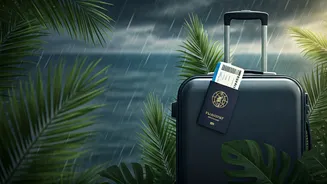
Packing for a humid, rainy climate requires a specific approach. Leave the cotton T-shirts and jeans at home; they take forever to dry and will leave you feeling damp and uncomfortable. Instead, opt for lightweight, quick-drying fabrics like merino wool or synthetic blends. A high-quality, breathable rain jacket is essential, but a small, packable umbrella is also invaluable for short dashes through a city. For footwear, choose sandals with good grip or waterproof walking shoes—avoid standard flip-flops, which become dangerously slick on wet pavement. A crucial but often overlooked item is a waterproof dry bag. Use it to protect your phone, camera, and passport when you’re caught in a sudden downpour. Finally, remember that rain can bring out insects, so a reliable bug spray containing DEET or picaridin is non-negotiable.
Choose Your Destination Wisely
Not all monsoon seasons are created equal. In many large countries, the rainy season affects different regions at different times. In Thailand, for example, when the Andaman coast (Phuket, Krabi) is experiencing its heaviest rains from May to October, the Gulf coast (Koh Samui, Koh Phangan) is often relatively dry and sunny. Researching these microclimates can help you game the system. Look for destinations where the infrastructure is built to handle rain. Countries in Southeast Asia and Central America have been dealing with these weather patterns for centuries. Life doesn't stop; it just adapts. This often means you can find covered walkways, excellent indoor attractions, and a vibrant local life that continues, rain or shine. A little pre-trip research on regional weather patterns can make the difference between a soggy disappointment and a brilliant travel hack.