



1. Design That Blends In and Stands Out
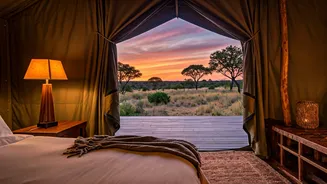
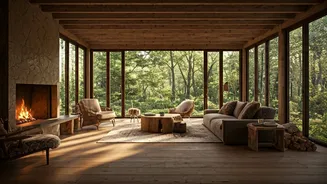
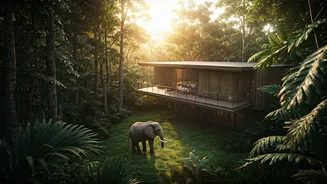
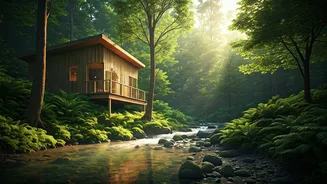
The new wildlife lodge is an architectural marvel. Gone are the days of generic, colonial-pastiche designs dropped into the landscape. Today, the world’s most innovative lodges are being built with a profound sense of place. Architects are using locally
sourced, sustainable materials—rammed earth, reclaimed wood, volcanic rock—to create structures that seem to grow organically from their surroundings. Think villas that mimic termite mounds, like the new Loapi Tented Camp in South Africa, or suites that curve around ancient baobab trees. The aesthetic is less about imposing luxury and more about creating a seamless, beautiful boundary between you and the wild. This isn't just about looking good; it's about minimizing environmental impact and deepening the guest's connection to the ecosystem before they even step on a safari vehicle.
2. Conservation Becomes the Main Activity
Previously, a lodge’s conservation efforts were often a footnote—a line on the website or a small donation included in your bill. Now, conservation is becoming the star attraction. Forward-thinking lodges are inviting guests to become active participants. Instead of just spotting a leopard, you might spend the morning with a research team, helping to identify individuals for a population study. Instead of just admiring elephants, you could join a team replacing a radio collar on a matriarch. Properties like andBeyond Phinda Private Game Reserve in South Africa or Singita’s Grumeti Reserve in Tanzania have turned guest-funded conservation into a powerful, hands-on experience. This shift transforms travelers from passive observers into temporary stewards, giving them a much deeper appreciation for the complexities of protecting the world's most vulnerable habitats.
3. The Menu Is Its Own Safari
Forget imported champagne and steak flown in from another continent. The culinary philosophy at these new lodges is radically local. The concept of "farm-to-table" is taken to its logical extreme, with many lodges operating their own organic gardens and sourcing everything else from the immediate community. Chefs are becoming storytellers, foraging for wild herbs and indigenous vegetables, and weaving local culinary traditions into sophisticated, modern menus. At Kisawa Sanctuary in Mozambique, the chefs work with local fishermen and farmers to craft a daily menu that is a direct reflection of the surrounding land and sea. This approach not only provides an incredibly fresh and authentic taste of the region but also creates a vital economic link that makes the lodge a true partner to its neighbors.
4. Luxury Means Privacy, Not Pomp
The definition of luxury in the wild is changing. It's no longer about gold taps and butlers on speed dial. The ultimate modern luxury is space, silence, and true privacy. New lodges are being designed with this in mind, often featuring a small number of sprawling, self-contained villas spread out over vast acreages. At properties like Amangiri in the Utah desert or Habitas Namibia, the focus is on creating a private sanctuary where you can disconnect and feel like you have the entire landscape to yourself. The experience is curated to encourage presence and mindfulness—private yoga decks overlooking a canyon, outdoor tubs for stargazing, or simply a perfectly placed armchair with an uninterrupted view. It’s a move away from the social, resort-style experience and toward something more personal and contemplative.
5. A Focus Beyond the 'Big Five'
For decades, the success of a safari was measured by a simple checklist: lion, leopard, rhino, elephant, and buffalo. While seeing these magnificent animals is still a thrill, the new approach to wildlife viewing is far more holistic. Guides are trained as expert naturalists, capable of making the entire ecosystem fascinating. A trip might focus on the incredible world of insects, the medicinal properties of local plants, or the complex social lives of a meerkat colony. The emphasis is on understanding the intricate web of life, not just bagging trophy sightings. This broader focus makes every moment in the wild compelling, turning a simple walk into a journey of discovery and ensuring that even on a "quiet" day for big game, the experience is rich and rewarding.