





What Exactly Is This Trend?
Forget simple orange juice or a basic smoothie. The new fruit drink trend is all about complexity, customization, and visual appeal. It’s not one single beverage, but a category of concoctions that treat a drink like a personal creation. Think of it as the
beverage version of a build-your-own-bowl restaurant. The movement encompasses everything from Utah’s famous “dirty sodas” and vibrant agua frescas to the controversial “loaded teas” popping up in small-town storefronts. The common thread is a base (soda, tea, or water), a blast of fruit flavor (often from syrups or purees), and frequently, a surprising addition like cream, candy, or nutritional supplements. It’s less about simple hydration and more about creating a personal, indulgent, and highly photogenic experience in a cup.
The Social Media Fuel
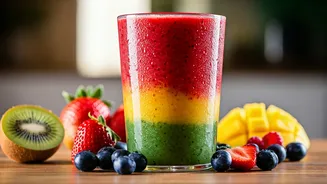
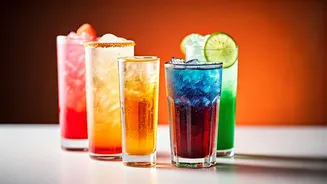
You can’t understand this trend without looking at TikTok and Instagram. These drinks are made for the screen. Their vibrant, layered colors and the ritualistic process of mixing them are perfect for short-form video. Hashtags like #WaterTok (where users create elaborate, flavored water recipes) and #DirtySoda have billions of views, turning everyday hydration into a form of entertainment and community. Influencers unbox massive new collections of sugar-free syrups, while baristas demonstrate the perfect pour of cream into a cup of Dr Pepper. The visual allure is undeniable; a murky green juice just can’t compete with the sunset hues of a raspberry-peach-pineapple soda. This shareability has transformed regional curiosities into national phenomena almost overnight, driving customers into chains like Swig and Dutch Bros, as well as local coffee shops trying to cash in.
A Search for 'Permissible Indulgence'
So, why now? This trend is hitting the sweet spot between wellness and indulgence. After years of being told to drink bland seltzer or expensive, punishingly healthy green juices, many consumers are looking for a middle ground. They want flavor and fun without feeling like they’re completely derailing their health goals. This is where “permissible indulgence” comes in. A dirty soda feels more exciting than a boring Diet Coke, but less sinful than a full-blown milkshake. An agua fresca feels more natural and refreshing than a standard high-fructose soda. The ability to customize with sugar-free syrups also gives people a sense of control, allowing them to participate in the trend while adhering to specific diets. It’s a small, affordable luxury that offers a moment of joy and creativity in a world that often feels restrictive.
Meet the 'It' Drinks
While thousands of combinations exist, a few key drinks define the trend. First is the Dirty Soda, which originated in Utah’s Mormon community as an alternative to coffee and alcohol. The classic formula is a base soda (like Coke or Dr Pepper), a shot of flavored syrup (like coconut or raspberry), and a splash of creamer, often served over pebble ice with a lime wedge. Next are Agua Frescas, the traditional Latin American coolers made from fruit, water, and a touch of sugar. Once found mainly in taquerias, they’re now appearing in chic cafes with artisanal flavors like cucumber-lime-mint or strawberry-hibiscus. Finally, there are Loaded Teas, which are more controversial. Marketed as healthy energy drinks, they typically combine a tea base with caffeine-heavy energy powders, supplements like biotin and collagen, and a wide array of fruit-flavored syrups, often with neon colors and alarming caffeine levels.
But Are They Actually Healthy?
Here’s the million-dollar question. The word “fruit” can be a bit of a health halo. While agua frescas made with real fruit and minimal sugar can be a refreshing choice, many of the other trendy drinks are essentially desserts in disguise. A large dirty soda or a commercial fruit-flavored latte can easily pack more sugar than a can of regular soda and hundreds of calories, especially when creams and full-sugar syrups are involved. Even the “sugar-free” versions rely on artificial sweeteners, and loaded teas can contain immense amounts of caffeine. While they may be a fun treat, it’s best to view most of these drinks as an indulgence rather than a health-conscious daily habit. The key, as with most things, is moderation and being aware of exactly what’s in your cup.