




A Valley of Echoing Silence
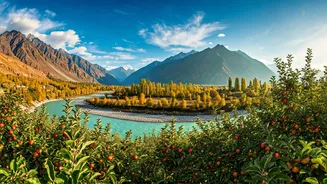
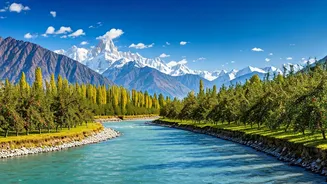
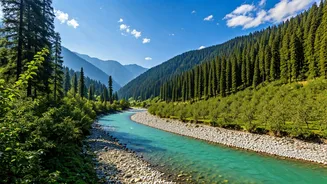
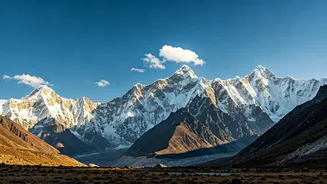
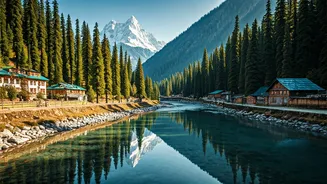
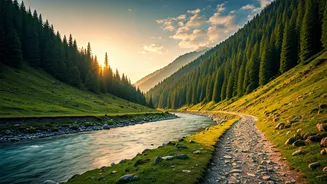
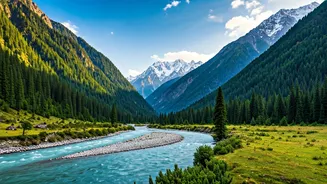
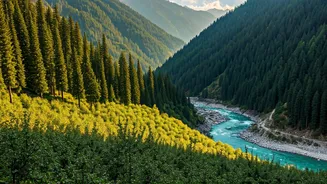
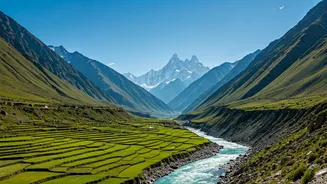
Imagine a place where the loudest sound is the rushing turquoise water of the Bhagirathi River, a major headstream of the Ganges. Picture dense forests of deodar pine perfuming the crisp mountain air. This is Harsil. Situated at an elevation of around
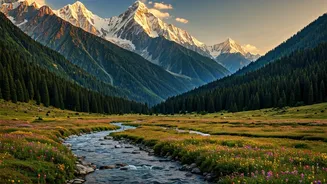
8,500 feet in the state of Uttarakhand, this hidden valley is a world away from the frantic energy of India’s megacities and even the crowded hum of more famous mountain towns. Unlike bustling Himalayan hubs, Harsil doesn't shout for your attention. It whispers. The calm here is not an absence of sound, but a presence of peace—a deep, resonant quiet that settles over the landscape and, eventually, over you.
Beyond the Pilgrim Trail
Harsil lies on the well-trodden pilgrimage route to Gangotri, one of the holiest sites in Hinduism. For decades, it was seen merely as a stopover, a place for travelers to rest their heads before the final leg of a spiritual journey. But those who linger discover that the village is a destination in its own right. The true Harsil experience begins when the pilgrim buses have moved on. What’s left is a small settlement of wooden houses, a handful of guesthouses, and a community whose rhythm is dictated by nature. This season, with the post-monsoon clarity painting the skies a brilliant blue and the pre-winter chill hinting at the snows to come, the valley offers a perfect window of solitude. It’s a chance to experience the Himalayas not as a challenge to be conquered, but as a presence to be with.
An Apple-Scented History
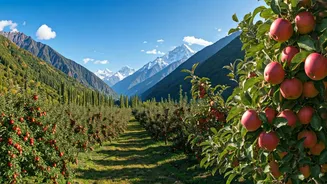
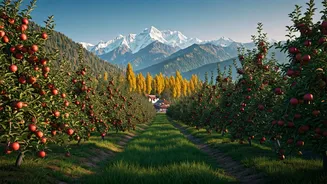
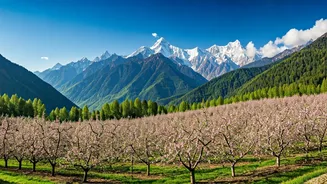
The village’s charm is deepened by a unique backstory. Much of Harsil's modern identity is tied to its sprawling apple orchards, a legacy of a 19th-century British settler named Frederick E. Wilson. Nicknamed “Pahari Wilson” (Wilson of the Hills), he deserted the British army, settled in Harsil, and married a local woman. He introduced apple cultivation to the valley, and today, Harsil’s apples are famous across India. You can still find remnants of his story, including “Wilson’s Cottage,” a dilapidated but atmospheric landmark. This history adds a fascinating layer to the landscape, transforming a simple walk through an orchard into a step back in time. The apples are not just a crop; they are a living link to a renegade who found his own version of Himalayan calm here nearly two centuries ago.
The Gentle Art of Doing Nothing
A trip to Harsil is an exercise in the gentle art of doing nothing. There are no theme parks, no shopping malls, and no curated nightlife. Instead, the days are filled with simple, profound pleasures. You can take long, meandering walks along the river, crossing quaint wooden bridges to tiny, secluded hamlets. You can find a sun-drenched boulder and spend an afternoon reading, with the Himalayas as your backdrop. You can engage in conversations with local villagers, whose warmth and hospitality are as much a part of the landscape as the mountains. As dusk falls, the valley sky puts on a celestial show, with stars so bright and numerous they feel almost within reach. In Harsil, the goal isn't to see everything, but to feel something—a connection to the earth, a slower pulse, and a quiet mind.