








The Air Fryer Ascendancy
If you want to understand this trend, start with the kitchen appliance that became a cultural icon. The air fryer, once a niche gadget, is now a staple in dorm rooms, first apartments, and family kitchens across America. Its rise is no accident. It’s
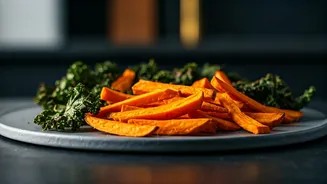
the perfect vessel for Gen Z’s culinary desires, capable of producing shatteringly crisp results on everything from frozen fries to fresh vegetables with little more than a whisper of oil. By circulating hot air at high speed, it mimics the effect of deep-frying without submerging food in fat. This technological shortcut delivers the coveted crunch while aligning with a broader desire for healthier, less-processed cooking methods. It’s not just about convenience; it’s about control. The air fryer empowers home cooks to achieve restaurant-quality textures on their own terms, turning a weeknight meal into a satisfying sensory event.
The Psychology of Snap
The obsession with crunch goes far beyond health. It’s deeply rooted in sensory psychology. A loud, sharp crunch is an auditory signal our brains interpret as fresh and high-quality. Think of the snap of a crisp apple or the crackle of a perfectly baked potato skin. In a world of soft, processed foods, a powerful crunch provides a gratifying textural contrast that feels more engaging and, frankly, more real. This desire for intense sensory feedback is amplified by social media. The internet is filled with ASMR (Autonomous Sensory Meridian Response) content, where the amplified sounds of eating are a core part of the appeal. Food that looks and *sounds* good on camera—a crispy chicken sandwich being pulled apart, a fork cracking a crème brûlée—is primed for viral success. For a generation fluent in the language of TikTok and Instagram, a food’s audible qualities are just as important as its flavor.
A Quest for Permissible Indulgence
The “minimum oil” component isn't about spartan self-denial. Instead, it reflects a philosophy of “permissible indulgence.” Gen Z isn’t giving up comfort foods; they are hacking them. They still want the joy of French fries, onion rings, and crispy chicken, but they’re seeking ways to enjoy them without the guilt or heaviness of traditional preparations. This mindset favors smarter choices over total restriction. It’s why you see products like baked potato chips, puffed snacks made from chickpeas or lentils, and vegetable-based “fries” gaining massive traction. Food brands are scrambling to reformulate their products to deliver that crispy satisfaction with cleaner ingredient labels and lower fat content. This isn't the fat-free craze of the 1990s, which often substituted fat with sugar and chemicals. It’s a more holistic approach focused on whole ingredients and less intervention, where technology like air-frying is seen as a way to enhance, not just replace.
How the Algorithm Shapes Our Appetites
You cannot separate this trend from the platforms that incubate it. A scroll through any social feed reveals an endless parade of crunchy creations, from viral folded tortilla wraps crisped in a pan to “smashed” potatoes roasted to a perfect golden-brown. These recipes are visually arresting and audibly satisfying, making them ideal fodder for short-form video. The algorithm rewards engagement, and few things are more engaging than a recipe that promises an epic crunch with minimal effort. This creates a powerful feedback loop: users see crunchy food go viral, they try it themselves, share their own results, and further amplify the trend. Food creators and brands, in turn, lean into what works, developing even more recipes and products that fit the “maximum crunch, minimum oil” mold. The result is a food culture that is increasingly defined by what performs well online, where texture and sound are key performance indicators.