

Embracing the ‘Secret’ Season
For decades, the travel guide gospel on Darjeeling was simple: visit in spring or autumn for postcard-perfect views of Kanchenjunga, the world’s third-highest peak. The summer monsoon, which sweeps in around June, was traditionally seen as the off-season,
a time of landslides, leeches, and logistical headaches best avoided. But that perspective is shifting. A growing contingent of visitors is discovering that when the crowds depart and the rains arrive, Darjeeling reveals a different, more intimate character. They aren’t visiting despite the rain; they’re visiting because of it. This isn't a trip for ticking off viewpoints from a list. It’s for travelers seeking atmosphere over adrenaline, solitude over spectacle.
A World Washed in Green
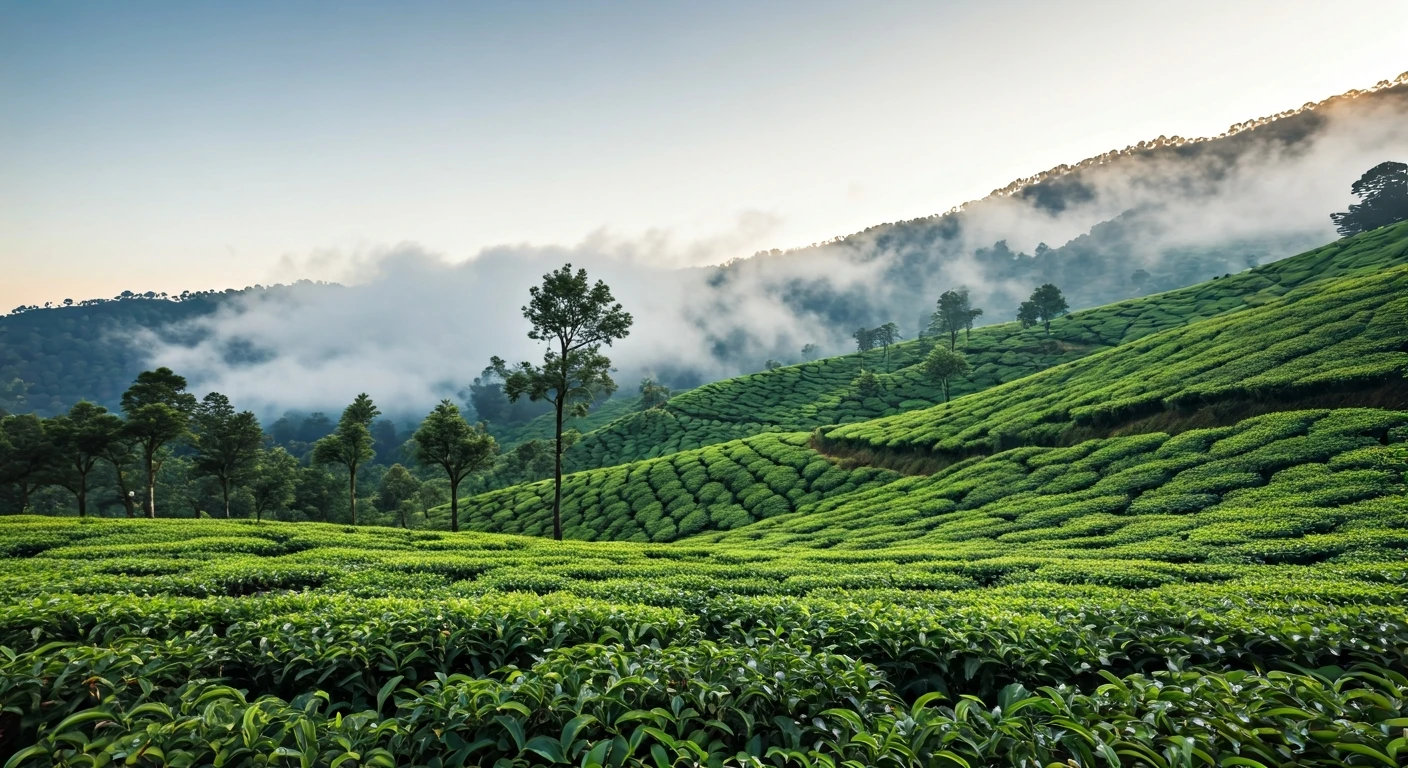
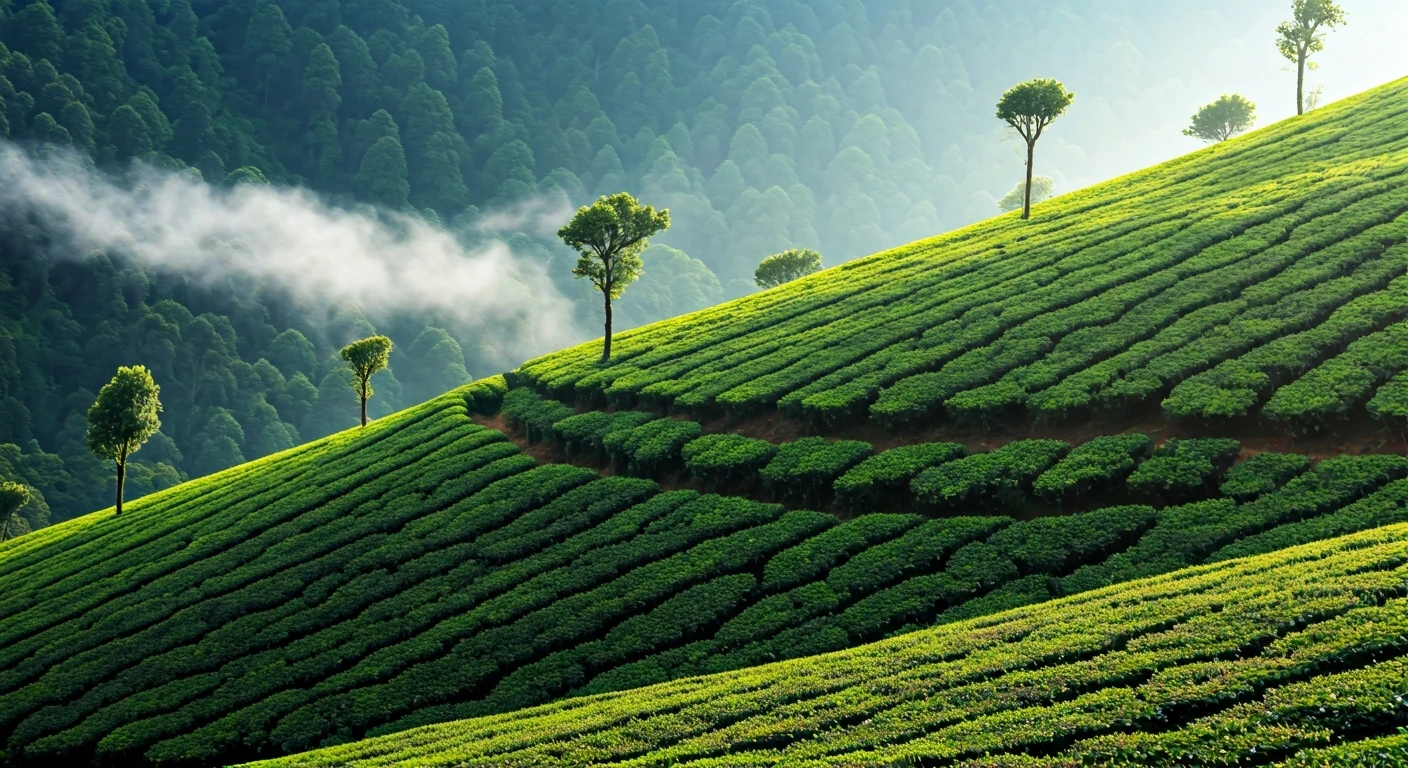
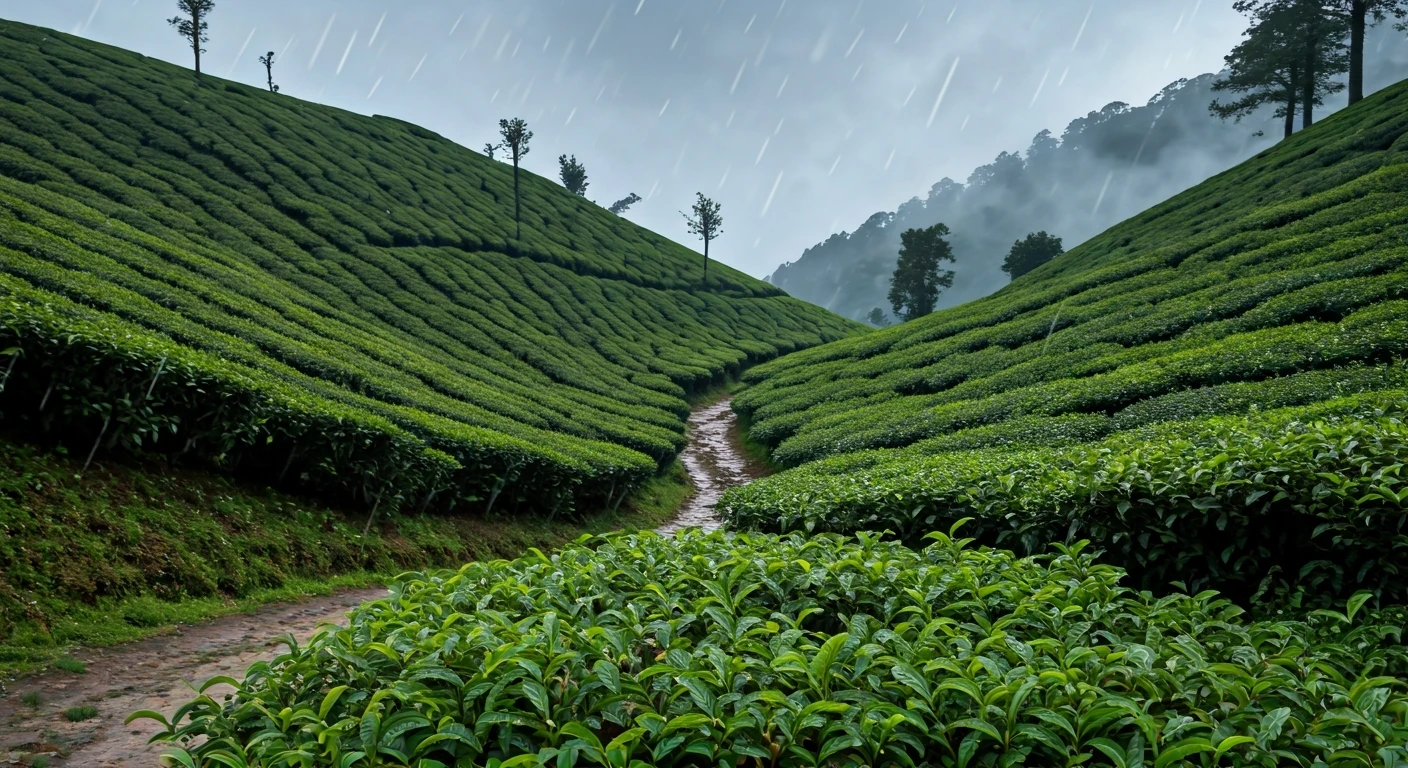
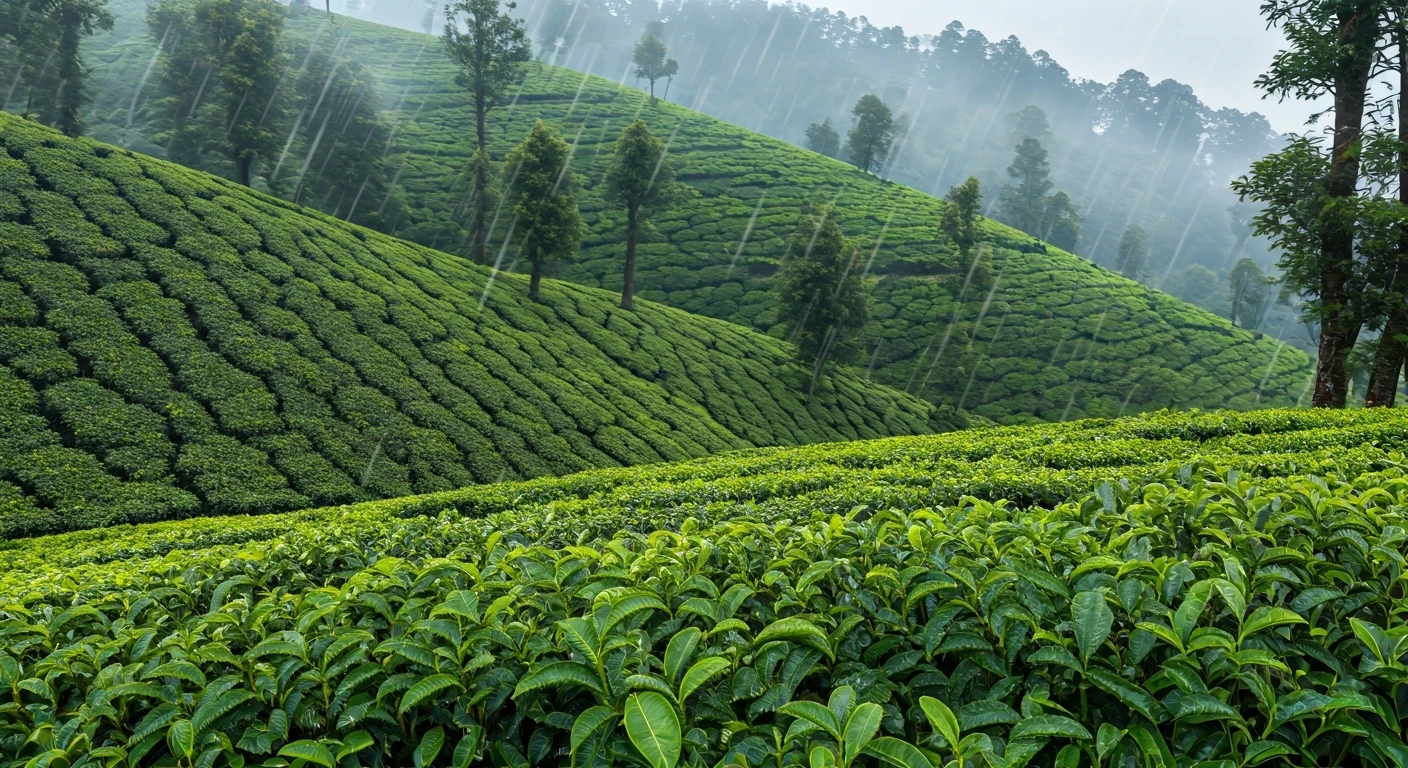
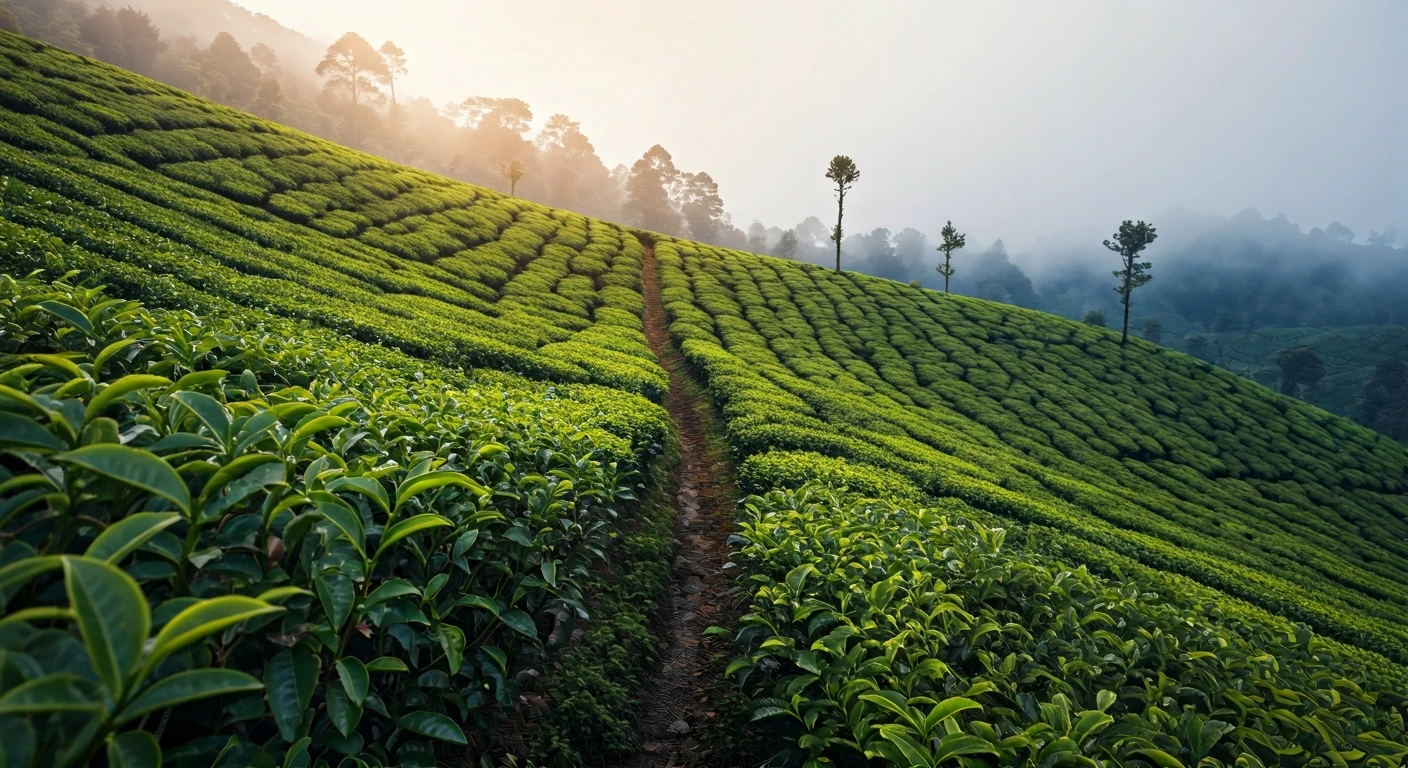
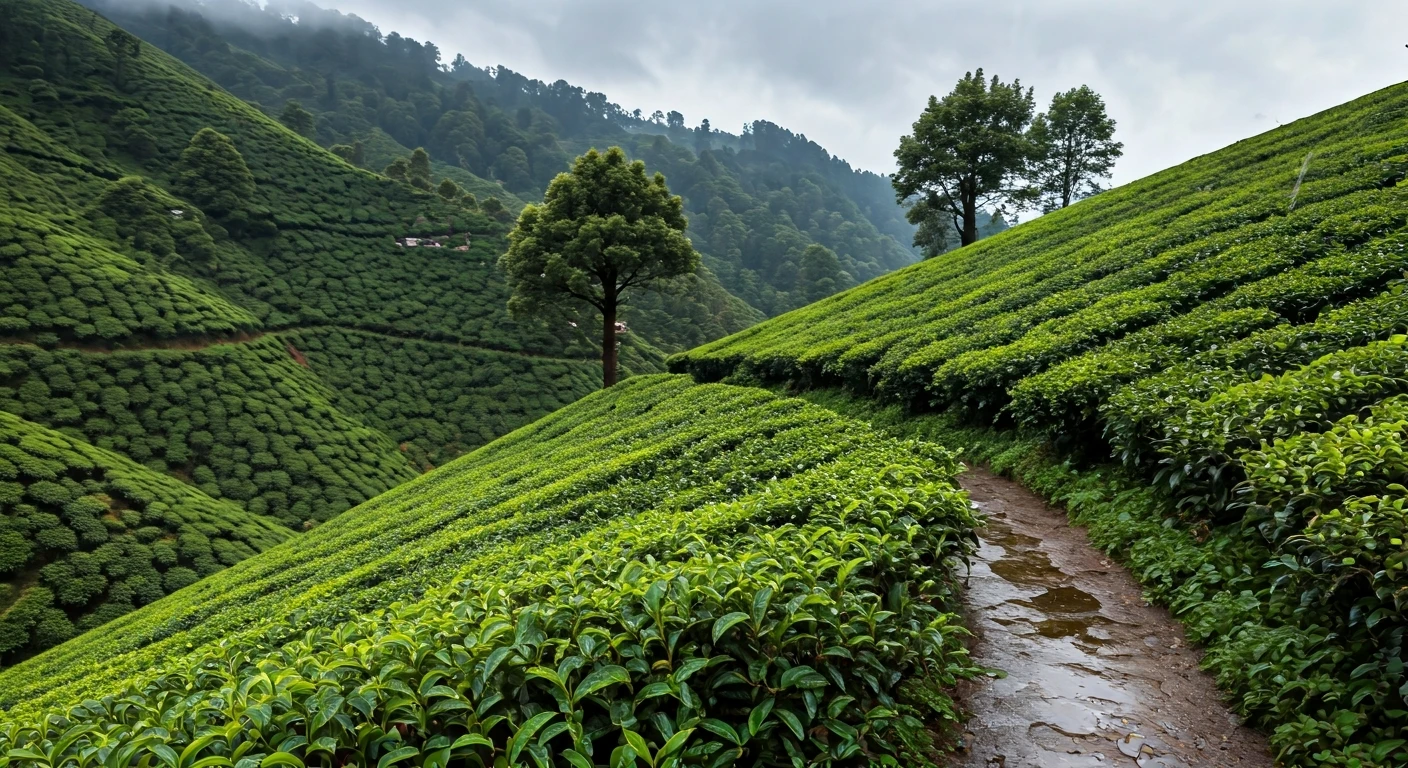
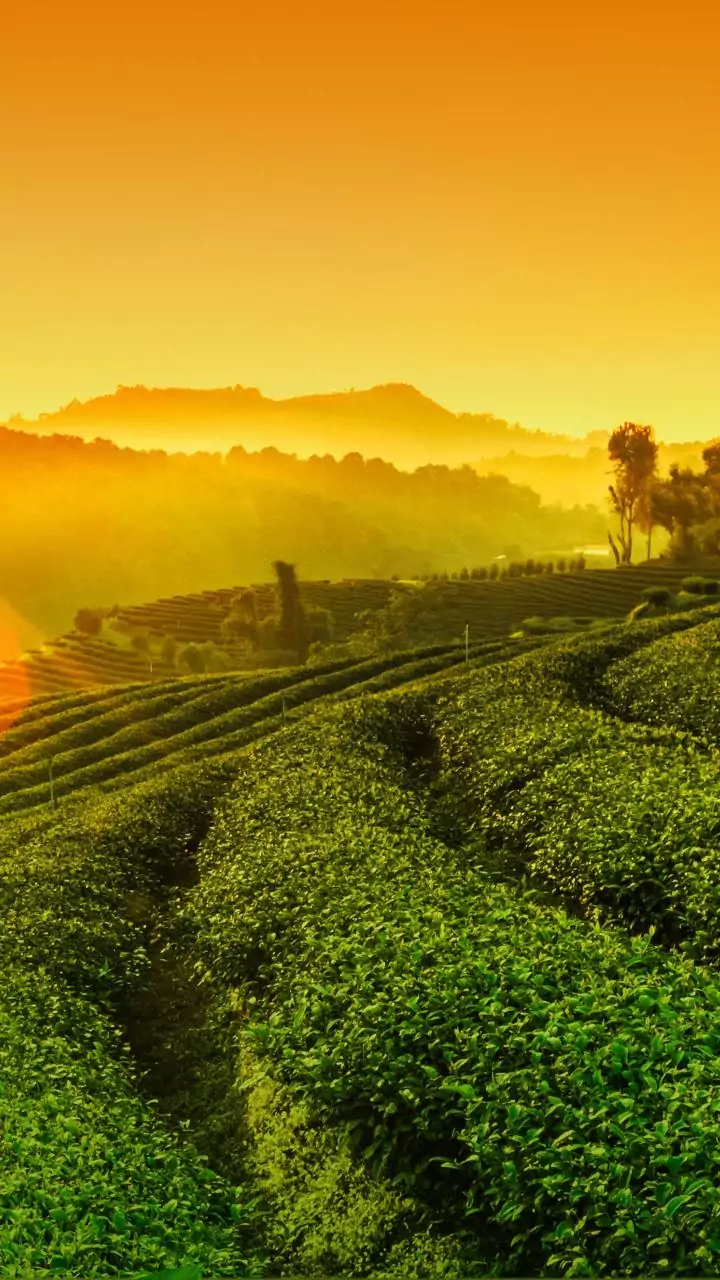
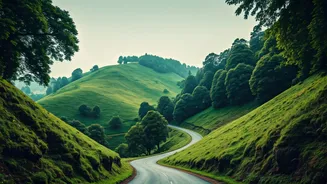
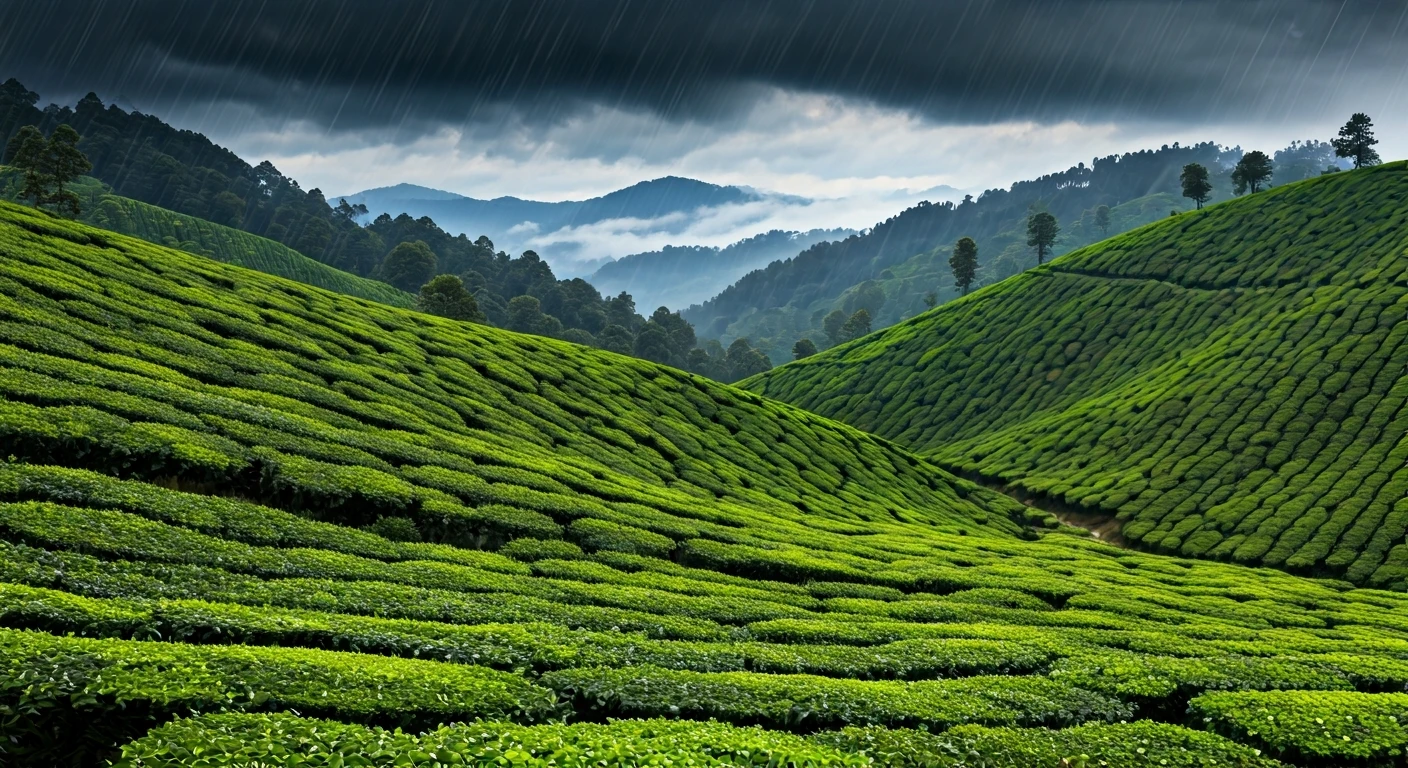
The most immediate and striking effect of the monsoon is the color. The rains transform the Himalayan foothills into an almost impossibly vibrant landscape. The terraced tea gardens, for which Darjeeling is world-famous, shrug off the dust of the dry season and blaze with a thousand shades of green. The air, thick with moisture, hangs heavy with the scent of wet earth and blooming flowers. Mist rolls through the valleys and winds around the colonial-era architecture, shrouding the town in a soft, ethereal light. What you lose in panoramic mountain views, you gain in a hyper-saturated, close-up world of breathtaking beauty. It’s a photographer’s dream, where every leaf glistens and the clouds become part of the town itself.
The Cozy Comfort of Cafe Culture
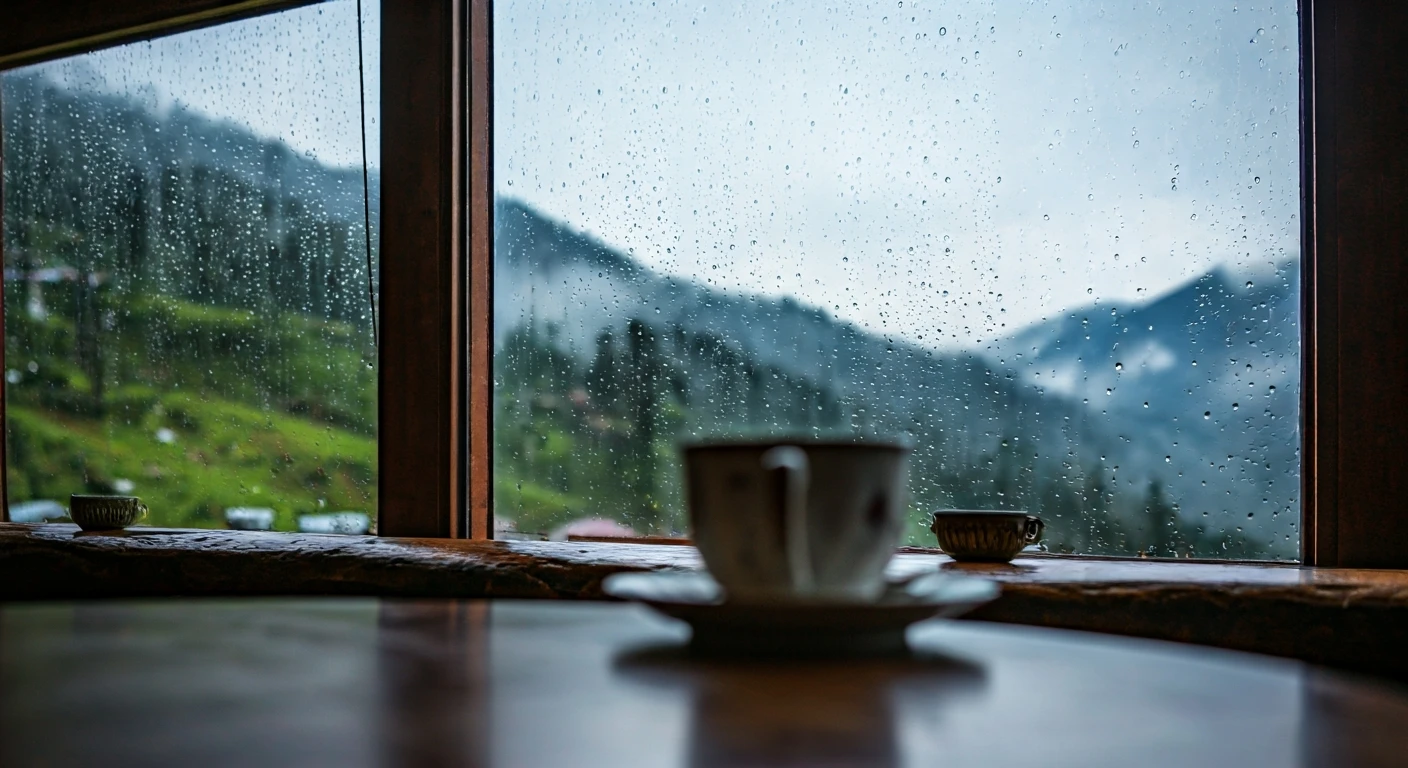
When the heavens open, Darjeeling’s legendary cafe culture truly comes alive. The town is dotted with charming, wood-paneled establishments that feel like they’ve been preserved from the British Raj. Finding refuge from a downpour in a place like Glenary's, with its large windows overlooking the misty valley, is an essential part of the monsoon experience. There’s a particular magic in sipping a cup of locally grown Darjeeling tea—the “champagne of teas”—while watching the rain streak down the glass. The rhythmic drumming on the roof becomes a soothing soundtrack. These cafes transform from quick pit-stops into cozy sanctuaries, where you can linger for hours with a book, a slice of cake, and the best hot beverage on the planet.
Fewer Crowds and a Slower Pace
One of the greatest luxuries of off-season travel is space. During the monsoon, the bustling Mall Road is quieter, the hotels are more affordable, and the entire town seems to exhale. You won't be jostling for a spot at a viewpoint or waiting in long lines. This slower pace allows for a more authentic connection with the place and its people. Shopkeepers have more time to chat, and you get a better sense of the town’s daily rhythm, away from the tourist rush. For those weary of over-tourism, Darjeeling in June offers a refreshing alternative—a chance to experience a world-famous destination as if it’s your own personal discovery.
A Mystical Ride on the Toy Train
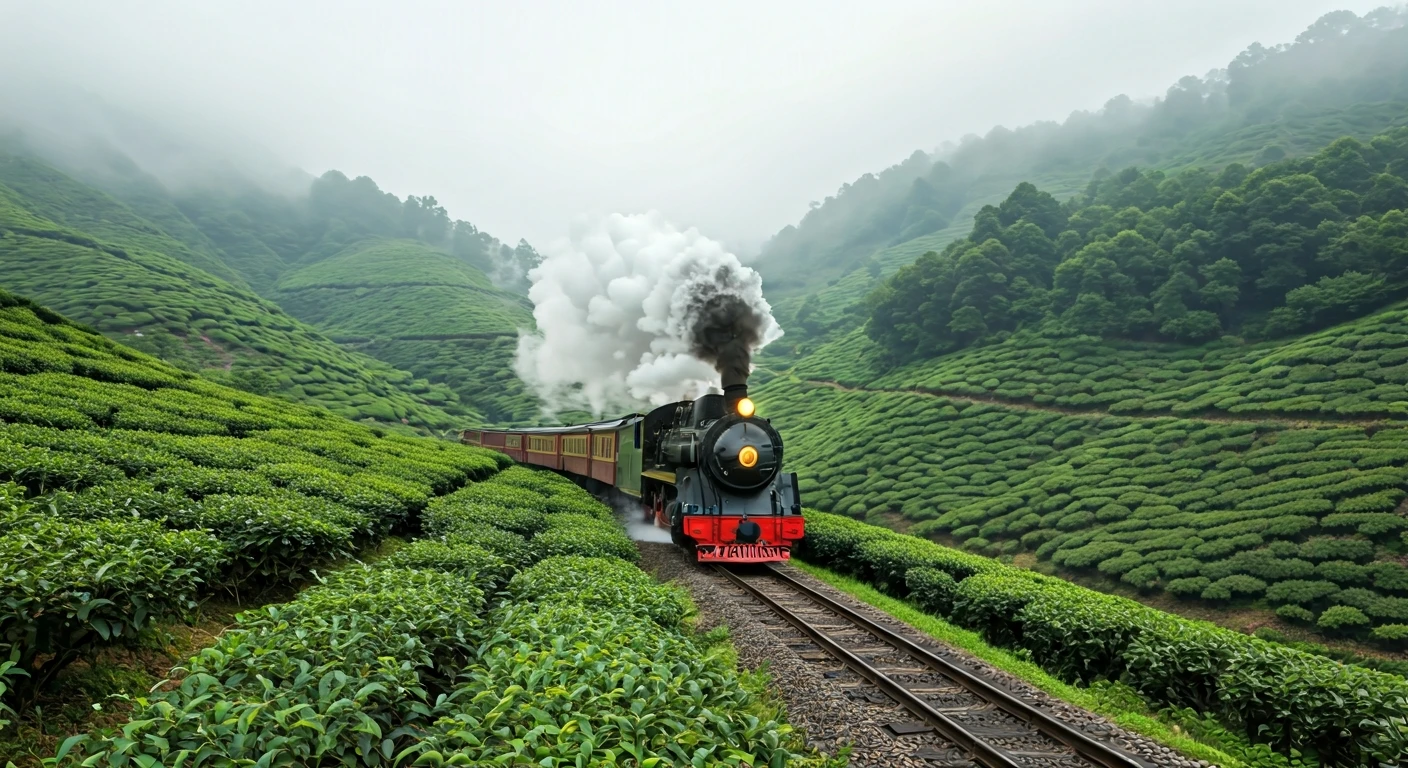
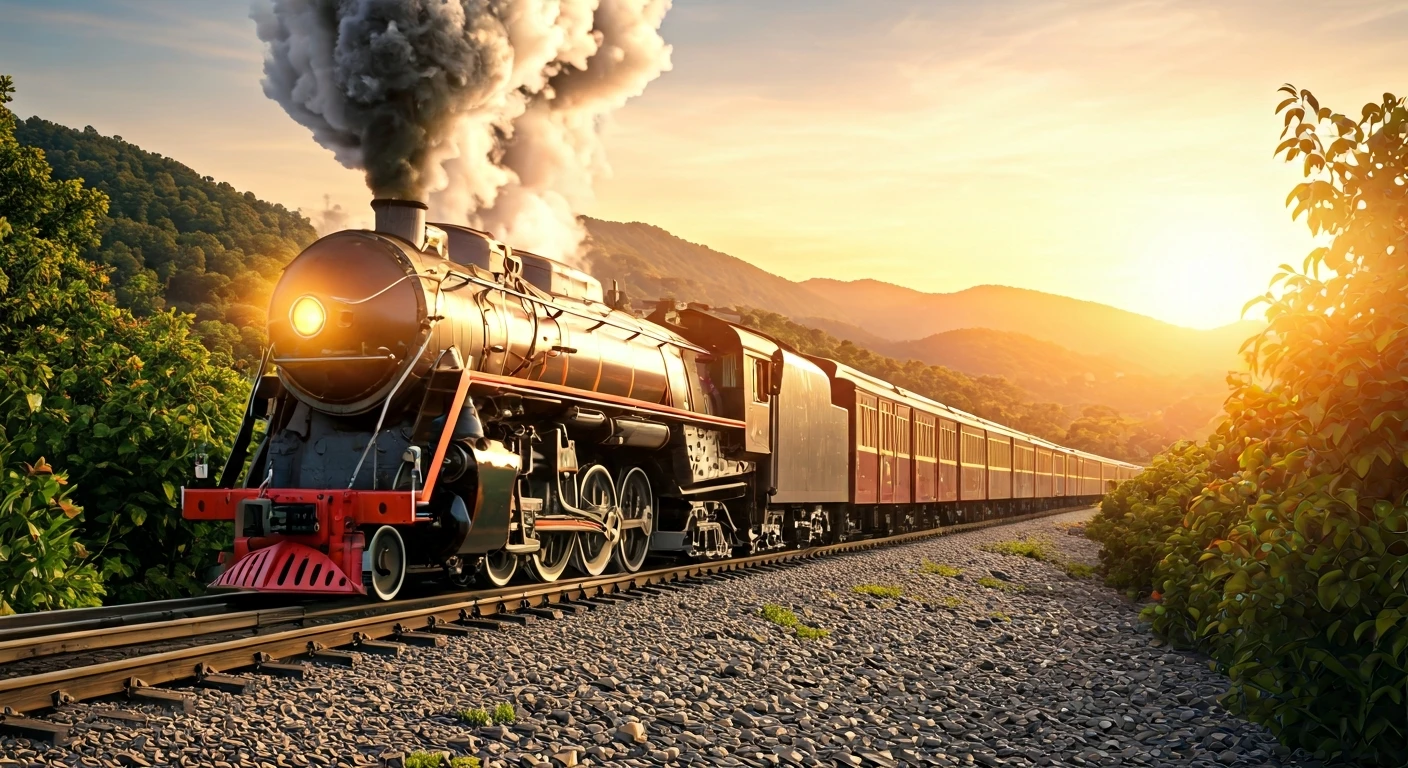
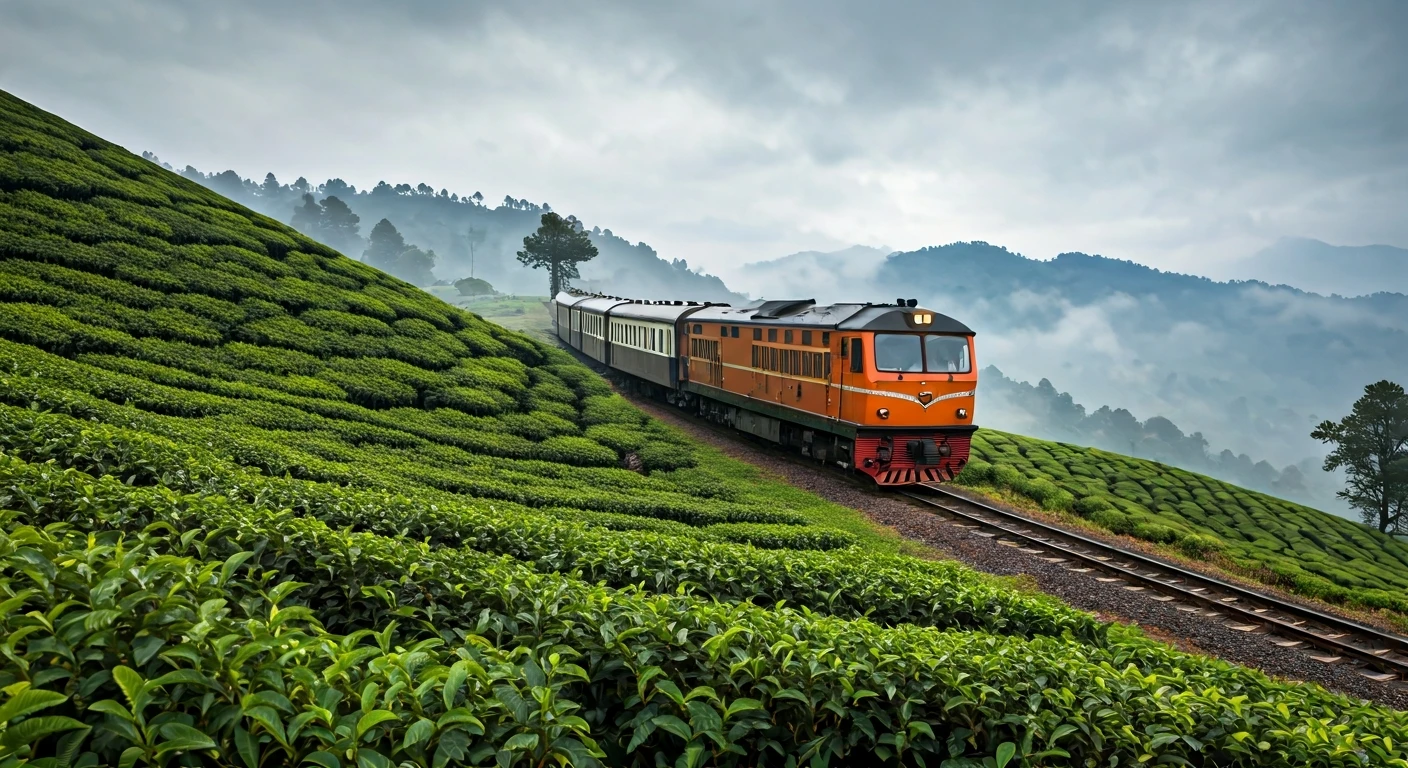
The Darjeeling Himalayan Railway, a UNESCO World Heritage Site, is an iconic attraction. But riding this narrow-gauge “Toy Train” during the monsoon is an entirely different adventure. The little blue steam engine chugs its way up the steep hills, not through clear mountain air, but through dense blankets of fog and cloud. The whistle echoes eerily through the mist-shrouded pine forests. At times, you can barely see a few feet ahead, giving the journey a mysterious, almost ghostly quality. Instead of gazing out at distant peaks, the focus shifts to the immediate, rain-drenched scenery just outside your window. It’s less of a sightseeing tour and more of a journey into the heart of the monsoon itself.