



The Gold Standard for Pet Safety
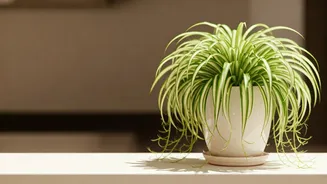
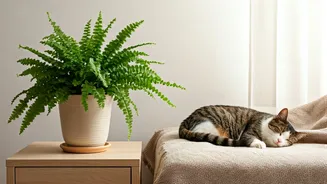
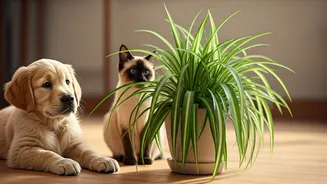
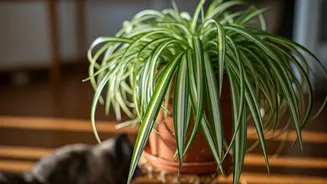
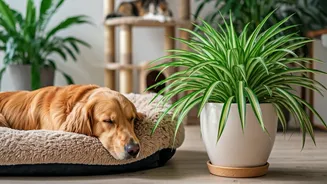
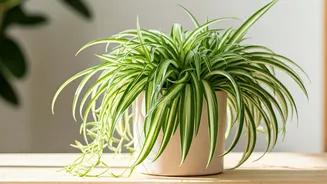
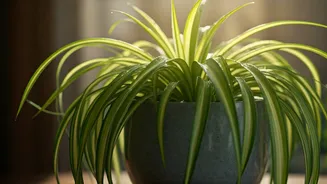
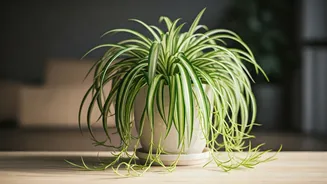
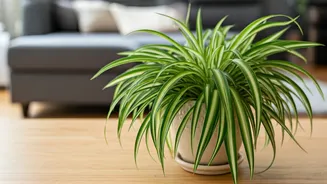
If you share your home with a four-legged friend, the spider plant (Chlorophytum comosum) should be at the top of your list. The American Society for the Prevention of Cruelty to Animals (ASPCA) officially lists it as non-toxic to both cats and dogs.
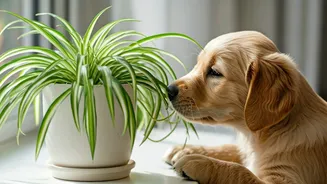
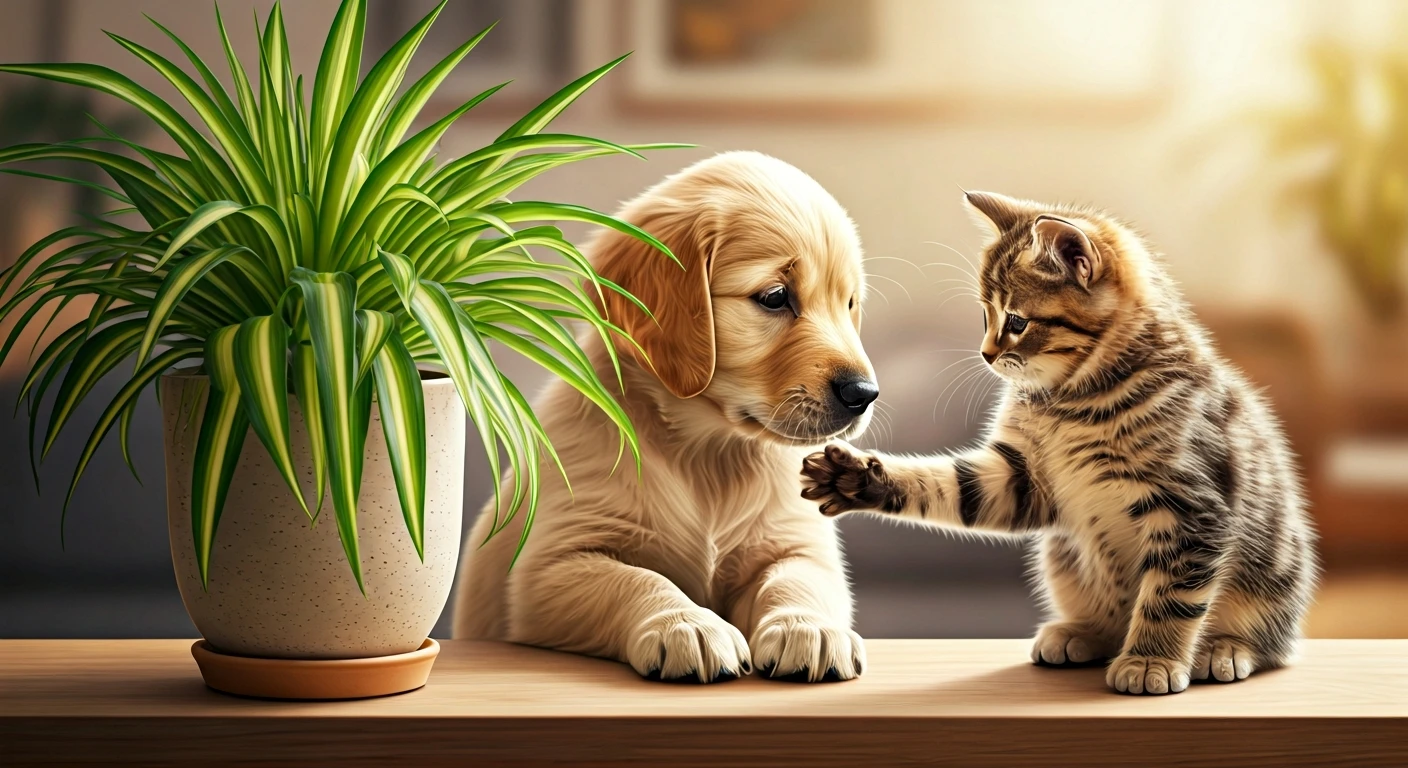
This designation is the gold standard for pet owners, providing peace of mind that a curious nibble won't result in a frantic, expensive trip to the emergency vet. Interestingly, cats are often drawn to the spider plant’s long, dangly leaves. Some theories suggest the plant has a mild, harmless hallucinogenic effect on felines, similar to catnip, though this is anecdotal. Even if your cat seems to be having a particularly good time batting at or chewing on a leaf, rest assured that the plant itself poses no toxic threat. At worst, overconsumption might lead to mild stomach upset, but it is not poisonous.
A Worry-Free Choice for Kids
The safety net extends to the two-legged members of your family as well. While you should always discourage children from eating houseplants, the spider plant is also considered non-toxic to humans. According to poison control experts, an accidental bite from a toddler exploring their environment is not a cause for panic. This makes it an ideal plant for family homes, playrooms, and even classrooms, where you want the benefits of greenery without adding another household hazard to your mental checklist. Its arching leaves are soft, lacking the sharp spines or irritating sap that can cause skin reactions in other popular houseplants.
A 'Safe Bet' for New Plant Parents
The spider plant’s reputation for safety extends beyond toxicity; it’s also incredibly safe from a common household killer: a neglectful owner. Often recommended as a “beginner plant,” it’s famously resilient and forgiving. Did you forget to water it for a week? Its vibrant green might fade slightly, but it will almost certainly bounce back after a good drink. Did you put it in a spot with less-than-ideal light? While it prefers bright, indirect sunlight, it can tolerate lower light conditions far better than more finicky flora. This hardiness makes it a “safe bet” for anyone who believes they have a “black thumb.” It thrives on a bit of benign neglect, making you look like a seasoned botanist with minimal effort.
The Air-Purifying Bonus
You've likely heard that spider plants are great at cleaning the air, a claim that stems from a famous 1989 NASA Clean Air Study. The study found that spider plants were effective at removing formaldehyde, xylene, and toluene from the air in a sealed chamber. This is true, but it requires context. To replicate those results in your home, you'd need an almost comical number of plants—several hundred in a single room—to significantly impact air quality. So, while your single spider plant isn’t a magical air purifier, it is still contributing in a small way. Think of it less as an industrial air scrubber and more as a small, green, and beautiful bonus to its other worry-free qualities.
The Plant That Keeps on Giving
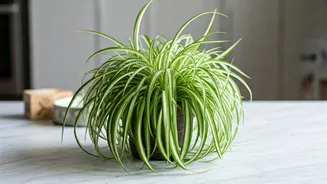
One of the most delightful features of a happy spider plant is its ability to self-propagate. Healthy, mature plants send out long stems called “runners,” which then produce tiny new plants at their ends, often called “spiderettes” or “pups.” These baby plants are essentially free clones of the parent. You can leave them attached for a full, cascading look, or you can snip them off, place them in water or soil, and grow entirely new plants. This makes the spider plant an endlessly renewable source of greenery for your own home or for sharing with friends. It’s a safe, easy, and satisfying way to expand your plant collection without spending a dime.