



The Island That Breathes
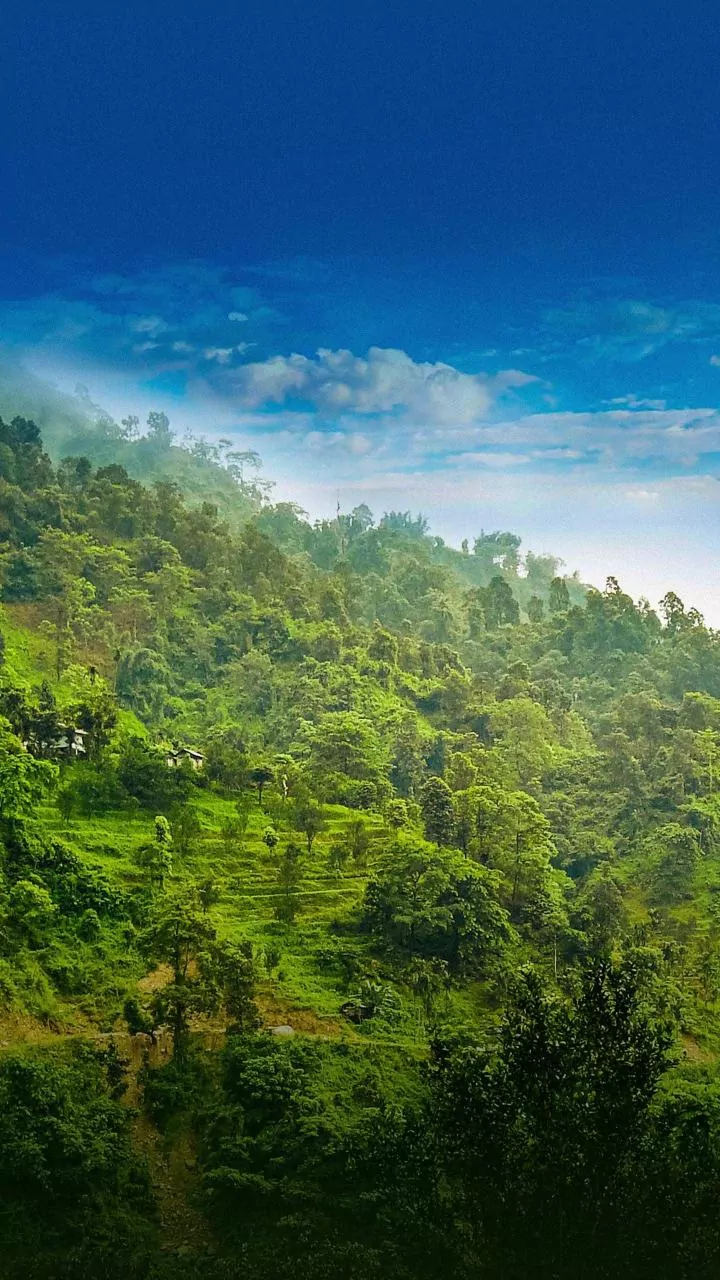
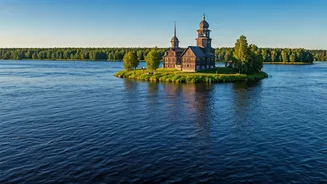
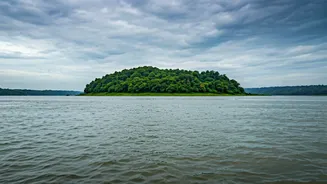
Majuli isn’t just an island; it’s a geographical marvel and a cultural treasure chest. Cradled by the mighty Brahmaputra River in the state of Assam, it’s one of the world's largest river islands, a landscape of shimmering rice paddies, water meadows,
and villages built on stilts. Getting here requires a ferry journey, a physical and metaphorical transition away from the mainland's hustle. But this unique environment is also fragile. The same river that created Majuli now threatens it, with constant erosion shrinking its landmass year after year. This precariousness adds a layer of urgency to any visit, making the experience of its enduring culture all the more profound.
A Living Monastery Culture
The heart and soul of Majuli are its *Sattras*. These are not monasteries in the silent, cloistered sense you might imagine. Founded in the 15th century by the Vaishnavite saint and cultural reformer Srimanta Sankardeva, Sattras are unique monastic centers for Assamese Neo-Vaishnavism. More than just places of worship, they are vibrant cultural institutions dedicated to preserving and propagating a holistic way of life through music (*borgeet*), dance (*Sattriya*), and theater (*Bhaona*). Young boys enter the Sattras as novices (*bhakats*) to dedicate their lives to this artistic and spiritual tradition, ensuring these ancient practices are passed down through generations. Visiting a Sattra isn’t like going to a museum; it’s like stepping into a living, breathing history book.
The Art of the Mask-Makers
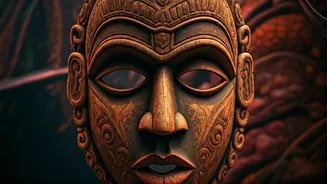
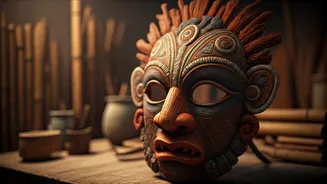
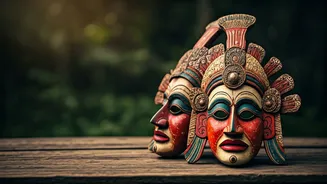
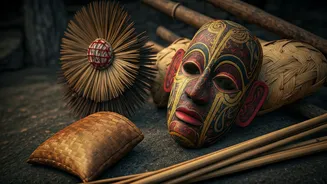
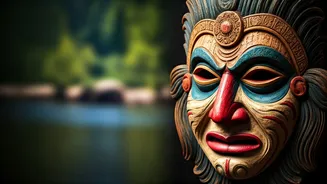
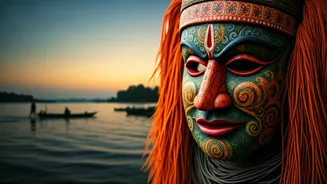
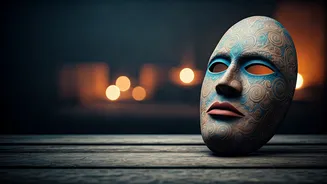
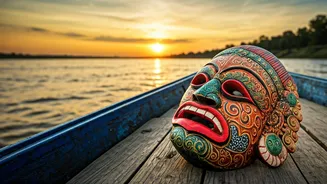
Nowhere is the island's artistic spirit more tangible than at the Samaguri Sattra. This monastery is globally renowned for its tradition of *mukha bnaoi*, or mask-making. These are not simple decorative items. Crafted from bamboo, clay, cloth, and natural dyes, the masks are elaborate, character-driven creations depicting gods, goddesses, demons, and animals from Hindu epics. The masks, some of which are enormous body-sized contraptions, are central to the *Bhaona* performances, allowing a single actor to embody a powerful mythological figure. Watching a master craftsman like Dr. Hem Chandra Goswami at work, you’ll see how a simple bamboo frame slowly gains a soul, its expression shifting from inert material to a vessel of divine or demonic energy.
Dance of the Divine
If Samaguri is the home of dramatic masks, other Sattras like Uttar Kamalabari are the hallowed grounds of *Sattriya Nritya*. Once performed only by male monks within the monastery walls, Sattriya is now recognized as one of India's eight classical dance forms. It is a stunningly graceful and deeply spiritual art. The movements tell stories from sacred texts, blending devotion with intricate footwork, expressive hand gestures (*mudras*), and fluid, flowing grace. Witnessing a performance, or even the daily practice of young monks, is a mesmerizing experience. The rhythmic beat of the drum (*khol*) and the chime of cymbals (*taal*) become the soundtrack of the island, a constant reminder that here, art is a form of prayer.
How to Experience the 'Programs'
The phrase "art programs" on Majuli doesn't refer to formal, scheduled classes for tourists. Instead, it’s about immersive, respectful observation. The 'program' is the daily life of the Sattras. You can visit the workshops to see masks being made, sit in on a dance rehearsal, or watch the monks during their evening prayers. The experience is about bearing witness, not participating as a student. The best way to engage is by hiring a local guide who understands the etiquette of the Sattras and can translate for you. By visiting respectfully, observing the artists, and perhaps purchasing a small, non-sacred craft, you become a patron in the old-fashioned sense, providing vital support that helps keep this unique cultural ecosystem alive.