





The Dry Spell of the Valley
To be in a valley is to feel stuck. It’s the period after a layoff when the job applications go unanswered. It’s the quiet ache of a friendship that has faded or the slow, grinding exhaustion of caring for a loved one. In these moments, the landscape
of our lives seems barren and static. The path that led us down here is forgotten, and any potential way out seems impossibly steep. The air is thin with hope. Our perspective narrows to the dusty ground at our feet, and the defining feature of the valley is its lack of promise. We measure time in the things that don't happen: the phone that doesn't ring, the apology that never comes, the breakthrough that remains just out of reach. This is the dry season of the soul, where we can't imagine green shoots or flowing water. The valley, in this state, is simply a place of deficit.
What the Rain Really Is
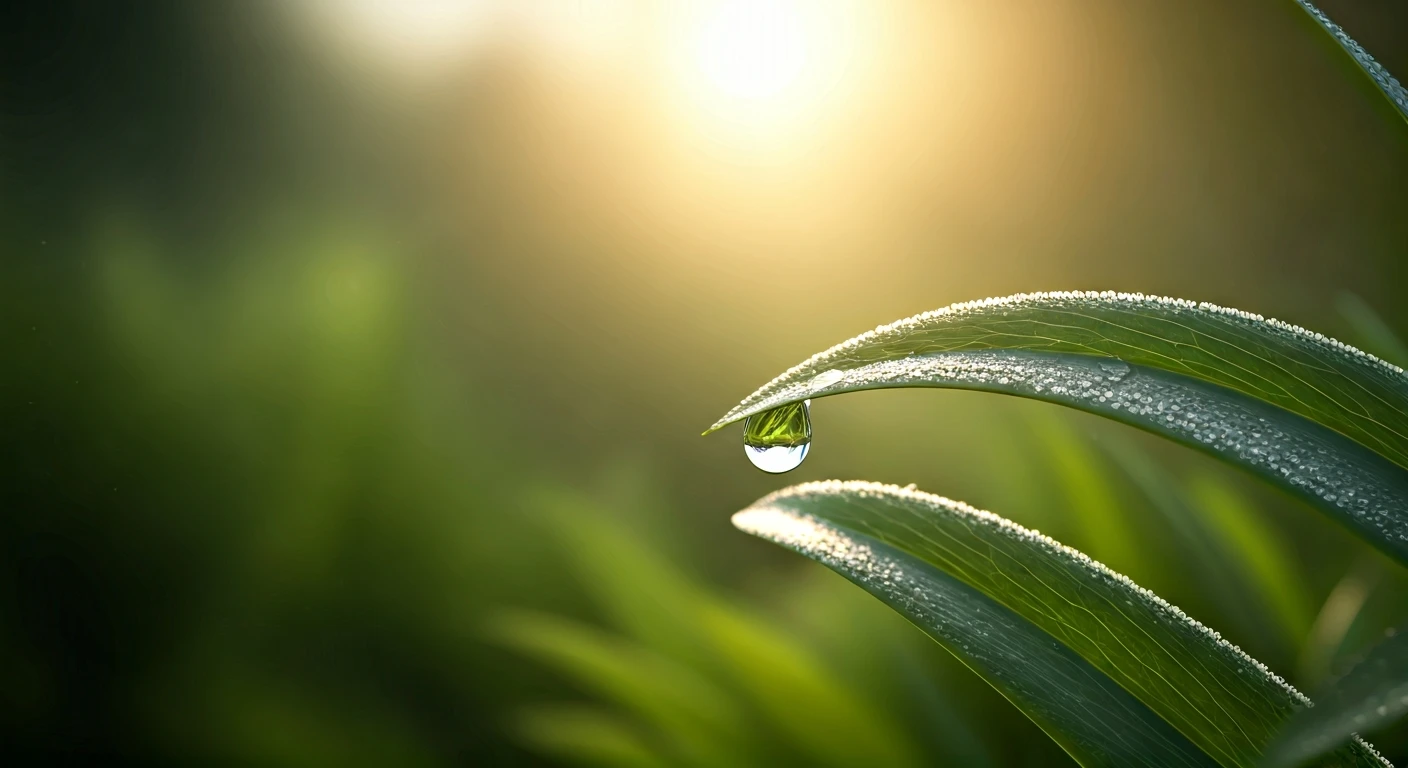
Then, the rains arrive. It’s tempting to think of the rain as a sudden, dramatic rescue—a lottery win, an instant cure, a perfect new partner who solves everything. But more often, the rain isn’t a single event. It’s a process. It might be the slow return of self-confidence, the first real conversation with a therapist, or the quiet decision to forgive someone, including yourself. The rain can be the cumulative effect of small, consistent efforts: going for a walk, reconnecting with an old hobby, or finally accepting a helping hand. It’s the shift in perspective that allows you to see a problem not as a wall, but as a challenge to be navigated. This 'rain' isn’t about erasing the valley or pretending the hardship didn't happen. It’s the arrival of a new element—be it grace, time, effort, or support—that begins to interact with the existing landscape.
A New Landscape Emerges
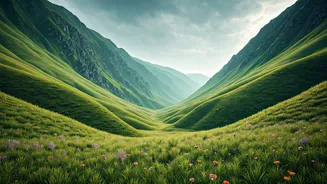
This is the heart of the matter: the rain doesn’t just end the drought; it transforms the valley itself. The very ground that felt so barren and hostile is now softened, ready for new growth. Suddenly, the slopes that seemed like prison walls become sources of life, channeling water to where it's needed most. Wildflowers you never knew were dormant begin to sprout. This is the psychological phenomenon of post-traumatic growth. The experience of the valley, once seen only as a source of pain, is re-contextualized. You develop a deeper empathy for others who are in their own low points. You discover a resilience you never knew you possessed. The priorities that were scrambled by a life of ease become crystal clear. The valley, viewed in retrospect from the other side, is no longer just a scar on your life’s map. It’s the fertile ground where your strongest, most beautiful qualities took root. It becomes a part of your story that you wouldn't trade, because it made you who you are.
Finding Shelter While You Wait
Of course, this perspective is easier to appreciate once the sun is out. When you’re still in the valley, and the sky is a vast, empty blue, being told to wait for rain can feel like a cruel joke. The key is not to force yourself to see flowers where there is only dust. Instead, it’s about nurturing a quiet faith in the 'weather cycle' of life. It’s about remembering that no season is permanent. This isn't about toxic positivity, but about patient endurance. It means focusing on the smallest possible actions: taking one step, making one call, reading one page. It's about finding 'shelter' in the form of trusted friends, small routines, or stories of others who have found their way out of similar valleys. The work in the valley is to survive the dry spell without losing the capacity to believe in the possibility of rain.