





The Desert State’s Green Anomaly
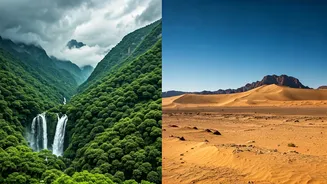
Welcome to Mount Abu, the only hill station in the vast, arid state of Rajasthan. Tucked away in the Aravalli Range, this destination feels like a geographical glitch—in the best way possible. While the rest of the state swelters, Mount Abu offers a refreshing
reprieve, with average summer temperatures that are blissfully moderate. Rising to an elevation of 4,003 feet, its climate and landscape are a world away from the desert plains below. The drive up is part of the experience, as the dusty brown terrain slowly gives way to lush forests of pine, eucalyptus, and flowering trees. For American travelers building a classic Rajasthan itinerary through Jaipur, Udaipur, and Jodhpur, Mount Abu serves as the perfect, unexpected interlude—a place to trade the heat for a cool breeze and a different perspective on this iconic region of India.
A Lake in the Mountains
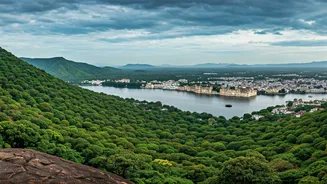
At the heart of Mount Abu lies Nakki Lake, a serene body of water steeped in local legend. According to mythology, it was clawed out by the gods, leaving behind a tranquil oasis that is now the town's social center. The lake is surrounded by hills, parks, and curious rock formations, including one that looks strikingly like a toad about to leap into the water. The most popular activity here is simple: rent a paddleboat and spend an hour drifting on the cool, calm surface. It’s a low-key, almost meditative experience, especially in the late afternoon as the sun begins to set behind the hills. The path around the lake is perfect for a leisurely stroll, lined with street food vendors, small shops, and ice cream parlors. It's the kind of charming, slightly old-fashioned atmosphere that defines hill stations across India, offering a peaceful counterpoint to the intensity of the country's major cities.
The World-Class Marvels of Dilwara
While the cool climate is the initial draw, the true crown jewel of Mount Abu is the Dilwara Temples. Don’t let the modest exterior fool you; what lies within is one of the most breathtaking examples of architectural artistry on the planet. This complex of five Jain temples, built between the 11th and 13th centuries, is constructed entirely of white marble. The intricacy of the carvings is almost beyond belief. Every ceiling, pillar, and doorway is covered in elaborate patterns of lotus flowers, celestial figures, and geometric designs, so finely detailed that the marble appears almost translucent. The level of craftsmanship rivals that of the Taj Mahal, yet these temples remain a relatively hidden gem for many international visitors. Visiting Dilwara is a humbling experience, a testament to centuries of devotion and skill that stands in stark, beautiful contrast to the rugged natural landscape outside.
Beyond the Main Attractions
Mount Abu isn't just about temples and lakes. For those seeking a bit of elevation, a trip to Guru Shikhar is a must. As the highest point in the Aravalli Range, it offers panoramic views of the entire region. The peak is home to a small temple and offers a sense of accomplishment after the winding drive or hike up. The Mount Abu Wildlife Sanctuary provides another angle on the area's unique ecology, protecting a forested region that is home to animals like sloth bears, sambar deer, and a rich variety of birdlife. Evenings are best spent at Sunset Point, a popular vantage point where crowds gather to watch the sun dip below the horizon, painting the sky in fiery colors. It’s a classic hill station ritual that perfectly captures the relaxed, communal vibe of the town.