

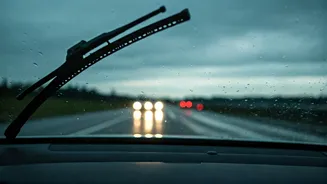



Ignoring Your Follow Distance
On a dry road, the “three-second rule” is a reliable guideline for maintaining a safe distance from the car ahead. In the rain, that rule is woefully inadequate. Water on the road surface drastically reduces the friction between your tires and the asphalt,
meaning your braking distance can easily double or even triple. Tailgating in the rain is an open invitation for a rear-end collision. Your reaction time may be the same, but your car’s ability to respond is severely compromised. A better rule of thumb for wet conditions is to aim for a five- or six-second gap. This gives you the crucial time and space needed to react to sudden stops without turning a minor event into a major accident.
Using Cruise Control
Cruise control is a fantastic tool for long, dry highway stretches. In the rain, it’s a hazard. The system is designed to maintain a constant speed, and it can’t detect when your car begins to hydroplane—the terrifying moment when your tires lose contact with the road and skim across a layer of water. If you hydroplane while cruise control is engaged, the system will continue trying to maintain speed, potentially causing the wheels to spin faster. When your tires finally regain traction, it can result in a sudden, violent lurch or spin, causing you to lose control completely. Driving in the rain requires constant, subtle adjustments to your speed, a task that should always be left to your foot, not a machine.
Driving Too Fast for Conditions
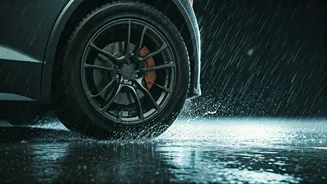
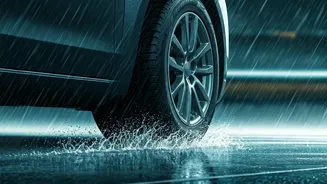
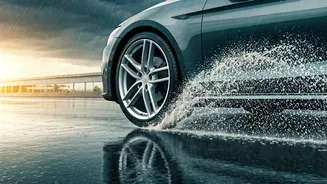
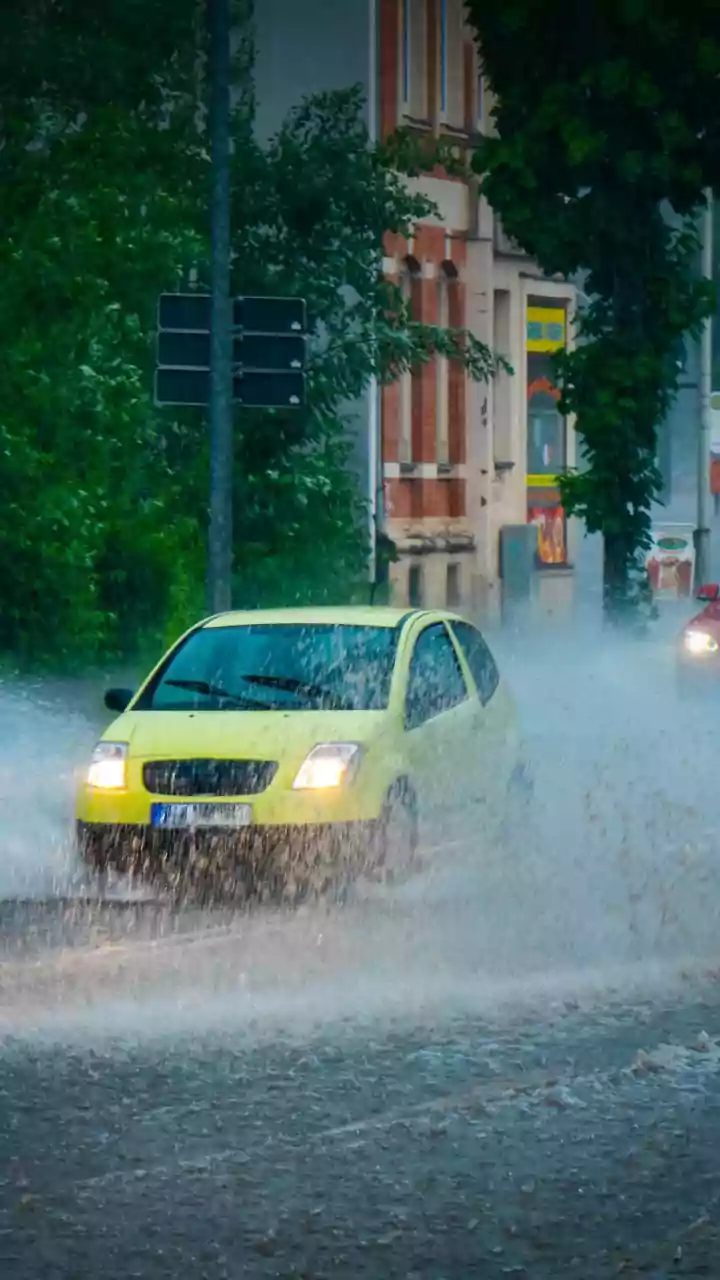
The posted speed limit is for ideal conditions, not a torrential downpour. The single biggest factor in hydroplaning is speed. At speeds as low as 35 mph, your tires can struggle to channel away enough water to maintain contact with the pavement. As you go faster, the risk increases exponentially. Water creates a wedge in front of your tires, and if you’re moving too quickly, the tire can’t displace it and instead lifts off the ground. Reducing your speed by 10 to 15 mph (or more in heavy rain) is not just being overly cautious; it’s a direct response to the physics of the situation. Slowing down allows your tire treads to do their job, keeping you connected to the road and in control of your vehicle.
Forgetting About Visibility—Yours and Theirs
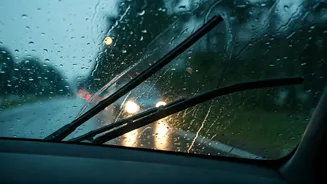
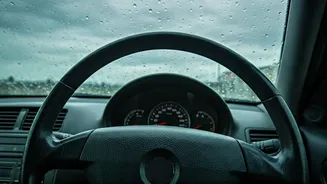
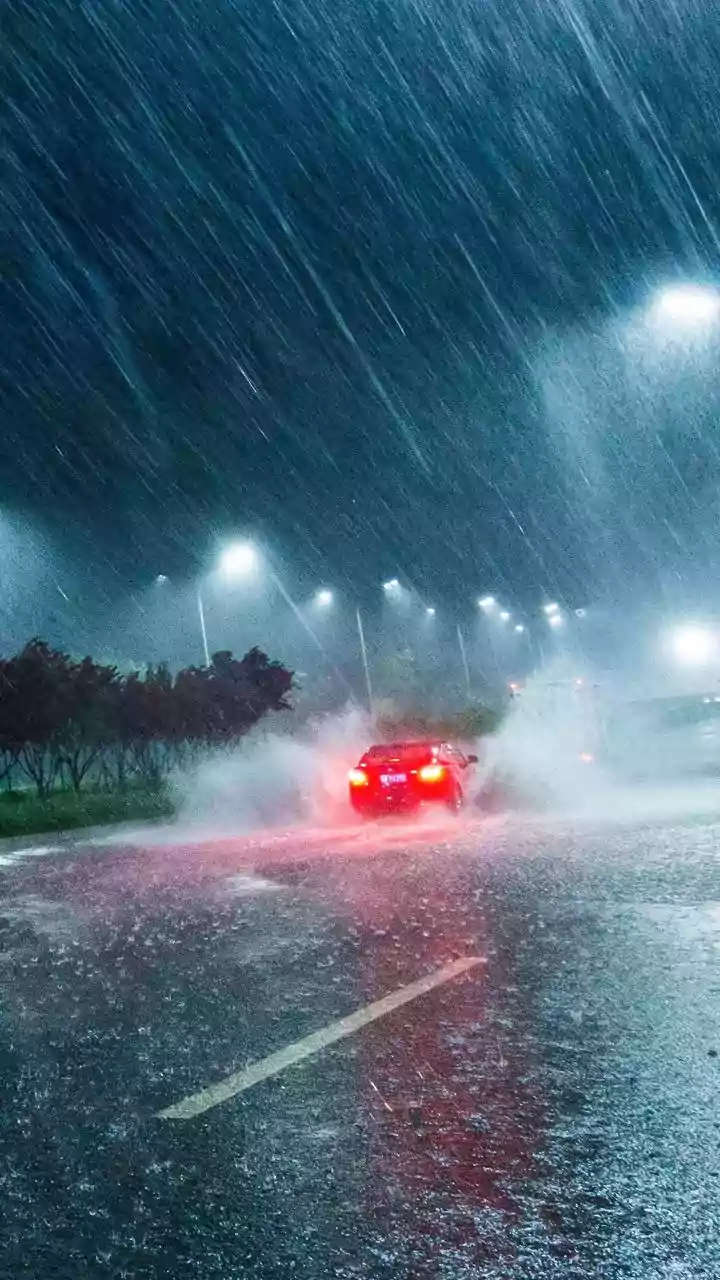
Rainy weather isn't just about what you can see; it's about whether others can see you. Many drivers remember to turn on their wipers but forget their headlights. In many states, it’s the law to have your headlights on whenever your wipers are in use. This isn't just for illuminating the road ahead—it’s about making your vehicle visible to other drivers through the spray and gloom. A gray car on a gray, rainy day can become nearly invisible without its lights on. Furthermore, your own visibility is compromised by fogged-up windows. Use your car’s defrost and air conditioning settings to keep the inside of your windshield clear. A clear view is your first line of defense.
Overcorrecting During a Skid
Losing traction is scary, and the natural human instinct is to panic—slamming on the brakes and wrenching the steering wheel in the opposite direction of the skid. Both of these actions are the worst things you can do. Slamming the brakes can lock the wheels, making the skid even worse. Jerking the wheel can send you into an uncontrollable spin. The correct, albeit counterintuitive, response is to remain calm. Ease your foot off the accelerator and gently steer *in the direction you want the front of the car to go* (often called “steering into the skid”). This helps the tires regain traction and allows you to straighten out the vehicle. Practice this mentally so that if it ever happens, your response is measured instead of panicked.