



The New American Dreamscape
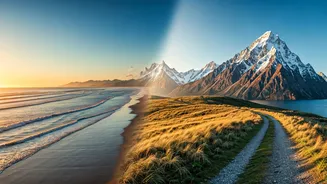
For generations, the ultimate symbol of success was a home with an ocean view. From the Hamptons to Malibu, coastal real estate was the pinnacle of aspiration. But the magnetic pull of the coastline is weakening. In its place, a new geography of desire
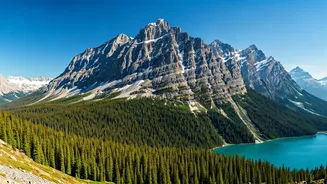
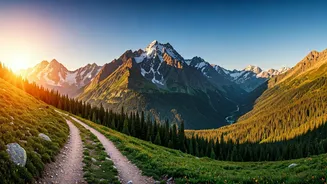
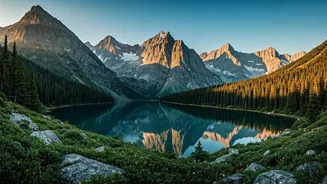
is emerging, centered on the mountains of the West and Appalachia. States like Montana, Idaho, Utah, and Colorado, along with pockets of North Carolina and Tennessee, are experiencing an influx of new residents. These aren't just seasonal tourists; they are professionals, families, and retirees making a permanent or semi-permanent move. The phenomenon has given rise to the 'Zoom town'—once-sleepy mountain communities now buzzing with the energy of remote workers who brought their big-city salaries with them. Places like Bozeman, Montana, and Boise, Idaho, have become emblems of this shift, transforming from quiet outposts into bustling hubs of the new American West.
Driven by Dollars and Desks
The primary engine of this migration is a powerful combination of economics and technology. For many, the coastal dream has become financially impossible. Sky-high housing prices in cities like San Francisco, Los Angeles, New York, and Miami have pushed homeownership out of reach for all but the wealthiest. A modest home in a trendy mountain town, while increasingly expensive, can still seem like a bargain compared to a tiny condo in a coastal metropolis. The COVID-19 pandemic acted as a massive accelerant. Suddenly, millions of white-collar workers were untethered from their physical offices. The rise of remote work meant you could keep your Bay Area tech salary or New York finance job while living somewhere with fresh air, lower taxes, and a mortgage that didn't consume half your income. This geographic arbitrage—earning in a high-wage market while living in a lower-cost one—has fundamentally rewired the map of economic opportunity in the United States.
A Cooler, Quieter Alternative
Beyond the financial calculus, the beach-to-mountain shift reflects a deeper change in cultural values. The move is often framed as a search for a better quality of life. Instead of crowded beaches and traffic-choked highways, new residents are drawn by the promise of open space and immediate access to nature. The lifestyle ideal is no longer a cocktail by the pool but a hike on a trail, a day on the ski slopes, or fishing in a clear river. This shift also has a subtle but growing climate change component. As coastal communities grapple with the realities of rising sea levels, intensifying hurricanes, and soaring insurance costs, the perceived stability of higher, inland ground becomes more appealing. For some, moving to the mountains is a preemptive retreat from the front lines of the climate crisis, trading the threat of future floods for the more manageable challenges of winter snow.
The Growing Pains of Paradise
This wave of migration is not without consequence. The very things that make mountain towns attractive are now under threat from their newfound popularity. The influx of affluent remote workers is causing housing prices to skyrocket, creating an affordability crisis for long-time residents, including essential workers like teachers, firefighters, and service industry staff. The cultural fabric of these towns is also being stretched thin, with tensions emerging between the 'old-timers' and the 'newcomers.' Local infrastructure, from roads to schools to wastewater systems, is often unprepared for the rapid population growth. What begins as a personal solution for a relocating family can become a community-wide problem. The mountain paradise is discovering that it cannot escape the economic pressures of modern America; in many ways, the problems of the coast are simply being imported inland, creating a new set of challenges for these once-quiet communities.