

The Elevation of the Everyday
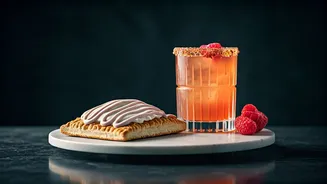
It starts with a feeling of déjà vu. On a minimalist menu, nestled between the single-origin pour-over and the avocado toast, is a dish you know from a different life. Maybe it’s a gourmet version of a Pop-Tart, filled with house-made rhubarb jam and drizzled
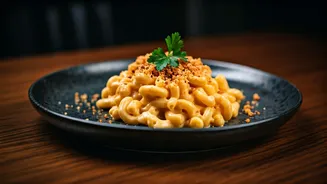
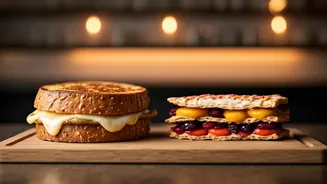
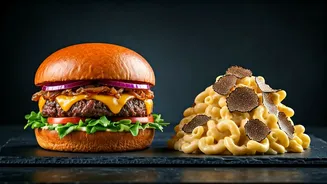
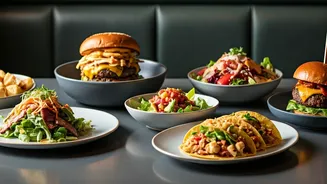
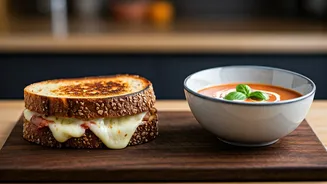
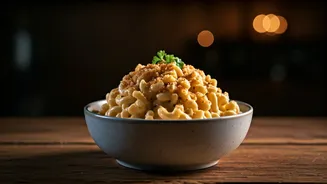
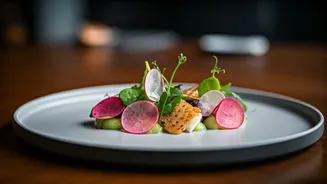
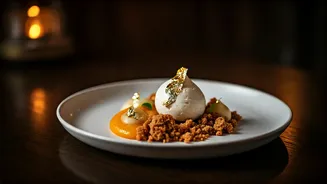
with a lavender glaze. Or perhaps it’s a bowl of “elevated” mac and cheese, featuring four imported cheeses, truffle oil, and a panko crust. This is the new playbook for the American café: take a food rooted in simplicity, nostalgia, and local comfort, and transform it into a premium, photogenic, and marketable experience. The humble tuna melt is reborn with pole-caught albacore and artisanal sourdough; the simple scone is now a matcha-and-black-sesame masterpiece. The comfort is still the hook, but the execution is pure 21st-century trend.
Cashing In on the Comfort Economy
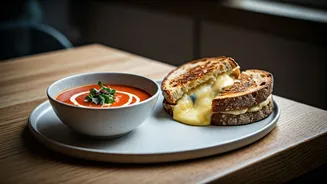
So, why is your corner coffee shop suddenly charging $12 for a fancy grilled cheese? The answer lies in the powerful currency of nostalgia. For many Millennials and older Gen Z, who now represent a key café demographic, these foods are emotionally charged. They evoke memories of after-school snacks, family road trips, or school cafeteria lunches—simpler times, real or imagined. Café owners and chefs are savvy to this. They understand that selling a feeling is often more effective than just selling a food item. By taking a familiar, beloved concept and upgrading its components—using organic flour, farm-fresh eggs, or ethically sourced chocolate—they create a product that feels both comforting and virtuous. It allows customers to indulge in a childhood favorite without feeling like they’re just eating junk food. It’s a guilt-free regression, packaged for an adult palate and an Instagram feed.
The Anatomy of a Glow-Up
Let’s deconstruct the process. Take the classic oatmeal crème pie, a lunchbox staple for generations. In its original form, it’s a soft, slightly-too-sweet sandwich of two oatmeal cookies and a sugary crème filling, wrapped in cellophane. In the hands of a trend-focused café, it becomes something else entirely. The cookies are now made with heirloom rolled oats and browned butter, providing a nutty, complex flavor. The filling is no longer a vague “crème” but a silky Swiss meringue buttercream infused with Madagascar vanilla bean. It’s larger, assembled by hand, and probably served on a rustic ceramic plate. The price tag jumps from under a dollar at a gas station to nine dollars at the counter. The core idea is the same, but every single element has been scrutinized, upgraded, and, ultimately, made more expensive. It’s a testament to technique and quality ingredients, but it’s also a masterclass in repositioning a product for a completely different market.
Is Something Lost in Translation?
This culinary gentrification isn't without its critics. The original appeal of many comfort foods lies in their accessibility. They were cheap, easy, and unpretentious—the food of the people, not the foodies. When a bowl of grits that once cost a dollar at a local diner is reimagined with heritage corn and artisanal cheese for $15, does it lose its soul? For some, the answer is a definitive yes. The trend can feel exclusionary, turning a universally understood comfort into a status symbol available only to those who can afford the markup. While the new versions are often undeniably delicious, they exist in a different cultural space. They are food to be analyzed, photographed, and posted about, rather than simply enjoyed. The act of “elevating” a humble dish can, ironically, distance it from the very comfort it promises to provide.