

More Than Just Another Superfood
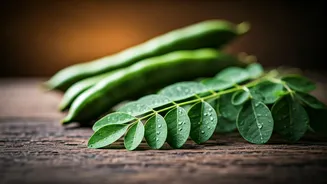
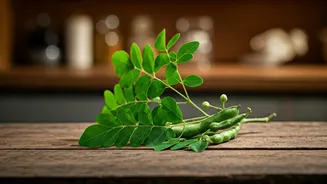
You may have seen moringa powder in the wellness aisle, touted as the next big superfood. But long before it was a trendy smoothie booster, the leaves of the *Moringa oleifera* tree—often called the “drumstick tree” for its long, slender seed pods—have
been a culinary staple across South Asia and Africa for centuries. In India, it's not a fad; it’s food. The tree is a powerhouse of utility: its pods are used in curries like sambar, its flowers are cooked as a delicacy, and its leaves are treated as a versatile, everyday vegetable, especially during the sweltering summer months.
The Perfect Antidote to Summer Heat
So why summer? In many parts of India, the intense heat can be draining, depleting the body of essential nutrients through sweat. Traditional food wisdom focuses on ingredients that are cooling, hydrating, and fortifying. Moringa leaves fit the bill perfectly. They are exceptionally nutrient-dense, packed with vitamin C, iron, potassium, and protein. Unlike heavier winter greens, moringa is light and doesn't feel heavy in the stomach. Its slightly bitter flavor is also believed in Ayurvedic tradition to help stimulate digestion and cleanse the system, making it a go-to for light but nourishing meals that sustain energy without weighing you down in the heat.
An Earthy, Unforgettable Flavor
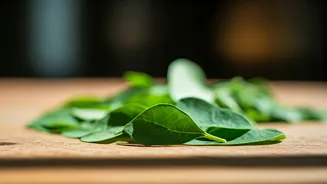
If you’ve never tasted moringa, don’t expect it to be a neutral background green like spinach. Fresh moringa leaves have a distinct flavor profile: earthy and grassy, with a slightly bitter, peppery finish reminiscent of arugula or radish greens. This assertive taste is key to its culinary charm. Indian cooks are masters at balancing this bitterness. The leaves are often paired with ingredients like grated coconut, sweet onions, savory lentils, or a touch of jaggery (unrefined cane sugar) to create a harmonious dish where the moringa’s unique character shines through without overwhelming the palate. The texture is delicate; the small leaves cook down quickly, becoming tender in minutes.
From Stir-Fries to Lentil Stews
In a South Indian kitchen, you might find moringa leaves starring in a *poriyal*—a simple, dry stir-fry with mustard seeds, onions, and a generous amount of shredded coconut. The sweetness of the coconut is a classic counterpoint to the leaves' bitterness. Another popular method is to stir a handful of fresh leaves into a pot of *dal* (lentil stew) or *sambar* during the last few minutes of cooking. This not only adds a huge nutritional
Finding and Using It in the U.S.
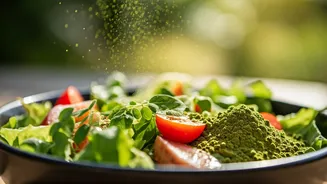
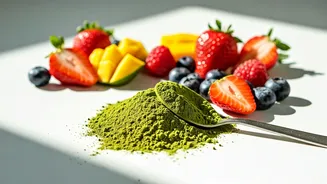
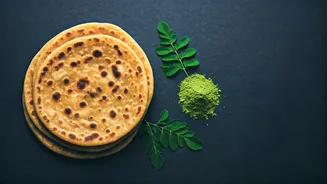
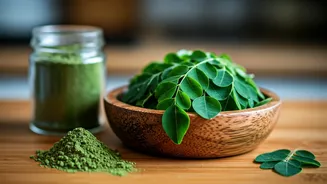
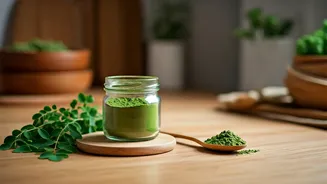
Intrigued? Finding fresh moringa leaves in the U.S. is easier than you might think, especially if you have a local Indian or international grocery store. They are often sold in bunches, still on their thin stems. Look for vibrant green leaves and avoid any that are yellow or wilted. You can also find them in the frozen section, which is a convenient alternative. To prepare fresh moringa, simply strip the small leaves from the tough central stems—it’s a bit tedious but worth it. For a first taste, try a simple stir-fry with garlic, onion, and a sprinkle of salt. Or, if you can only find the powder, start small. A teaspoon in a smoothie, soup, or even a batch of scrambled eggs will give you a sense of its earthy flavor and a major nutrient kick.