






From Opulence to Authenticity
The travel industry is witnessing a quiet but significant shift. While the all-inclusive, five-star beach resort remains a popular choice, many newlyweds are redefining honeymoon luxury. Instead of pure indulgence, they’re seeking connection—to nature,
to local cultures, and to each other. This emerging trend, often called 'green' or 'eco' honeymooning, prioritizes sustainable practices, minimal environmental impact, and authentic experiences over sheer extravagance. It’s a move away from the performative ‘glitter’ of a vacation and toward the tangible ‘green’ of meaningful travel. This isn’t about roughing it in a tent (unless that’s your thing). It’s about choosing destinations and operators that align with a couple's values, proving that romance and responsibility can go hand-in-hand.
The Values Driving the Trend
So, why the change of heart? This movement is largely propelled by Millennial and Gen Z couples who are more environmentally conscious and experience-driven than previous generations. Having grown up with constant conversations about climate change and sustainability, they are extending their everyday eco-friendly habits to their major life events. A honeymoon, for them, is not just a vacation; it's a statement about the life they intend to build together. Furthermore, in a post-pandemic world saturated with digital noise, there's a deep craving for genuine, off-the-grid adventures. Couples are looking for unique stories to tell, not just perfect photos to post. The goal is to return home with a shared memory of building a trail, spotting a rare bird, or learning a new skill together, rather than just a tan.
What a Green Honeymoon Looks Like
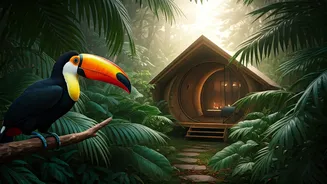
The term 'green honeymoon' is a broad one, covering a spectrum of travel styles. At one end, you have high-end luxury that’s deeply committed to conservation. Think of a solar-powered boutique hotel in Costa Rica where your stay supports rainforest preservation, or a South African safari lodge that funds anti-poaching initiatives and local community schools. In the middle, you find adventure-focused trips that immerse you in nature. This could be a multi-day trek through a U.S. National Park like Zion or Yosemite, kayaking in the bioluminescent bays of Puerto Rico, or getting scuba-certified to explore protected marine reserves in Belize. On the other end is 'voluntourism,' where couples dedicate part of their trip to a cause, such as helping with sea turtle conservation or participating in a coral reef restoration project. The common thread is intentionality.
How to Plan a Meaningful Trip
Planning a green honeymoon requires a little more research, but the payoff is immense. Start by defining what 'green' means to you. Is it minimizing your carbon footprint, supporting wildlife, or contributing to a local economy? Once you have a goal, look for accommodations and tour operators with credible eco-certifications, such as B Corp, Rainforest Alliance, or Fair Trade Tourism. Ask questions: Where do they source their food? How do they manage waste? How do they support their staff and community? Small choices can also make a big impact. Consider traveling in the off-season to reduce strain on popular destinations, packing light to lower fuel consumption on flights, and always adhering to the 'leave no trace' principles wherever you go.