

The Lure of the 'Green Season'
In destinations from Southeast Asia to Central America, the term “monsoon season” can conjure images of biblical floods and washed-out roads. For airlines and hotels, it means the dreaded “off-season.” But for savvy travelers, it’s known by a more appealing
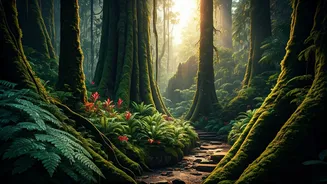
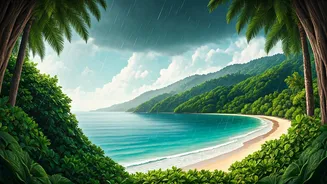
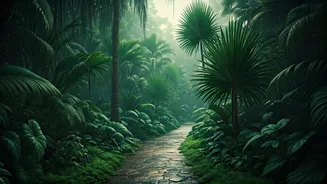
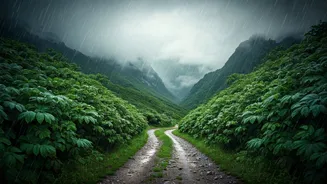
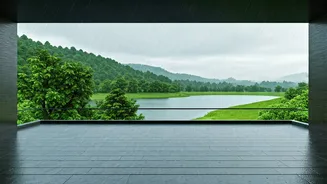
name: the “green season.” This period, which varies by region but generally falls between May and October, is when tropical landscapes, parched from months of sun, explode into astonishing shades of green. It’s a time of renewal, not ruin. The rain, often misrepresented as a constant, non-stop deluge, is typically more predictable. Think intense, dramatic, but short-lived afternoon downpours that cool the air, followed by a return to sunshine. It’s weather you can set your watch by, leaving entire mornings and evenings free for exploration.
The Financial 'Cheat Code'
Let’s talk numbers, because this is where a monsoon break feels less like a vacation and more like a heist. During peak season, a desirable hotel in a place like Thailand or Costa Rica can feel unattainable. But in the off-season, the travel industry is desperate to fill rooms and seats. This translates into staggering discounts. It’s not uncommon to see luxury resorts slash their rates by 30% to 50%. Airlines, freed from the peak-season crush, offer more competitive fares. Suddenly, that boutique hotel with the private plunge pool is the same price as the standard chain hotel you were originally budgeting for. Tour operators offer private guides for the price of a group tour, and top-rated restaurants have actual availability. This isn’t about finding a budget vacation; it’s about accessing a premium experience for a budget price.
An Escape From the Crowds
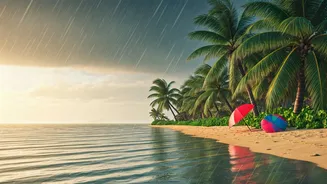
Beyond the savings, the greatest luxury of monsoon travel is space. Imagine visiting a world-famous temple and hearing the sounds of nature instead of the chatter of a hundred tour groups. Picture yourself on a stunning beach with only a handful of other people. This is the off-season reality. The over-tourism that plagues popular destinations during the dry months simply evaporates. You get better photos without strangers in the background. You have more meaningful interactions with locals who aren’t overwhelmed by crowds. You can be spontaneous, deciding to visit a major attraction on a whim without worrying about pre-booking tickets weeks in advance. It transforms travel from a checklist of sights to be ticked off into a genuine experience of discovery and peace.
A Greener, More Vivid World
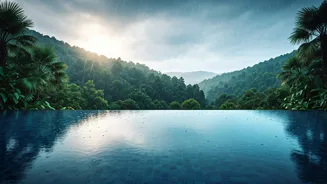
The aesthetic of the green season is a powerful draw in itself. Waterfalls that are a mere trickle in the dry season become roaring, majestic cascades. Rice paddies shimmer in an almost impossibly vibrant green. The air is cleaner, washed by the daily rains, and the sunsets and sunrises are often more dramatic, with moody clouds painting the sky. For photographers and nature lovers, this is the *real* peak season. The world feels more alive, more potent. That dramatic, cloudy sky is a feature, not a bug. It provides a beautiful, soft light that makes colors pop, and the dramatic atmosphere adds a layer of romance and mystery to ancient ruins and dense jungles.
The Reality of the Rain
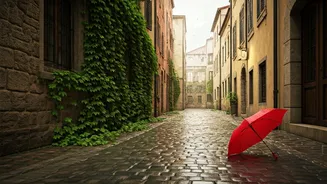
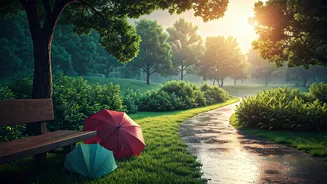
Of course, there are trade-offs. It is called the rainy season for a reason. You will get wet. The humidity can be intense, a thick blanket you wear from dawn till dusk. Certain activities, like multi-day jungle treks or accessing remote islands via small boats, may be cancelled due to weather. Some beachside bars and restaurants might be closed for the season. Success requires a mental shift. You can’t fight the rain; you have to embrace it. Plan your main activities for the morning, and use the afternoon downpour as a built-in excuse for a nap, a spa treatment, a cooking class, or simply reading a book with the sound of rain on the roof. Pack quick-dry clothing, a waterproof bag for your electronics, and a flexible attitude. If your vacation is ruined by a two-hour rainstorm, you’ve missed the point.