

More Than a Hashtag
Not long ago, the dominant food culture was aspirational and acquisition-based. We saw a stunning dish online, found a complex recipe, and made a special trip to the store for gochujang, preserved lemons, or a very specific type of artisanal cheese. The
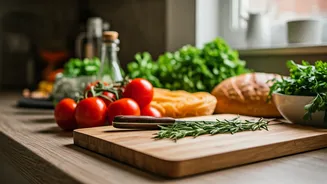
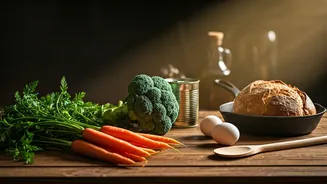
result? A delicious, project-based meal, but also a half-used jar of something that would be pushed to the back of the fridge to be forgotten. Pantry cooking flips that script. Instead of starting with a recipe, you start with what you have. It’s a resourceful, flexible approach that treats your pantry, fridge, and freezer not as a random collection of items, but as your own personal, well-curated grocery store. It’s less about strict deprivation and more about creative problem-solving. At its core, it’s the art of transforming humble staples—a can of beans, a bag of rice, an onion, some spices—into a satisfying and delicious meal.
Why It’s Winning Now
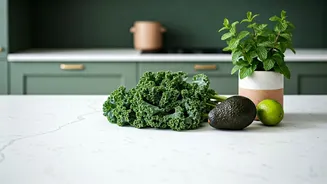
The rise of pantry cooking isn’t an accident. It’s a practical response to a trio of modern pressures: economic, environmental, and mental. With grocery prices soaring due to inflation, households are looking for any and every way to trim their food budgets. Pantry cooking is a direct answer, turning ingredients you’ve already paid for into meals, drastically cutting down on weekly spending and impulse buys. Simultaneously, there’s a growing awareness of food waste. Americans throw away an astonishing amount of food, and much of it is perfectly edible produce or leftovers. By focusing on using what’s on hand, pantry cooking is an inherently sustainable act. It forces you to get creative with that slightly wilted kale or those last two carrots. Finally, it simplifies the crushing mental load of meal planning. The endless question of “What’s for dinner?” becomes less daunting when the answer is already sitting on your shelves.
Building Your Power Pantry
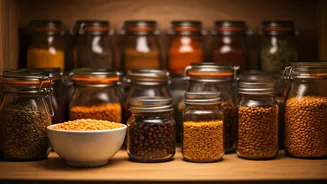
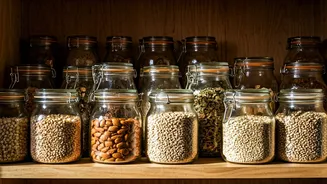
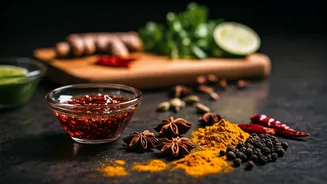
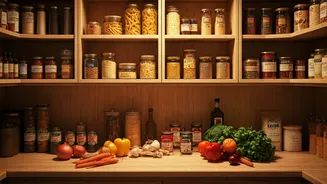
A great pantry isn’t about having everything; it’s about having the right things. A well-stocked pantry is one filled with versatile “building block” ingredients that can be combined in countless ways. Think of it as creating your own meal kit service. A good place to start includes: * **Grains & Carbs:** Rice (white or brown), pasta, oats, quinoa, and breadcrumbs. * **Legumes:** Canned or dried beans (black, chickpeas, cannellini) and lentils. * **Canned Goods:** Diced tomatoes, tomato paste, coconut milk, and canned fish like tuna or salmon. * **Fats & Acids:** Olive oil, a neutral cooking oil, and a variety of vinegars (balsamic, apple cider, red wine). * **Aromatics & Flavor:** Onions, garlic, and long-lasting produce like potatoes and sweet potatoes. Your spice rack is your greatest ally—salt, black pepper, red pepper flakes, cumin, smoked paprika, and dried oregano are a powerful starting lineup. * **The Freezer:** Your pantry's frozen twin. Stock it with frozen vegetables (peas, corn, spinach), proteins, and leftover broths or sauces.
The Art of the “Flexipe”
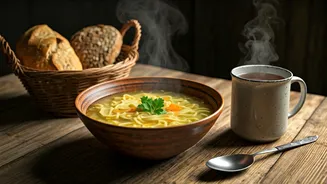
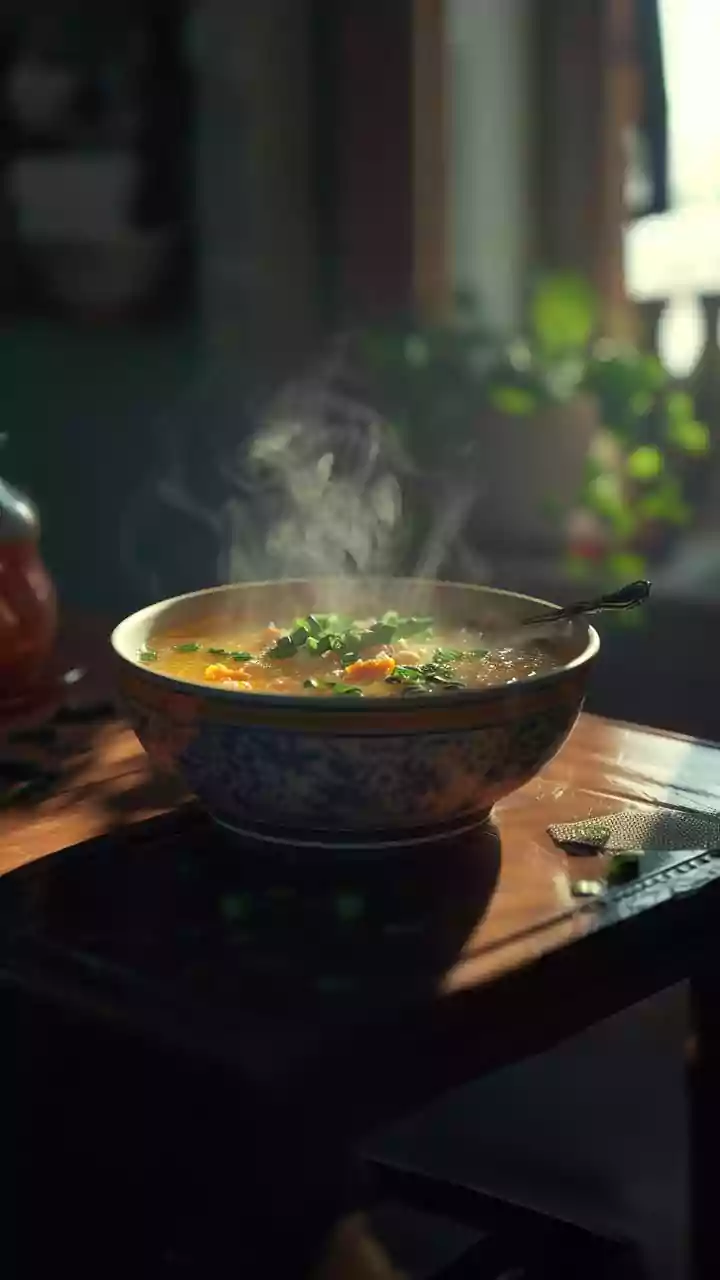
The key to unlocking your pantry is to stop thinking in rigid recipes and start thinking in flexible templates, or “flexipes.” Instead of a recipe for “Chicken and Broccoli Stir-fry with Jasmine Rice,” think of the template: Protein + Vegetable + Aromatic + Sauce + Grain. That protein could be tofu, shrimp, or chickpeas. The vegetable could be bell peppers, green beans, or bok choy. The grain could be quinoa or noodles. Once you see the underlying structure of a dish, you can substitute ingredients with confidence. Great starting flexipes include: * **Grain Bowls:** A base of grains, topped with a roasted vegetable, a protein, and a simple dressing made from oil, vinegar, and mustard. * **Frittatas & Omelets:** The ultimate home for leftover cooked vegetables, cheese, and herbs. * **Soups:** Sauté aromatics (onion, garlic), add vegetables, a liquid (broth, canned tomatoes, water), and a legume or grain. Simmer until tender and season generously. * **Pasta Toss:** While pasta cooks, sauté garlic in olive oil, add a vegetable (like spinach) or a canned protein (like tuna), and toss everything together with a splash of pasta water.