




What Exactly Is a Haveli?
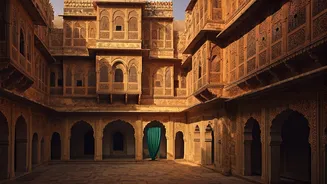
Think of a haveli not as a hotel, but as a historic private mansion, now opened to guests. The term, derived from Persian, refers to the grand, ornate townhouses that once belonged to noble families and wealthy merchants in Rajasthan and other parts of India.
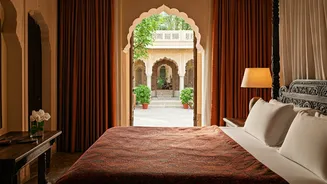
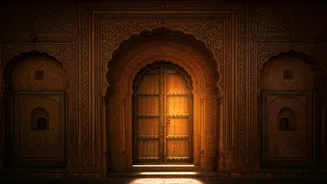
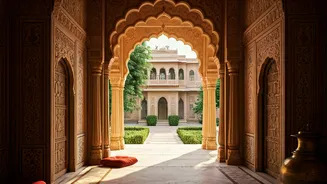
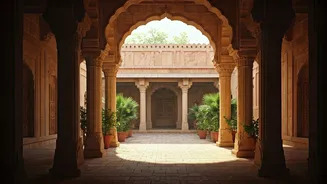
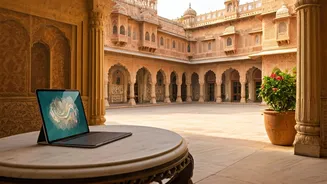
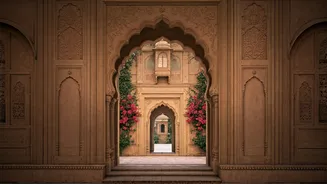
Built around one or more central courtyards, these structures were designed for both privacy and natural climate control, creating a cool, serene oasis shielded from the city's bustle. Their architecture is a feast for the eyes, characterized by intricate frescoes, latticed stone screens (jaalis), colorful glasswork, and beautifully carved balconies (jharokhas). For generations, these were family homes, echoing with the stories of the people who lived there. Now, many have been painstakingly restored and converted into heritage hotels, offering travelers a chance to sleep within the walls of history.
The Allure of Authenticity
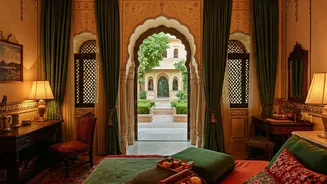
The growing preference for havelis speaks to a wider shift in travel: the search for authenticity over uniformity. While a standard hotel chain offers a predictable, reliable experience anywhere in the world, it can also feel anonymous. You could be in Jaipur or Jacksonville, and the room might look remarkably similar. A haveli, by contrast, is intrinsically tied to its location. No two rooms are alike; one might have an arched alcove with original frescoes, while another opens onto a private terrace overlooking the courtyard. The furniture is often antique, the art is local, and the atmosphere is suffused with a sense of place. This uniqueness is a powerful draw for travelers tired of generic luxury and eager for an immersive cultural experience that a corporate key card simply can't unlock.
Living Inside a Story
Staying in a haveli is less like checking into a hotel and more like being a guest in a living museum. Many of these properties are still owned, and sometimes even inhabited, by the descendants of the original families. This lineage adds a profound layer of hospitality and narrative. The manager might be the great-grandson of the merchant who built the mansion, ready to share tales of its past over evening tea. The service is deeply personal, driven by a pride of ownership rather than a corporate training manual. Guests aren't just room numbers; they are participants in the ongoing story of the home. This personal connection, combined with the stunning historical backdrop, transforms a simple stay into a memorable chapter of one's travels.
More Than Just a Bed
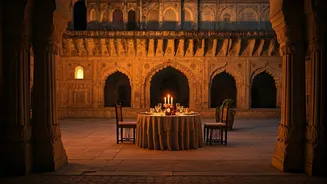
The haveli experience extends far beyond the bedroom. The central courtyard often serves as a social hub where guests can relax, read, and mingle. The food is another major highlight. Instead of a continental buffet, you’re more likely to find a menu featuring home-cooked Rajasthani specialties, prepared using family recipes passed down through generations. Many havelis also arrange unique cultural activities, from traditional puppet shows and folk music performances in the evenings to intimate cooking classes where you can learn the secrets of the local cuisine. It’s an all-encompassing experience designed to connect you with the heart of Rajasthani culture, turning your accommodation into a destination in its own right.
Is a Haveli Stay Right for You?
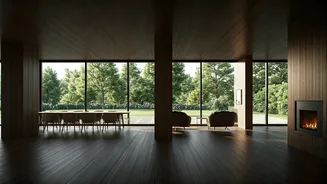
While enchanting, the haveli experience comes with its own character. As historic buildings, they can have quirks. The Wi-Fi might be strongest in the courtyard, not your room. The plumbing, while updated, might not have the high-pressure power of a modern hotel. Some rooms may be smaller or have unconventional layouts due to the original architecture. For travelers who prioritize seamless, standardized amenities above all else, a chain hotel might still be the safer bet. But for those who see these quirks as part of the charm and who crave a stay with soul, personality, and a deep connection to place, the choice is clear. A haveli isn't just a place to sleep—it's an opportunity to inhabit the magic of Jaipur itself.