
The Slow Death of the Party Uniform
For decades, the holiday season came with a prescribed dress code: sparkle, velvet, high heels, and a general air of trying very hard. It was a form of sartorial peacocking, where the goal was to be the most conspicuously festive person in the room. But
a quiet revolution is underway. In the wake of years spent re-evaluating our priorities, the exhausting performance of 'dressing up' is losing its appeal. The one-wear-only beaded dress and the shoes that have you looking for a chair by 8 p.m. are starting to feel less like glamour and more like a chore. We’ve grown accustomed to comfort, and more importantly, we’ve started to value authenticity over artifice. The new status symbol isn't how much glitter you can wear, but how utterly at ease you appear. This shift isn't about giving up; it's about a strategic pivot to a more sustainable, self-assured kind of style.
The Psychology of Cozy Confidence
Here's the 'trick' part of the headline: practical dressing is a psychological hack. When you’re physically comfortable, you’re not fidgeting with a strap, pulling down a hemline, or hobbling in pain. Your brain is free from the low-level hum of physical discomfort, allowing you to be more present, engaging, and genuinely confident. Think about the body language of someone in an outfit they hate versus someone in their favorite, perfectly-fitting sweater. One is closed off and self-conscious; the other is open, relaxed, and magnetic. This 'cozy confidence' comes from wearing clothes that feel like a second skin, not a costume. It’s the powerful feeling of showing up as yourself, just a more polished version. The confidence isn't derived from an external layer of sparkle; it's generated from an internal state of ease. You win the social game not by out-dressing everyone, but by being the most comfortable person there.
It’s All About Elevated Basics
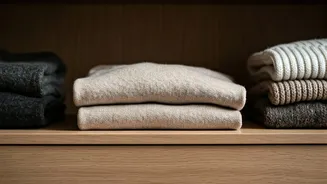
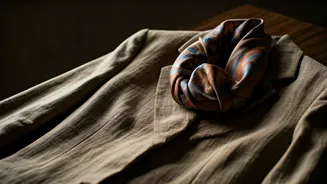
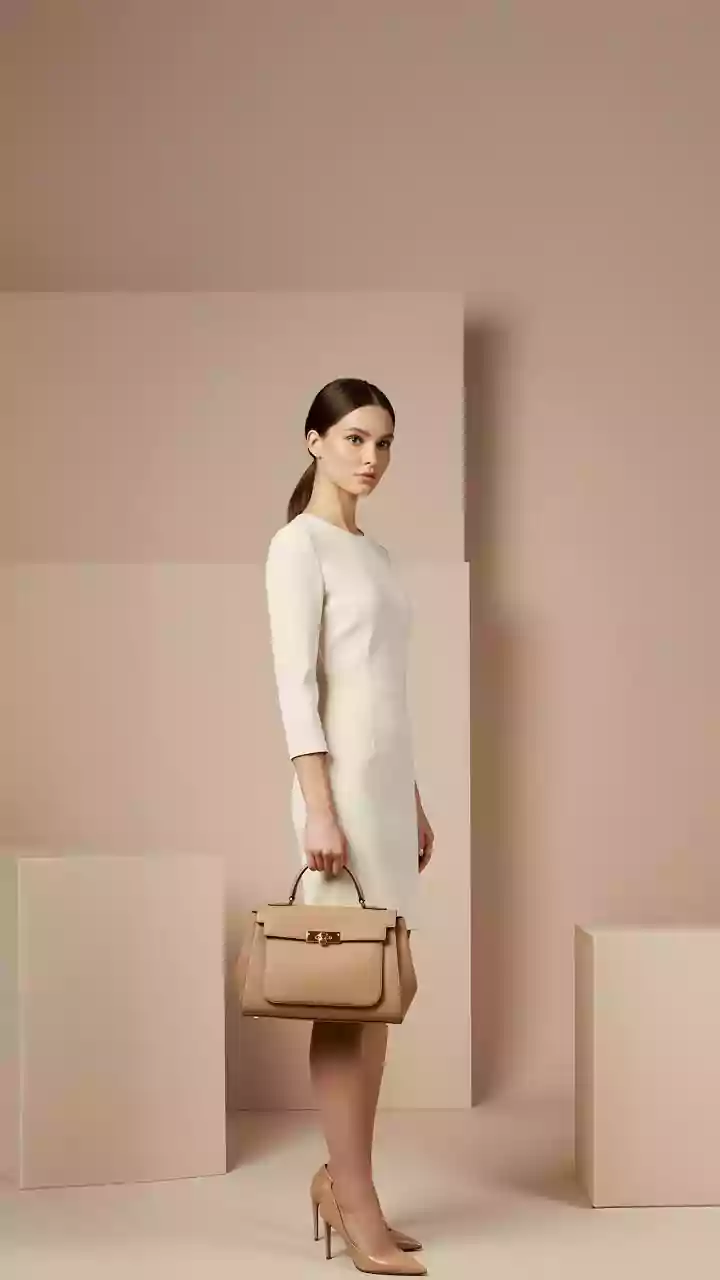
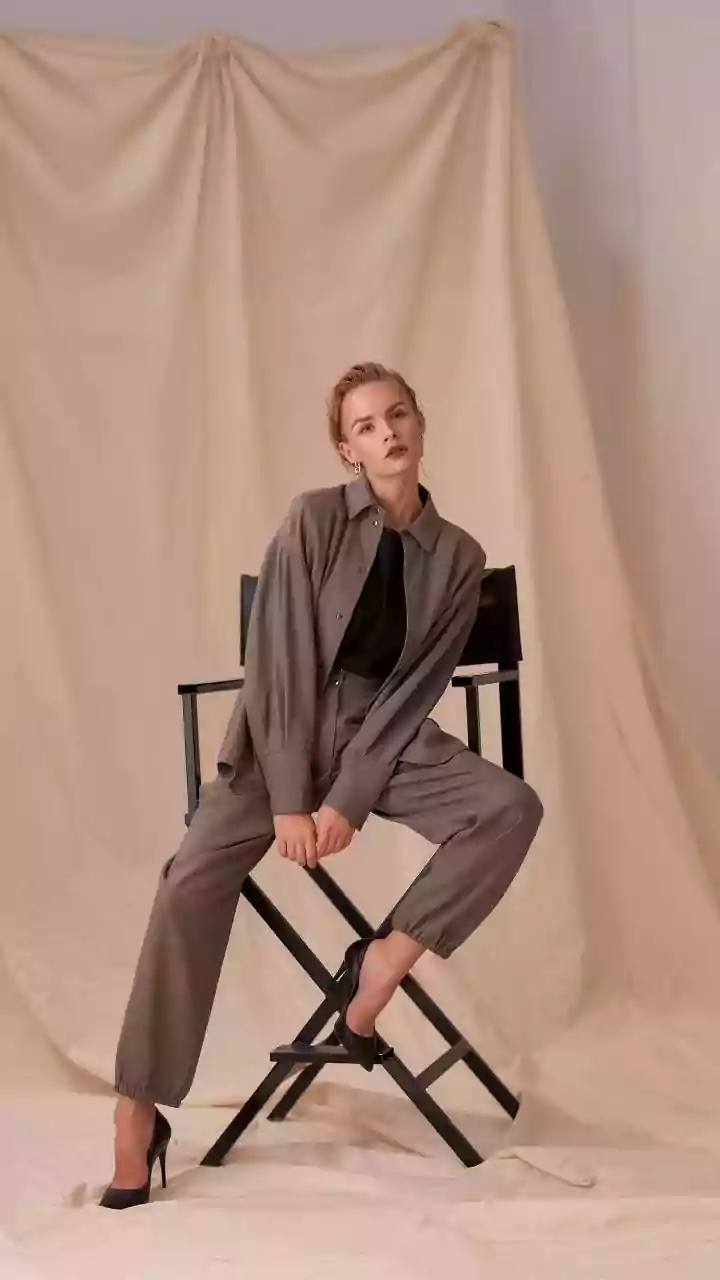
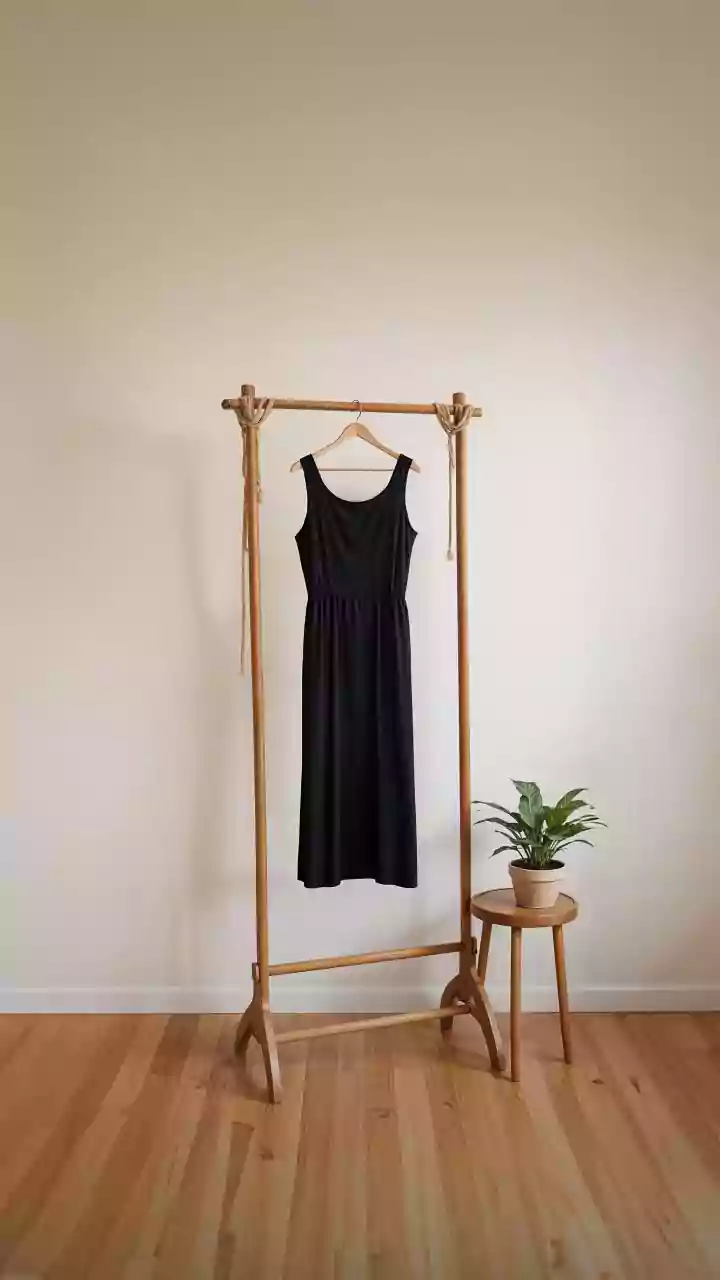
So, what does 'practical' actually look like in a festive setting? It’s not about showing up in sweatpants. The key is investing in and styling 'elevated basics.' This is where the influence of the 'quiet luxury' trend comes in. Instead of a cheap, flashy top, the modern approach is a perfectly cut cashmere sweater in a rich jewel tone. Instead of a stiff cocktail dress, it’s a pair of flowing silk trousers or a simple, beautifully made knit dress. The focus shifts from ornamentation to three key elements: fabric, fit, and silhouette. A luxe fabric like merino wool, satin, or a heavy crepe makes even the simplest garment feel special. An impeccable fit ensures you look sharp and put-together. And a strong silhouette—like wide-leg pants, a structured blazer, or an A-line skirt—does the visual work for you, creating an impactful look without a single sequin. It’s about owning pieces that work for a holiday party but also for a nice dinner out in February, which is a smarter, more sustainable way to build a wardrobe.
How to Master the Trick
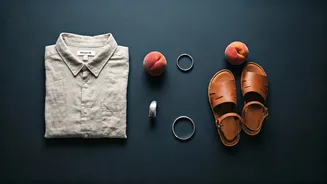
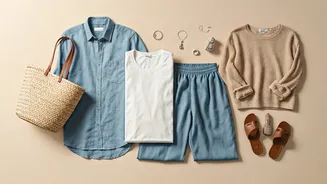
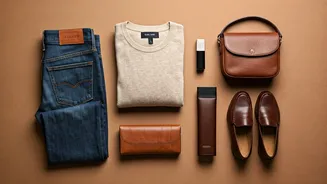
Putting this into practice is simpler than you think. Start with a foundation of comfort and build from there. One foolproof formula is pairing something luxe with something simple. Try a simple black turtleneck with a metallic or satin midi-skirt and elegant flats. Another is to lean on a single, great 'third piece.' A sharp blazer thrown over a simple tee and dark, well-fitting jeans can look more powerful than the most elaborate dress. Accessorizing becomes more important. A statement earring, a bold red lip, or a sculptural handbag can instantly elevate a simple outfit to party-ready status. And never underestimate the power of great footwear. A pair of chic pointed-toe flats, velvet loafers, or a low, block-heeled boot in a rich color provides polish without the pain. The goal is to create a look that says, 'I have great taste,' not 'I spent three hours getting ready for this.'