




Why Drainage Is Everything
Before we get our hands dirty, let’s talk about why this matters. Plants, like us, need to breathe. Their roots require oxygen from air pockets in the soil. When soil becomes saturated, those pockets fill with water. This suffocates the roots, leading
to root rot—a fungal disease that is often a death sentence for plants, especially those adapted to arid climates. Poor drainage also compacts soil, making it harder for roots to grow and for water to penetrate evenly later. A single, poorly drained afternoon can undo a season of careful work. Proper drainage isn't just about preventing puddles; it’s about ensuring your plants have the healthy, oxygenated foundation they need to survive the deluge and thrive in the humid weeks that follow.
Assess Your Landscape Now
Your first task is to play detective. Don't wait for the first downpour to discover your yard's trouble spots. After you water your garden or after a small rain shower, take a walk around. Where does water stand the longest? Note any low spots in lawns or garden beds where puddles form. Observe the pathways water takes as it runs off your roof, patio, or driveway. Is it flowing directly into a prized rose bush or a bed of delicate succulents? This simple observation is your most powerful tool. By identifying the natural flow and problem areas of your property, you can create a targeted plan instead of guessing. You might find that a seemingly complex problem is just a matter of redirecting a single downspout.
Fortify Your Garden Beds
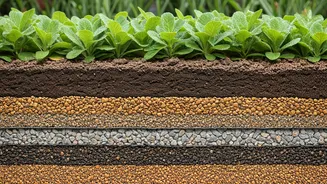
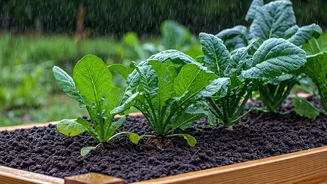
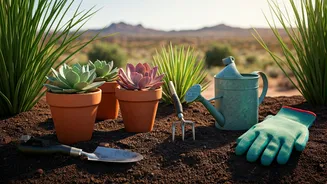
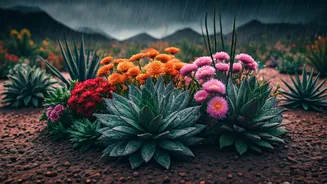
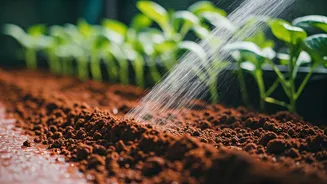
For in-ground plants, the goal is to improve the soil's structure so it can absorb water without becoming a bog. The single best thing you can do is amend your soil with organic matter. Work several inches of high-quality compost into the top 6-12 inches of your beds. Compost improves the structure of both heavy clay soils (by separating particles) and sandy soils (by helping retain moisture without saturation). If you have known low spots, consider building raised beds. Even a 6- to 8-inch lift can elevate your plants' roots above the soggiest layer of soil. For subtle grading issues, you can create gentle mounds for planting (berms) and shallow channels (swales) to guide excess water away from sensitive root zones and toward thirstier plants or areas where it can safely soak in.
Don't Forget Container Gardens
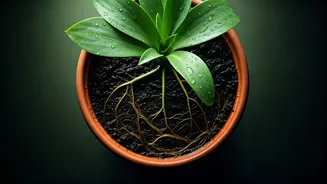
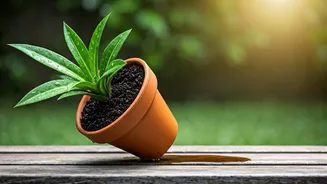
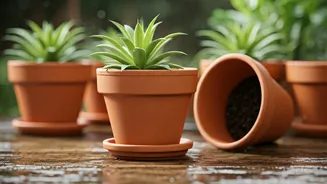
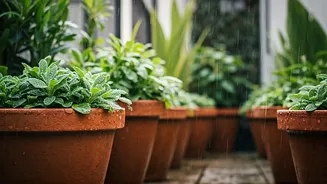
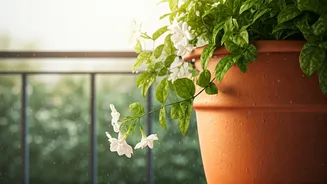
Potted plants are especially vulnerable during a monsoon. While they seem safe, a blocked drainage hole can turn a beautiful pot into a bucket of mud in minutes. First, physically check every container. Tip it over and ensure the drainage holes are clear of debris, old roots, or caked-on soil. If a pot has only one small hole, consider carefully drilling a few more. Second, elevate your pots. Use 'pot feet,' bricks, or simple wooden blocks to lift containers an inch or two off the ground. This simple step prevents the drainage holes from being sealed off by the patio or deck surface and allows water to exit freely. Finally, resist the urge to place a layer of gravel at the bottom of your pots. This old advice has been debunked; it actually raises the water table inside the pot, concentrating water exactly where the roots are.
Directing the Deluge
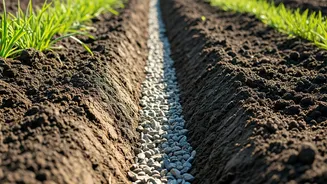
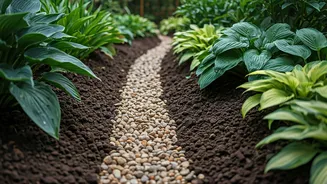
Managing runoff from hardscapes like roofs and driveways is a pro-level move that makes a huge difference. Ensure your downspouts are directed away from garden beds and your home's foundation. You can buy simple extender pipes at any hardware store. For a more integrated solution, direct that runoff into a rain barrel to capture free water for drier days, or channel it into a designated 'rain garden'—a depression filled with water-loving native plants designed to handle periodic flooding. Even just creating a simple, shallow trench filled with gravel (a basic French drain) can intercept sheets of water flowing from a patio and guide it to a safer location, protecting the delicate plantings nearby.