

From Canceled Plans to Content Gold
Not long ago, a forecast of relentless rain was a traveler’s worst nightmare, a sign of canceled hikes and days spent glumly indoors. Today, for a growing niche of travelers and content creators, that same forecast is a golden opportunity. The shift is most
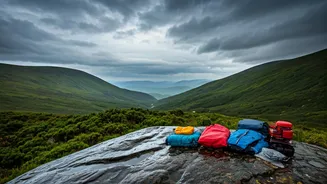
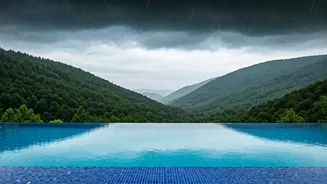
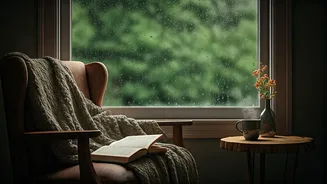
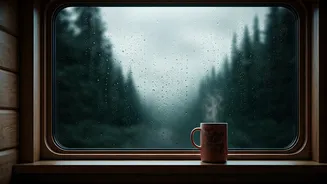
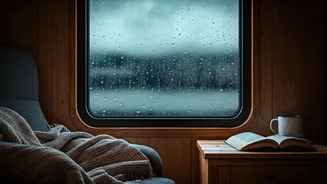
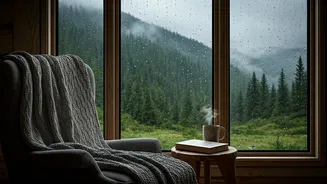
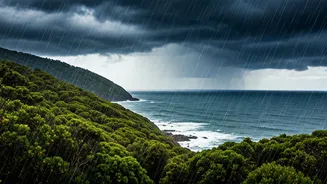
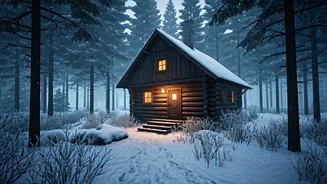
visible on platforms like TikTok and Instagram, where the 'rainy day aesthetic' has become a genre unto itself. Videos feature steaming mugs of coffee on misty balconies, time-lapses of storm clouds rolling over a mountain, and the rhythmic drumming of rain on a cabin roof. These aren't just incidental B-roll shots; they are the entire point. The stormier, the better. This phenomenon goes beyond a simple appreciation for a cozy day. We now talk about major weather events with a strange familiarity. Terms like 'atmospheric river' and 'bomb cyclone,' once confined to meteorology reports, have entered the popular lexicon, treated almost like celebrity appearances. When one of these systems barrels toward the Pacific Northwest or Northern California, it doesn’t just trigger weather warnings; it triggers a wave of content creation, transforming a meteorological event into a shareable cultural moment.
The Soothing Psychology of the Storm
So, why the sudden appeal? Part of it lies in the embrace of 'coziness' as a marketable lifestyle. The Danish concept of *hygge*—a feeling of cozy contentment—went mainstream years ago, and this trend is its natural evolution. A rainy day provides the perfect excuse to slow down, light a candle, and disconnect without guilt. It’s an antidote to the high-pressure, activity-packed vacation, offering a quiet, introspective alternative. There's also a deeper psychological pull. People who love the rain, sometimes called 'pluviophiles,' find the sound and sight of a downpour to be deeply soothing. The steady, predictable sound can function like white noise, calming the nervous system. In a world of constant overstimulation, the singular focus of a storm—the sight, sound, and smell of it—can be a form of mindfulness. It’s nature’s permission slip to do nothing at all, and in our productivity-obsessed culture, that’s a radical form of luxury.
The New Hotspots for Bad Weather
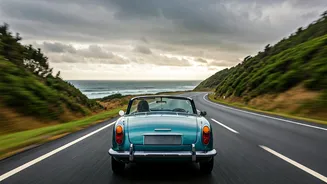
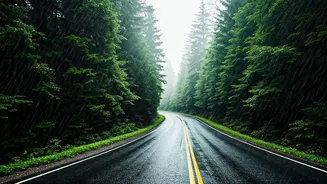
Certain destinations are perfectly positioned to capitalize on this moody-weather renaissance. The Pacific Northwest, with its famously lush, rain-soaked forests and dramatic coastlines, has become the unofficial capital of this movement. Cities like Seattle and Portland, and especially remote spots on the Olympic Peninsula, have long been associated with drizzle, but now they’re marketing it as a feature, not a bug. Boutique hotels and cabin rentals in these areas often emphasize their coziest amenities: fireplaces, soaking tubs with forest views, and well-stocked libraries. Internationally, places like Scotland, Ireland, and Iceland are also seeing their dramatic, often-inclement weather reframed as a key selling point. These destinations have always offered stunning landscapes, but the aesthetic of a windswept cliff or a misty glen fits perfectly with the online desire for dramatic, atmospheric content. Travel in the 'off-season,' once a budget-conscious choice, is now an aesthetic one for those chasing the perfect moody shot.
Engineered for the Algorithm
Ultimately, this trend is inseparable from the social media platforms that amplify it. The 'rainy day' aesthetic is perfectly engineered for the short-form video format. It’s visually distinct, sonically satisfying (ASMR, anyone?), and emotionally resonant. The content is easy to replicate but allows for personal touches, creating a sense of a shared, yet individual, experience. The algorithm rewards this niche consistency, serving up an endless scroll of cozy cabin windows and rain-spattered leaves to users who show even a passing interest. This creates a feedback loop: creators see that moody weather content performs well, so they seek it out. Destinations and brands notice the trend and start catering to it. And audiences, perhaps grappling with a form of climate anxiety, find a strange comfort in aestheticizing the very weather patterns that are becoming more extreme and unpredictable. It’s a way of taming nature’s power by framing it within a 15-second, perfectly curated video.