





What Is Ecosystem-Focused Gardening?
At its heart, this trend is about one simple, powerful idea: planting native. Also known as rewilding or habitat gardening, it’s the practice of choosing plants, shrubs, and trees that are native to your specific region—the ones that grew there long before
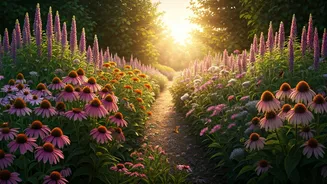
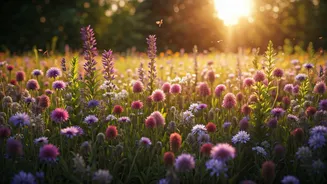
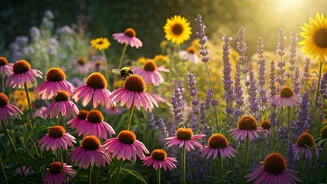
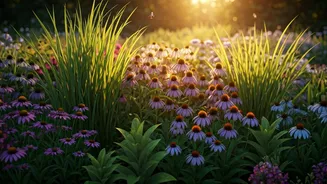
garden centers and manicured lawns existed. Unlike exotic ornamentals chosen purely for looks, native plants have co-evolved over millennia with the local insects, birds, and other animals. They are the foundation of a healthy local food web. A traditional garden might look pretty, but a native garden is alive. It’s a functioning ecosystem in miniature, not just a collection of disconnected, high-maintenance decorations.
The Problem with the Perfect Lawn
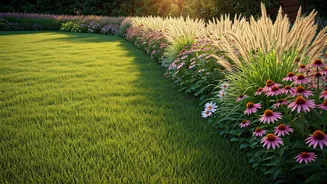
The traditional American lawn, covering an estimated 40 million acres, is often called an ecological desert. This monoculture of turf grass offers almost nothing for pollinators or wildlife. Worse, maintaining it is an resource-intensive battle against nature. It demands immense amounts of water—often more than any agricultural crop—and relies on a steady diet of chemical fertilizers and pesticides. These chemicals can run off into local waterways, harming aquatic life, while the gas-powered mowers, blowers, and trimmers used for upkeep contribute to air and noise pollution. By shifting our perspective, we can see the lawn not as a default but as a choice, and often, an ecologically poor one.
Beyond the Bee: A Ripple Effect of Benefits
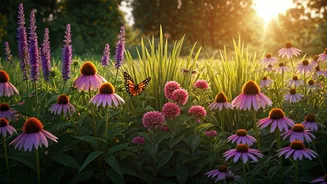
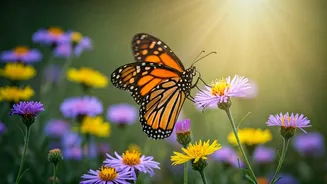
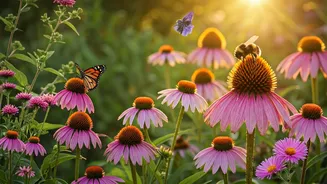
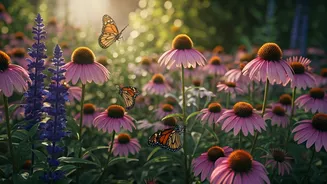
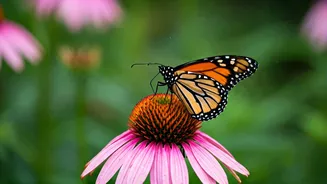
When you plant natives, the benefits ripple outward. The most immediate impact is on pollinators. Native bees, butterflies, and moths have evolved to feed on specific native flowers. For example, monarch butterfly caterpillars can *only* eat milkweed. By planting it, you provide an essential link in their life cycle. But it doesn't stop there. According to entomologist Dr. Doug Tallamy, a champion of this movement, native plants host a far greater number of caterpillars than non-natives. Why does that matter? Because 96% of terrestrial birds feed their young insects, primarily caterpillars. A yard full of native oak trees, willows, and cherries becomes a veritable bird feeder, supporting chickadees, wrens, and warblers. Your garden transforms from a silent space into a dynamic habitat.
Less Work, More Life
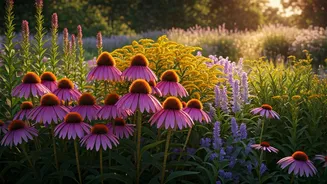
Perhaps the most compelling part of this trend for busy homeowners is that supporting an ecosystem can actually be *less* work. Because native plants are perfectly adapted to your area's soil, rainfall, and climate, they are naturally more resilient. Once established, they typically require far less watering, fertilizer, and fuss than their exotic counterparts. They have natural defenses against local pests, reducing or eliminating the need for chemical sprays. Instead of spending Saturday morning mowing a sterile lawn, you can spend it watching goldfinches feast on the seeds of your coneflowers. It’s a shift from a mindset of control and maintenance to one of observation and coexistence.
How to Get Started
The idea of overhauling your entire yard can be intimidating, but you don't have to. Start small. Convert a single, difficult-to-mow corner of your lawn into a native plant bed. Replace a struggling non-native shrub with a hardy native alternative. Even a container on a balcony filled with native wildflowers can become a vital refueling station for a migrating butterfly. To find the right plants, use free online tools like the National Audubon Society’s “Plants for Birds” database or the National Wildlife Federation’s Native Plant Finder, both of which generate lists based on your zip code. Seek out local nurseries that specialize in native plants; their staff are often passionate experts who can guide you. The goal isn’t perfection, but participation.