


Go Beyond the '8-Glass' Rule
For decades, the “eight glasses of water a day” rule has been treated as gospel. While it’s a memorable starting point, it’s not a one-size-fits-all prescription. Your ideal water intake depends on a host of factors, including your age, sex, body size,
activity level, climate, and overall health. The U.S. National Academies of Sciences, Engineering, and Medicine suggests a general guideline of about 15.5 cups (3.7 liters) of fluids a day for men and 11.5 cups (2.7 liters) for women. But here’s the key: “fluids” include water from food and other beverages. Instead of fixating on a number, learn to listen to your body. A better daily goal is to drink consistently throughout the day and use the color of your urine as a guide—pale yellow is the goal; dark yellow or amber means it’s time to drink up.
Eat Your Water
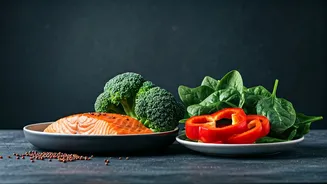
Hydration isn't just about what you drink; it's also about what you eat. Roughly 20% of our daily fluid intake comes from food. Incorporating water-rich foods into your diet is an easy and delicious way to boost your hydration levels, especially during hot weather. Think of summer produce as nature’s sports drinks. Watermelon and strawberries are over 90% water and pack in vitamins and antioxidants. Cucumbers, celery, and bell peppers are also excellent choices, perfect for adding a hydrating crunch to salads and snacks. Even soups, yogurts, and oatmeal contribute significantly to your fluid needs. By making these foods a regular part of your meals, you’re creating a buffer that helps maintain your hydration status throughout the day.
Recognize the Sneaky Signs of Dehydration
Thirst is an obvious signal that your body needs water, but it’s not the first one. By the time you feel thirsty, you may already be mildly dehydrated. Learning to recognize the earlier, more subtle signs can help you stay ahead of the curve. Are you feeling unusually tired or sluggish in the afternoon? Is it difficult to concentrate on a task? Do you have a mild, nagging headache? These are all common symptoms of mild dehydration. Other sneaky signs include irritability, dizziness, dry mouth, and infrequent urination. Your mood and cognitive function are surprisingly sensitive to your hydration status. Paying attention to these signals and responding with a glass of water can make a significant difference in your energy levels and mental clarity.
Make Water Less Boring
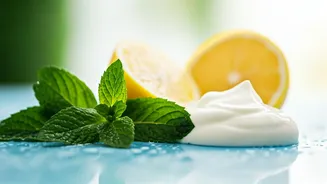
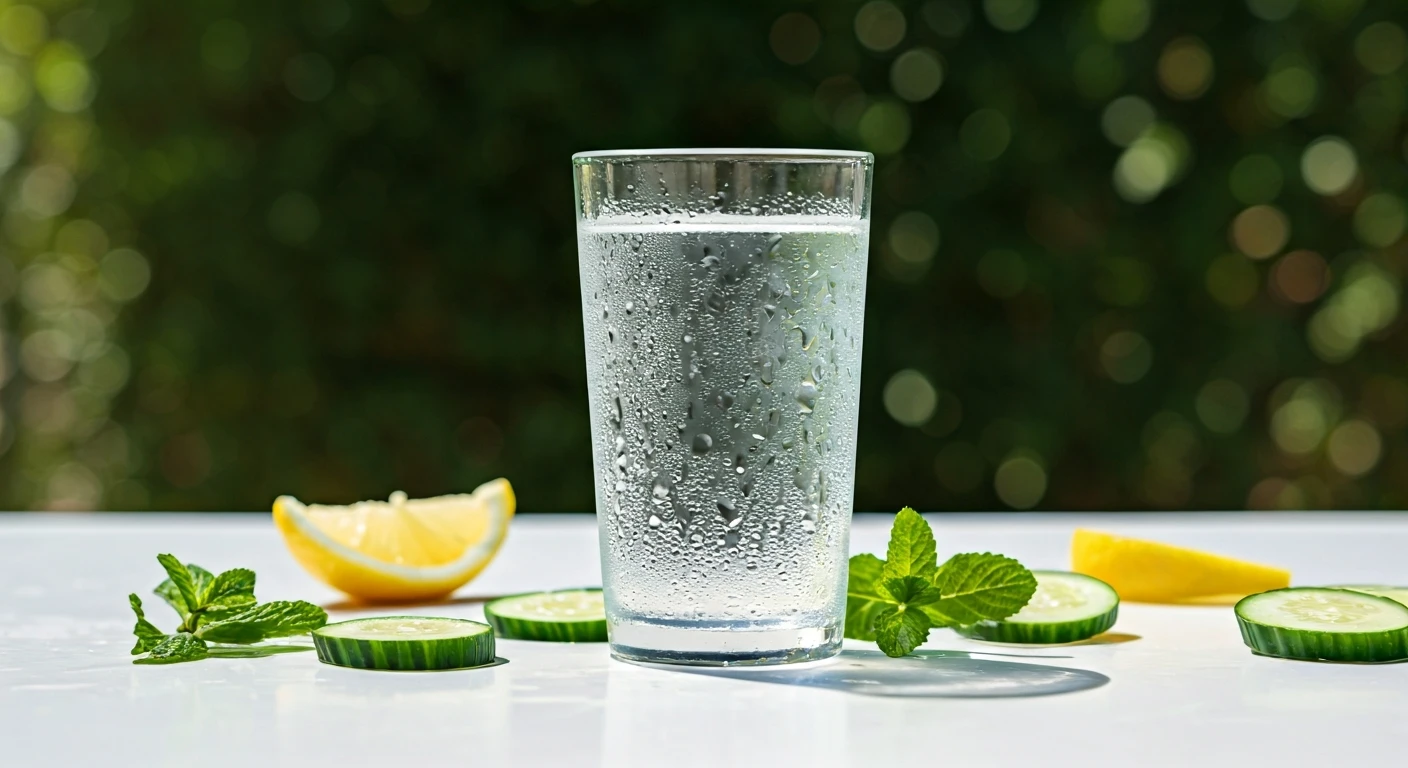
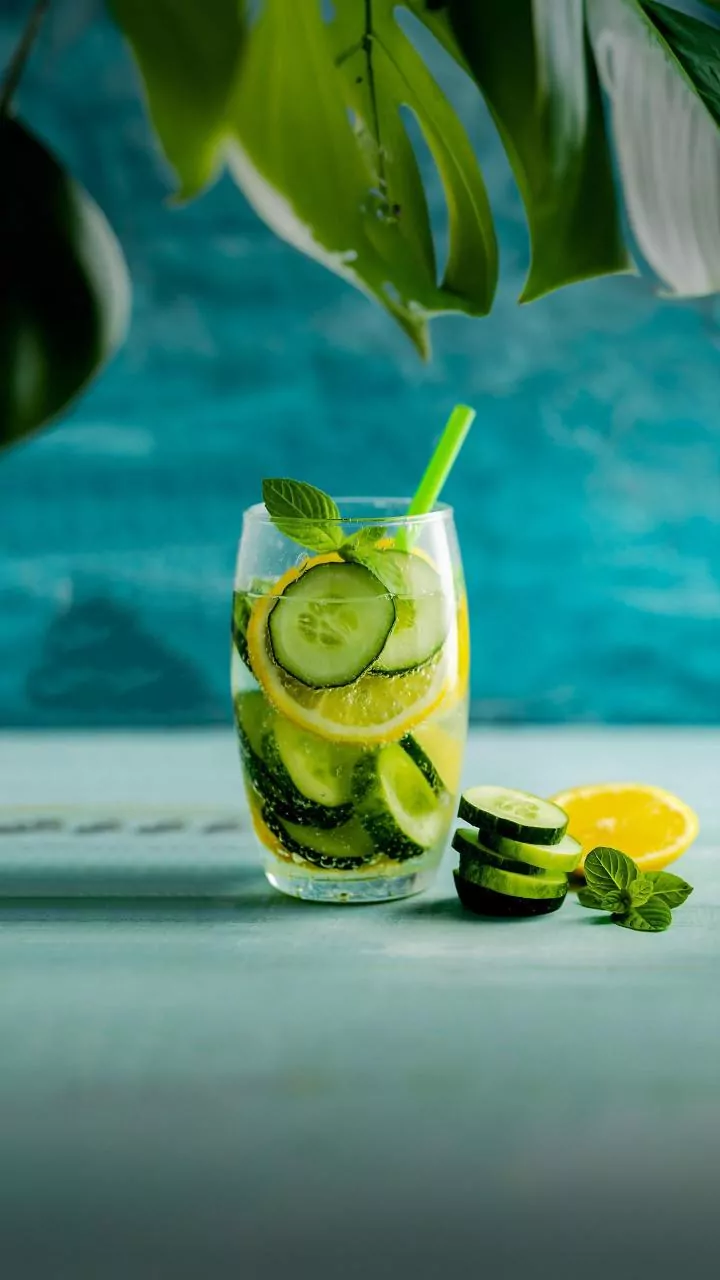
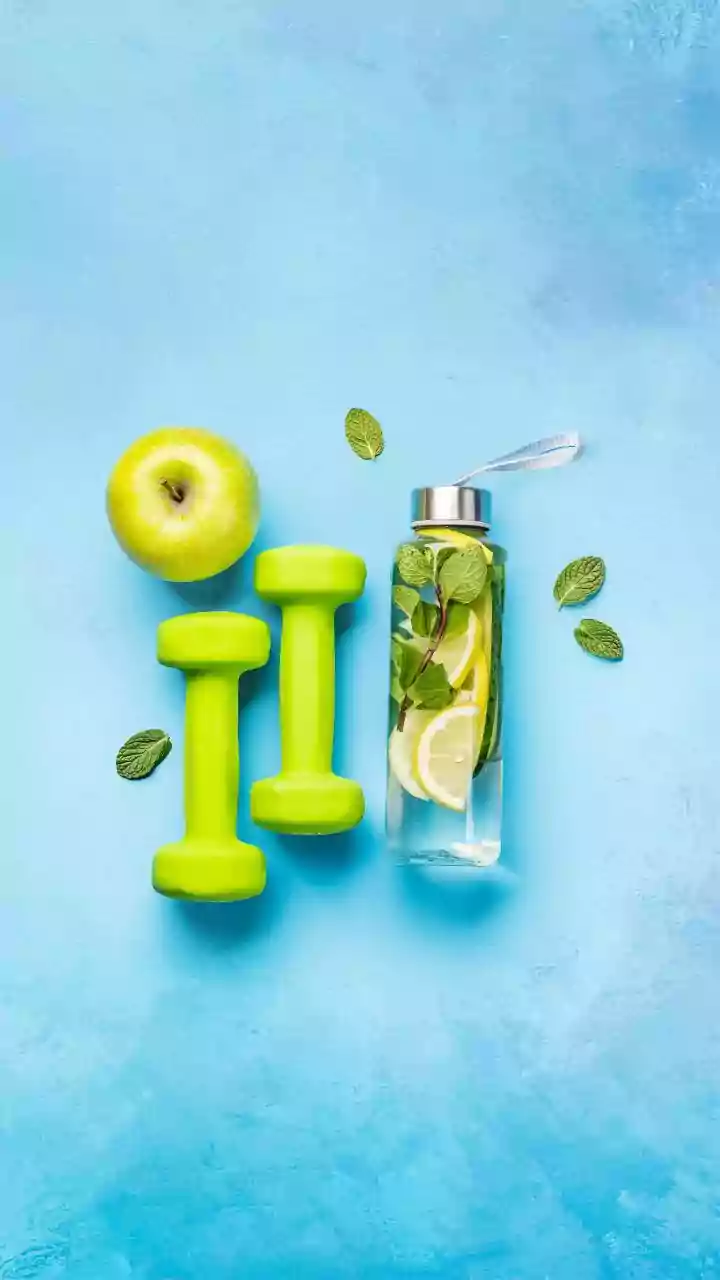
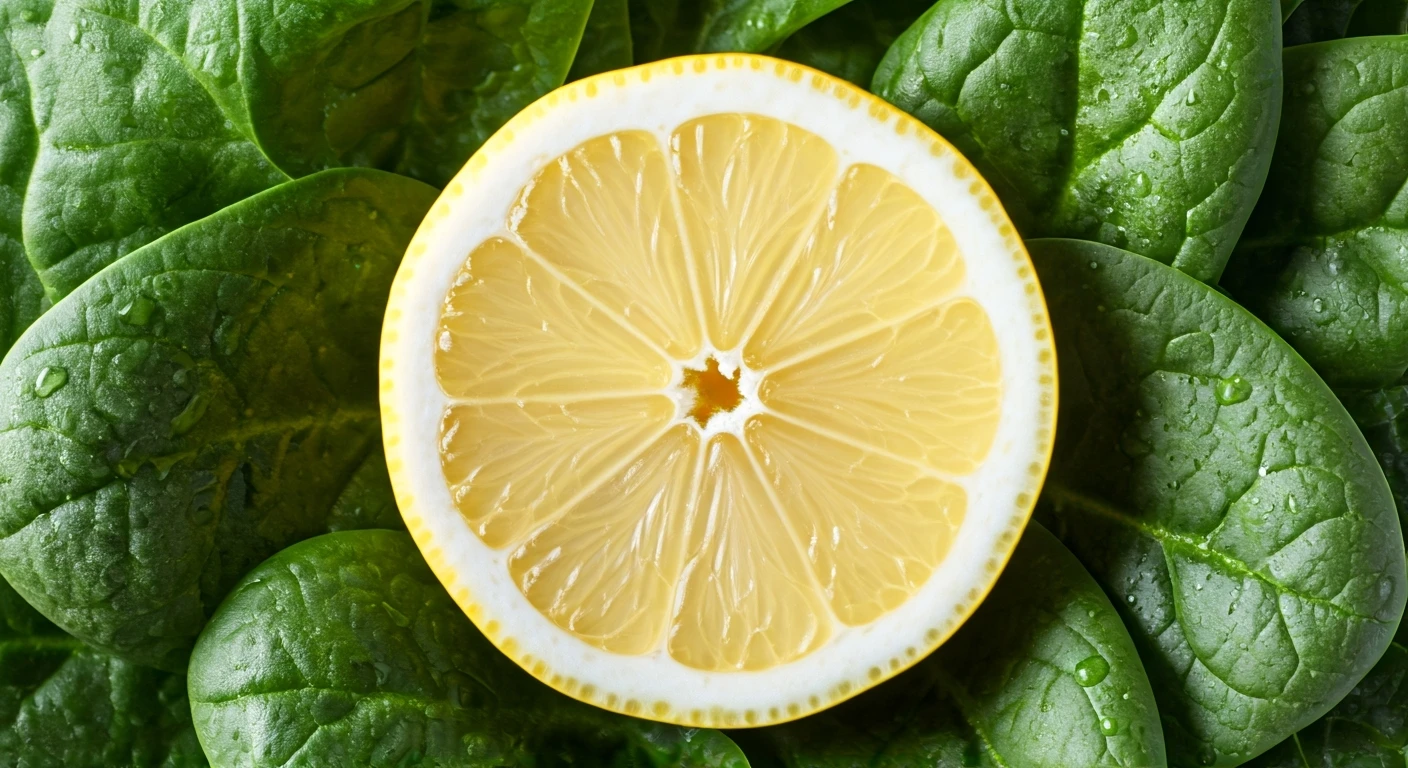
Let’s be honest: for some, plain water is just plain boring. If you struggle to drink enough because you find it unappealing, don’t force it—flavor it. Instead of reaching for sugary sodas, juices, or sports drinks, which can come with a heavy dose of empty calories and sugar, create your own healthy infusions. It’s incredibly simple: just add slices of citrus (lemon, lime, orange), crushed mint leaves, chunks of fresh ginger, or a handful of berries to a pitcher of water. Let it sit in the fridge for a few hours to allow the flavors to meld. Not only does this make your water more enjoyable to drink, but it can also add a subtle boost of vitamins. Sparkling water with a squeeze of fresh lime is another excellent way to add some excitement without adding sugar.
Replenish Your Electrolytes Wisely
When you sweat, you don't just lose water; you also lose essential minerals called electrolytes, such as sodium, potassium, and magnesium. These are vital for nerve function, muscle contraction, and maintaining fluid balance. For most daily activities, you can replenish electrolytes through your normal diet. However, if you’re exercising intensely for more than an hour, working outside in extreme heat, or have been sick, you may need to make a more conscious effort to replace them. You don’t necessarily need a commercial sports drink. Natural sources like coconut water are rich in potassium. A banana, a handful of salted pretzels, or a glass of milk can also effectively help restore your electrolyte balance. The key is to be mindful of your activity level and sweat loss, replenishing with intention when necessary.