





From Aesthetics to Athletics
For decades, the dominant gym narrative, particularly for women, was about reduction: losing weight, shrinking sizes, and taking up less space. The future, however, looks different. The 'strong, not skinny' ethos reframes the entire purpose of exercise.
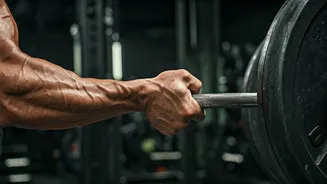
It’s a shift from viewing the body as an ornamental object to be sculpted and minimized, to seeing it as a powerful machine to be honed and respected. This isn't about aesthetics disappearing entirely, but about them becoming a byproduct of performance, not the primary goal. The new aspiration isn't a specific dress size; it's the ability to deadlift your own body weight, execute a perfect pull-up, or simply carry all your groceries in one trip without a second thought. It's about what your body can *do*, not just how it looks.
The Backlash to 'Effortless' Thinness
This movement isn’t happening in a vacuum. It's a direct and powerful cultural counter-response. On one side, you have the recent, unsettling buzz around weight-loss drugs like Ozempic, which promotes a vision of thinness achieved passively, almost medically. On the other, you had the brief but potent revival of Y2K 'heroin chic' aesthetics that celebrated a fragile, waifish look. The 'strong' movement rejects both. It champions the visibility of effort, the beauty in muscle, and the satisfaction of building something tangible through hard work and consistency. It’s a declaration that health isn't about being effortlessly thin; it's about being effortfully, powerfully well. People are tired of feeling weak, and they're claiming strength as an act of rebellion against a culture that often seemed to prefer they didn't.
What 'Strong' Looks Like in the Gym
Walk into a gym in 2026, and you'll see this mood shift in action. The cardio section, once the packed epicenter, now shares the spotlight with the weight room—and that weight room is more diverse than ever. Women are no longer relegated to the 5-pound pink dumbbells. They're in the squat racks, on the bench press, and mastering Olympic lifts. The focus is on compound movements that build functional strength: squats, deadlifts, overhead presses, and rows. These exercises engage multiple muscle groups, improve bone density, and translate directly to real-world capabilities. Alongside heavy lifting, functional fitness styles like CrossFit, Hyrox, and specialized strength and conditioning classes are booming. They combine strength, endurance, and skill, turning workouts into empowering tests of overall athleticism rather than a simple calorie burn.
The New Mental Gains
Perhaps the most profound shift is mental. Chasing 'skinny' is often a frustrating, self-critical process tied to external validation and arbitrary numbers. Chasing 'strong,' however, is a journey of internal progress. The victories are concrete and measurable in a way that goes beyond the scale. The first time you lift a new personal record, you feel an undeniable sense of accomplishment that has nothing to do with societal beauty standards. This process builds not just physical resilience, but mental fortitude. It teaches discipline, patience, and the power of incremental progress. This mindset extends beyond the gym, fostering a sense of agency and self-efficacy. When you know you can physically overcome a challenge you once thought impossible, it changes your perception of what else you might be capable of achieving.