





The Allure of the Downpour
For most cyclists, a forecast of torrential rain is a reason to cancel plans. But for a growing community in western India, it’s an invitation. From June to September, the monsoon sweeps across Maharashtra, transforming the sun-scorched, dusty hills of the Western
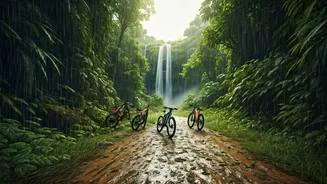
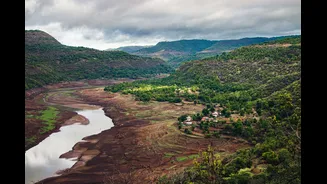
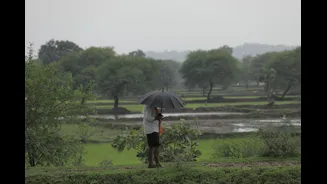
Ghats into a spectacle of impossible green. This is the landscape thousands of riders eagerly pedal into, clad in rain gear, their tires kicking up rooster tails of water. The goal isn’t to stay dry; it’s to become part of the storm. The appeal is sensory and almost spiritual. The air, thick with the smell of wet earth and petrichor, is suddenly cool after months of oppressive heat. The world is washed clean, revealing vibrant hues of emerald and jade. The sound isn't just the hum of tires on asphalt but a symphony of dripping leaves, rushing streams, and the steady drumming of rain on a helmet. For these cyclists, riding in the monsoon is not about enduring bad weather—it's about experiencing the landscape when it’s most alive.
A Community Forged by Rain
This isn’t a pursuit for lone wolves. The monsoon riding phenomenon is driven by a strong sense of community. Cycling clubs in cities like Mumbai, Pune, and Nashik, which sit on the doorstep of the Ghats, are the engines of this movement. They organize weekend rides ranging from 30-mile jaunts to multi-day, 100-plus-mile epics. These aren’t grim-faced endurance tests; they are rolling celebrations. The shared challenge of navigating wet, sometimes tricky roads builds a unique camaraderie. A flat tire in a downpour becomes a team effort. A steep, misty climb is conquered with group encouragement. The rides are punctuated by essential pit stops that are as much a part of the culture as the cycling itself. Groups huddle under tin-roofed shacks at the side of the road, warming their hands on glasses of steaming, milky chai and refueling with hot, crispy snacks like vada pav (a spiced potato fritter in a bun) or onion pakoras. It’s here, laughing and dripping wet, that the bonds of the community are sealed.
The Green Tunnels and Waterfalls
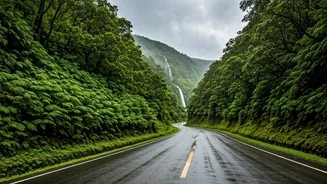
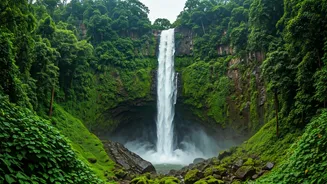
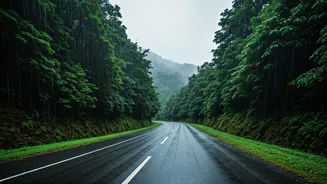
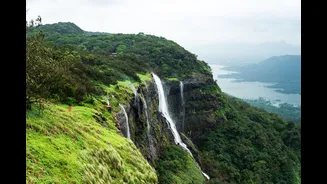
The routes themselves are the main characters in this story. Cyclists head for the ghats—the mountain passes that wind through the Sahyadri range. Popular destinations like Lonavala, Malshej Ghat, and the roads around the Bhandardara dam become playgrounds. Riders pedal through what they call “green tunnels,” where the canopies of trees on both sides of the road are so dense and lush they block out the sky. Mist hangs low in the valleys, obscuring the view one moment and revealing a breathtaking panorama the next. The most dramatic feature is the water. During the monsoon, the mountainsides come alive with countless temporary waterfalls. What are dry cliffs for nine months of the year suddenly become cascades of white water, spilling directly onto the road. Cyclists ride right through them, a refreshing, shocking-cold blast that washes away the grime and fatigue of the climb. It’s an interactive experience with nature that’s impossible to find at any other time of year.
Embracing the Challenge
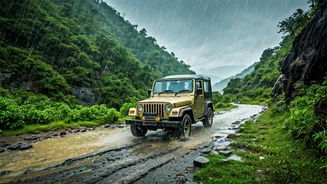
Of course, the experience isn’t without its difficulties. Monsoon riding requires preparation and a healthy respect for the conditions. Roads can be slippery, and potholes are often hidden beneath puddles. Visibility can drop to near zero in heavy fog or rain. Cyclists must have reliable bikes with good brakes, waterproof panniers for their gear, and proper lighting. The physical demand is also greater; pushing through rain and wind requires extra stamina. Yet, for participants, overcoming these challenges is integral to the appeal. It adds a layer of genuine adventure to a weekend ride. It’s a test of skill, endurance, and spirit. Reaching the summit of a climb, soaked to the bone but rewarded with a view of a rain-filled valley below, offers a profound sense of accomplishment. It’s a feeling that a perfect, sunny day simply can’t replicate.