






Inspect Your Roof and Drainage
The first downpour of the season is not the time to discover a leak. Before the clouds build, take a day in June to inspect your roof for damaged or missing tiles and shingles. Even small vulnerabilities can become major water entry points during a torrential
monsoon storm. While you’re up there, or hiring someone who is, clear your gutters and downspouts. A year’s worth of leaves and debris can create blockages that cause water to overflow and pool against your home’s foundation or seep under the eaves. Ensuring water can flow freely away from your house is one of the most effective steps you can take to prevent costly water damage.
Secure the Landscape
Monsoon storms are defined by more than just rain; they bring powerful, localized microbursts of wind that can turn unsecured yard items into dangerous projectiles. Walk your property and look for potential hazards. Patio furniture, umbrellas, trampolines, and even large potted plants should have a plan for being tied down or brought indoors. Now is also the ideal time to have trees professionally inspected and trimmed. Dead or weak branches are easily snapped off in high winds, posing a threat to your home, vehicles, and power lines. A little proactive pruning can prevent a major headache in mid-July.
Prepare for Flooding
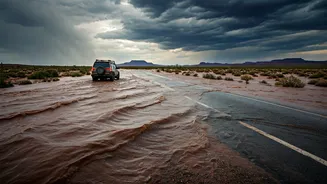
Flash floods are the most dangerous aspect of the monsoon. The bone-dry desert soil can’t absorb intense rainfall quickly, leading to rapid and powerful runoff, especially in low-lying areas and washes. Identify the natural water flow on and around your property. Clear any debris from drainage ditches or small gullies that help guide water away. For homes in known flood-prone zones, having a supply of sandbags on hand is a wise investment. You can often get them from local fire departments or home improvement stores, but don't wait until a storm is bearing down and supplies are scarce. A few well-placed sandbags can divert water from doorways and garage entrances.
Embrace the 'Growth'
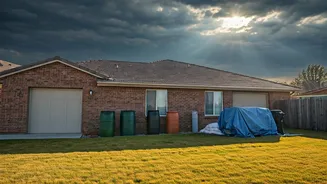
The headline isn’t just a metaphor; the monsoon is the key to life in the desert. This is your chance to plan for growth in your garden. If you have a rainwater harvesting system, make sure the tanks are clean and the filters are clear. If you don't, consider positioning a few barrels to capture runoff from your roof—your native plants will thank you for it. June is also a good time to ensure your landscape is monsoon-ready. Check that your irrigation system is off to avoid watering during a downpour and ensure your most delicate plants are protected from potentially damaging winds and hail. Preparing your garden to receive the rain allows you to benefit from the season’s bounty.
Build Your Haboob and Outage Kit
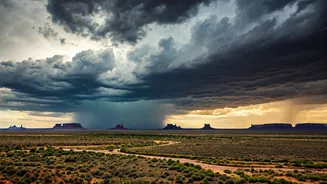
Dust storms, or haboobs, often precede the rain, bringing a massive wall of dust that can reduce visibility to zero and wreak havoc on air quality. Have high-quality air filters ready for your HVAC system and know how to seal windows and doors. The storms also frequently cause power outages. Your June planning should include assembling an emergency kit with flashlights, fresh batteries, a portable charger for your phone, a first-aid kit, and a multi-day supply of any necessary medications. Having at least a gallon of water per person per day stored away is also crucial, especially in the event of a prolonged outage during the summer heat.
Review Your Driving Smarts
Many states in the Southwest have a version of the "Stupid Motorist Law," which holds drivers financially responsible for the cost of their rescue if they drive around barricades and get stuck in a flooded roadway. Never, ever drive through a flooded wash. It takes just a few inches of moving water to sweep a vehicle away. When a storm hits, the best course of action is to postpone travel. If you are caught on the road, pull over to a safe, high-ground location and wait for the storm to pass. A ten-minute delay is infinitely better than becoming a statistic.