



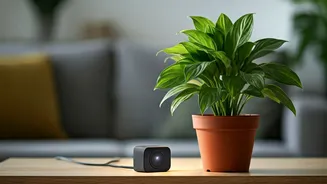



The Myth: A Natural Dehumidifier
The claim is incredibly appealing: place a peace lily in a damp bathroom or basement, and it will instantly soak up excess moisture, leaving the air fresh and dry. This idea has spread across social media and home blogs, positioning the plant as a green,
living alternative to a loud, energy-guzzling dehumidifier. For anyone dealing with that persistent muggy feeling in a poorly ventilated space, the promise of a simple, beautiful, and silent solution is almost irresistible. But in the world of home science, things that sound too good to be true often are.
The Reality: Plants Add Humidity
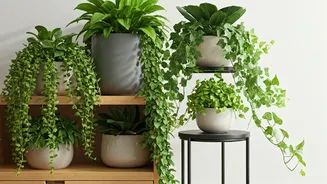
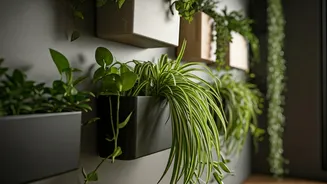
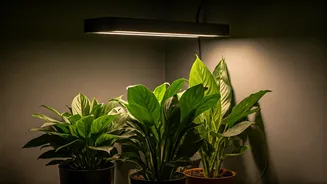
Here's the botanical truth that turns this myth on its head: plants, including peace lilies, release moisture into the air. The process is called transpiration. They draw water up from the soil through their roots and then release about 97% of it as water vapor through tiny pores in their leaves. While they do absorb a tiny amount of water from the air, the net effect is an increase in ambient humidity, not a decrease. A single peace lily won't turn your room into a sauna, but it is scientifically contributing to the moisture in the air, not removing it. This is why grouping houseplants together is a common trick to create a more humid microclimate for tropical species that need it.
The Claim: A Powerful Air Purifier
This part of the peace lily's reputation comes from a credible source: a 1989 NASA Clean Air Study. The study found that peace lilies could remove airborne toxins like benzene, formaldehyde, and trichloroethylene from a sealed environment. This is technically true, and it’s a fascinating discovery. However, the context is crucial. The NASA experiments were conducted in small, sealed chambers—not in a typical American home with drafts, open doors, and constant air exchange. Subsequent research has shown that to replicate NASA’s results in an average room, you would need a literal jungle. We're talking hundreds, if not thousands, of plants. So, while your peace lily isn't harming your air quality, it's not a substitute for good ventilation.
The Real Magic of the Peace Lily
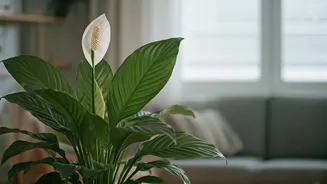
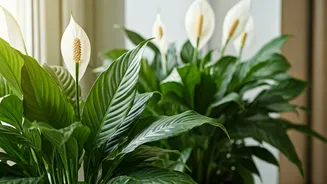
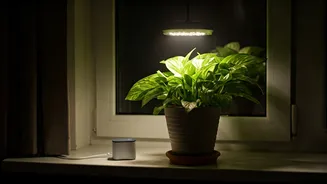
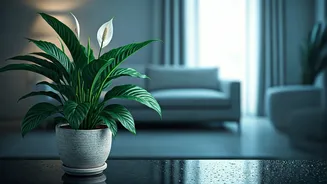
So, if it’s not a dehumidifier or a powerful air filter, why should you get a peace lily? Because it's a fantastic houseplant for other, more practical reasons. First, it’s stunning. Its glossy dark leaves and elegant white spathes (the flower-like hoods) bring a touch of sophisticated calm to any room. Second, it's remarkably tolerant of low-light conditions, making it perfect for north-facing windows or interior rooms. Finally, it’s a great communicator. The peace lily is famous for dramatically drooping when it’s thirsty, taking all the guesswork out of your watering schedule. Give it a drink, and it will perk back up within hours. This visual cue makes it an excellent choice for beginners who are learning to read a plant’s needs.
How to Actually Combat Room Dampness
If your goal is to genuinely reduce humidity, you need the right tools for the job. Start with ventilation: open windows daily, even for just 15 minutes, to allow moist air to escape. Use exhaust fans in kitchens and bathrooms religiously. For persistent dampness, a plug-in dehumidifier is the most effective solution. These appliances are designed specifically to pull gallons of water from the air. In smaller, enclosed spaces like closets or cabinets, you can use renewable silica gel packs or disposable moisture absorbers that trap water without needing electricity. These methods, combined with checking for and fixing any potential leaks, are the real secrets to combating dampness.