



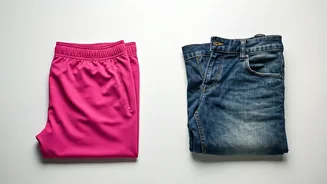

From Cotton Woes to Tech Triumphs
For decades, the traveler’s staple was cotton. It’s comfortable, breathable, and familiar. But it has a critical flaw for anyone on the move: it absorbs moisture and holds onto it for dear life. A rain-soaked cotton t-shirt can take a full day to dry,
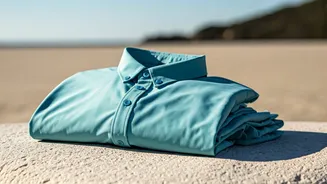
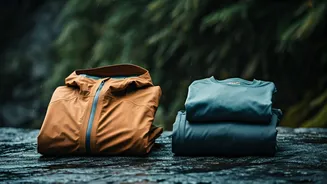
and a sweaty one can turn sour in your luggage. This is where the “glow-up” begins. Quick-dry clothing is engineered to do the opposite. Made from synthetic fibers like polyester and nylon, or natural wonders like merino wool, these fabrics are hydrophobic. Instead of absorbing water, they use a process called wicking to pull moisture from your skin to the fabric’s surface, where it can evaporate rapidly. This isn’t just a minor improvement; it’s a fundamental change in how your clothes interact with water, sweat, and humidity, making them vastly more suited for the unpredictable nature of travel.
The Freedom of the Hotel Sink
The true magic of quick-dry clothing reveals itself at the end of a long day of exploring. It unlocks the holy grail of minimalist travel: the ability to reliably wash your clothes in a hotel sink and have them be bone-dry by morning. This simple act liberates you from the tyranny of the oversized suitcase. Instead of packing seven shirts for a seven-day trip, you can pack two or three. A quick lather with a travel-sized soap, a good rinse, and a wring-out is all it takes. Hung over a shower rod or on a travel clothesline, a polyester shirt or pair of nylon pants will often be dry in a few hours, ready for another day of wear. This capability means you can travel for weeks with just a carry-on, navigating train stations and cobblestone streets without being weighed down. It’s a paradigm shift from ‘packing for every possibility’ to ‘packing for ultimate flexibility.’
More Than Just Drying Fast
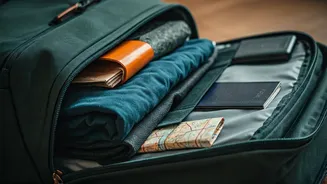
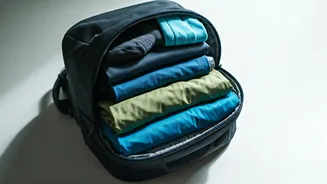
While the “quick-dry” name gets top billing, the associated benefits are just as transformative. These technical fabrics offer a suite of travel-friendly features. Firstly, they are remarkably wrinkle-resistant. You can roll them into a tight ball, stuff them into a packing cube, and pull them out hours later looking fresh and ready to wear. This eliminates the need to hunt for an iron or sport the rumpled “I’ve been living out of a suitcase” look. Secondly, many quick-dry fabrics, particularly merino wool, are naturally odor-resistant. The fibers inhibit the growth of odor-causing bacteria, meaning you can often wear a shirt multiple times before it needs a wash, further reducing your laundry burden. Finally, they are lightweight and highly compressible, taking up a fraction of the space and weight of their cotton or denim counterparts. This collective of features is what constitutes the true glow-up: your clothes aren’t just drying faster, they’re working smarter.
A Quick Guide to Materials
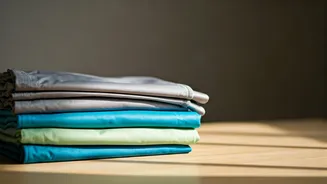
Navigating the world of performance fabrics can feel technical, but it boils down to a few key players. Polyester is the workhorse: durable, affordable, and excellent at wicking moisture. It’s the most common fabric in travel and athletic wear for good reason. Nylon is its slightly more premium cousin, known for its exceptional strength-to-weight ratio and soft feel. It’s often used in travel pants and high-end shirts for its durability and comfort. Then there’s merino wool, the natural fiber champion. It’s not the scratchy wool of holiday sweaters; it’s an ultrafine fiber that is incredibly soft, regulates temperature in both hot and cold weather, and boasts legendary odor resistance. While it’s typically the most expensive option and may dry slightly slower than synthetics, its all-around performance makes it a favorite among discerning travelers. Choosing the right one depends on your budget and priorities, but all three offer a massive upgrade over traditional travel clothing.