

Think Vertically, Not Horizontally
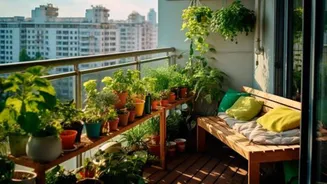
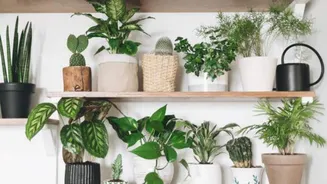
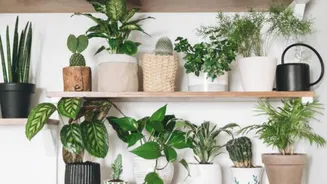
The number one rule of small-space living applies to plants, too: when you can’t build out, build up. Vertical gardening is your best friend. This can be as simple as installing a trellis for climbing plants like peas, beans, or a flowering vine like clematis.
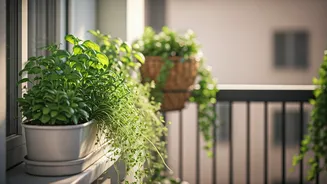
Tiered plant stands can turn a single square foot of floor space into a multi-level home for herbs and strawberries. Wall-mounted pocket planters are perfect for creating a living wall of lettuce, succulents, or flowers. Even hanging baskets, suspended from an awning or ceiling hook, make use of empty air space, allowing you to grow trailing plants like cherry tomatoes or petunias without sacrificing a single inch of your patio.
Choose Compact Plant Varieties
Not all plants are created equal. A sprawling, indeterminate tomato variety that wants to take over a 10-foot patch of soil is a poor choice for a pot. But plant breeders have developed a huge range of 'dwarf,' 'patio,' or 'bush' varieties specifically for containers. Look for 'Tumbler' tomatoes that cascade beautifully from hanging baskets, 'Spacemaster' cucumbers that stay contained, and bush-type zucchini that won't swallow your entire balcony. The same goes for fruit; dwarf citrus trees and columnar apple trees can thrive in large pots, giving you a surprising harvest from a tiny footprint. Always check the plant tag for its mature size before you buy.
Mix Your Edibles and Ornamentals
This is where 'practical' meets 'adorable.' A purely functional vegetable garden can sometimes look a bit sparse, but mixing in flowers creates a lush, beautiful, and beneficial arrangement. This technique, known as companion planting, can also help deter pests. Tuck marigolds in with your tomatoes. Let fragrant, flowering thyme spill over the edge of a pot containing bell peppers. Plant chives, with their lovely purple puffball flowers, next to your carrots. The flowers add pops of color and attract pollinators like bees, which will increase the yield of your fruiting plants. The result is a container that looks like a high-end floral arrangement but is also producing your dinner.
Master the Art of the Container
A great container garden follows a simple design principle: 'thriller, filler, and spiller.' The 'thriller' is a tall, eye-catching plant in the center, like a purple fountain grass or a determinate tomato plant in a cage. 'Fillers' are mounded plants that surround the thriller, like basil, parsley, or coleus. 'Spillers' are trailing plants that cascade over the sides of the pot, like creeping Jenny or 'Wave' petunias. This formula creates a full, professional look. Also, don't skimp on pot size. While small pots are cute, they dry out quickly and restrict root growth. A larger pot holds more soil and moisture, creating a more stable and forgiving environment for your plants to thrive.
Create a Windowsill Herb Farm
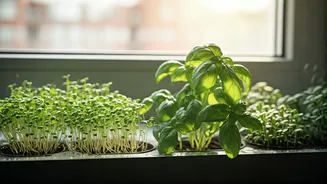
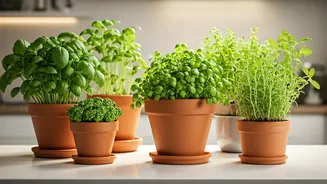
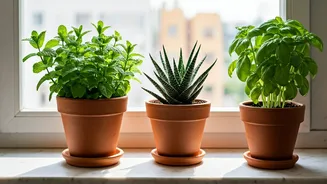
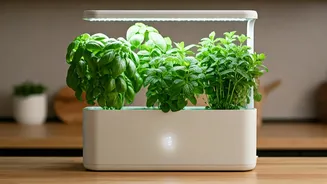
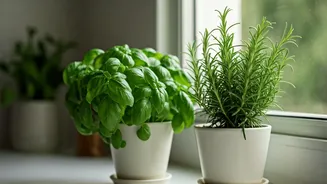
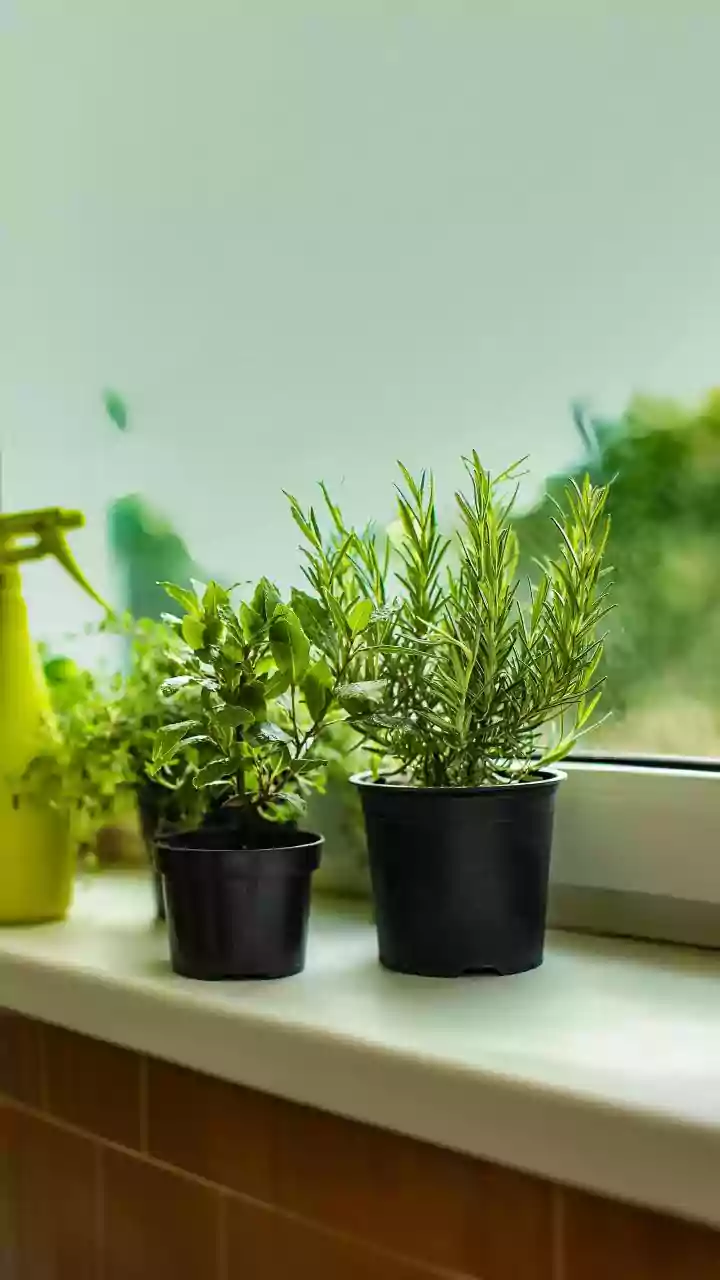
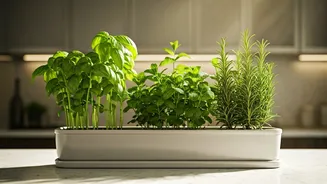
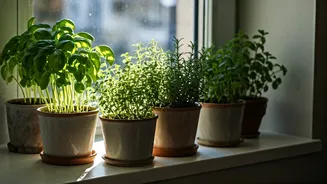
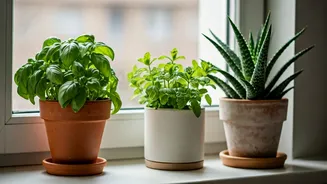
Don't have any outdoor space at all? You can still have a garden. A sunny windowsill is prime real estate for an indoor herb collection. Basil, mint, rosemary, parsley, and chives can all thrive indoors with enough light (a south-facing window is ideal). They are relatively low-maintenance and provide an incredible return on investment; a single sprig of fresh basil can elevate a simple pasta dish. For an even easier entry point, try growing microgreens. You just need a shallow tray, some soil, and a packet of seeds. In a little over a week, you can be snipping nutrient-packed, flavorful greens to top salads, sandwiches, and soups.
Accessorize for That 'Adorable' Factor
The final touch is in the details. The 'adorable' quality of a small garden often comes from the personality you inject into it. Ditch the boring plastic labels and opt for cute, hand-painted stone markers or stamped copper tags. Invest in a stylish, long-spouted watering can that you don't mind leaving out on display. Choose pots and planters that match your home's decor, whether that’s rustic terracotta, sleek modern ceramic, or colorful glazed pottery. A cohesive color scheme or a playful mix-and-match approach can turn a simple collection of plants into a deliberate and charming design feature.