






Fight the 'Desk Body'
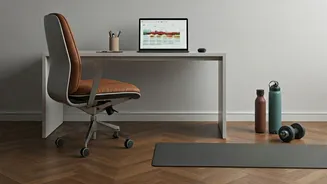
The default posture of the modern freelancer is a gentle curve toward the screen. This sedentary reality leads to a host of physical ailments often nicknamed the 'desk body': tight hips, a weak core, rounded shoulders, and persistent lower back pain.
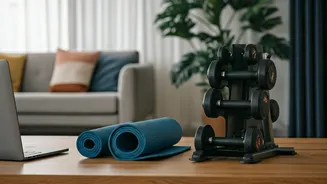
These aren't just minor annoyances; they're chronic issues that sap your energy and ability to focus. Your body is your primary business asset. Letting it degrade is a poor long-term strategy. You don't need to become a professional athlete. Start by integrating simple 'anti-desk' movements. Focus on exercises that open the chest (rows, band pull-aparts), strengthen the posterior chain (glute bridges, deadlifts), and improve core stability (planks). Even 15 minutes of targeted mobility work per day can counteract eight hours of sitting, keeping you physically capable of handling your workload without pain.
Manufacture Your Own Energy
In a traditional office, the environment provides a certain momentum. Colleagues are working, deadlines are public, and a manager might be checking in. As a freelancer, you are your own boss, motivator, and power source. That requires a tremendous amount of self-generated energy. Sleep and coffee can only take you so far. Regular physical activity is one of the most effective ways to increase your baseline energy levels. A morning workout, even a brisk walk, can boost endorphins and improve blood flow to the brain, setting you up for a more focused and productive day. When the 2 p.m. slump hits, a quick set of squats or a short jog can be more effective than another espresso. Think of exercise not as something that spends energy, but as an investment that creates it.
Create Structure in a Structureless Day
The freedom of a flexible schedule is a double-edged sword. Without the fixed markers of a 9-to-5 commute and lunch break, days can easily blur together. Work can bleed into personal time, and a lack of routine can lead to anxiety and inefficiency. A fitness schedule is a powerful anchor. Scheduling a 7 a.m. run, a noon gym session, or a 6 p.m. yoga class forces you to create boundaries. It carves out non-negotiable personal time, forcing you to be more efficient with your work hours. This structure isn't a restriction; it's a framework for freedom. By committing to a physical appointment with yourself, you build the discipline needed to manage the rest of your unstructured time effectively, preventing the 'always on' mentality that leads to burnout.
Break the Isolation Bubble
Freelancing can be profoundly lonely. The daily camaraderie of an office—the casual chats, the shared lunches, the after-work drinks—disappears. While you can connect with clients and colleagues over Zoom, it doesn't replace genuine human interaction. This social isolation is a significant risk factor for mental health struggles. Fitness offers a direct solution. Joining a gym, a running club, a CrossFit box, or a group yoga class instantly places you in a community of like-minded people. It's a third space—not home, not work—where you can build low-stakes social connections. Even the simple act of nodding to the same faces at the gym every morning creates a sense of belonging and reminds you that you're part of a world outside your home office.
Build Resilience Against Uncertainty
The freelance life is a rollercoaster. You're constantly navigating client demands, chasing invoices, and managing the anxiety of an unpredictable income stream. This chronic stress can take a massive toll on your mental health. Exercise is a potent tool for stress management and mental resilience. Physical exertion helps metabolize stress hormones like cortisol and adrenaline. It also stimulates the production of endorphins, the body's natural mood elevators. More importantly, consistently pushing yourself through a tough workout builds mental fortitude. The confidence you gain from lifting a heavier weight or running a longer distance translates directly to your work. It teaches you that you can handle discomfort and push through challenges—a crucial mindset for surviving, and ultimately thriving, in the unpredictable world of flexible work.