




The Desert You Think You Know
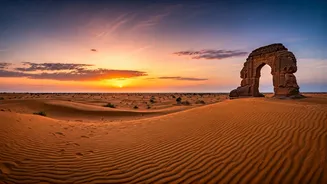
For most of the year, Jaisalmer lives up to its desert stereotype. Perched on a ridge of yellowish sandstone, the ancient fort glows under a relentless sun, its walls and ramparts baking in temperatures that can soar well over 100°F. The surrounding Thar
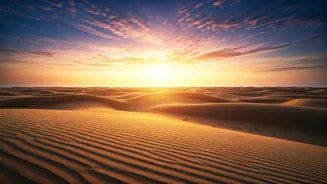
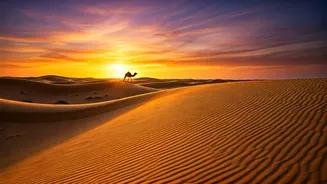
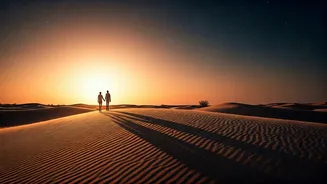
Desert is a vast expanse of sand and scrub, beautiful but unforgiving. Tourists flock here in the cooler, drier winter months to wander the labyrinthine lanes, ride camels into the sunset, and marvel at a city that seems to rise organically from the arid landscape. By April and May, the heat becomes oppressive, emptying the streets and sending a silent, sleepy lull over the city. This is the Jaisalmer of postcards and popular imagination: magnificent, historic, and intensely hot.
When the Sky Cracks Open
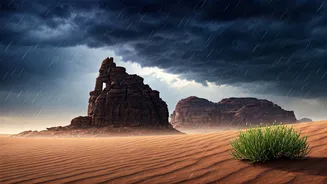
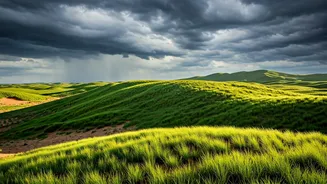
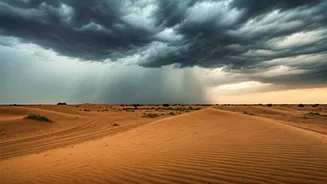
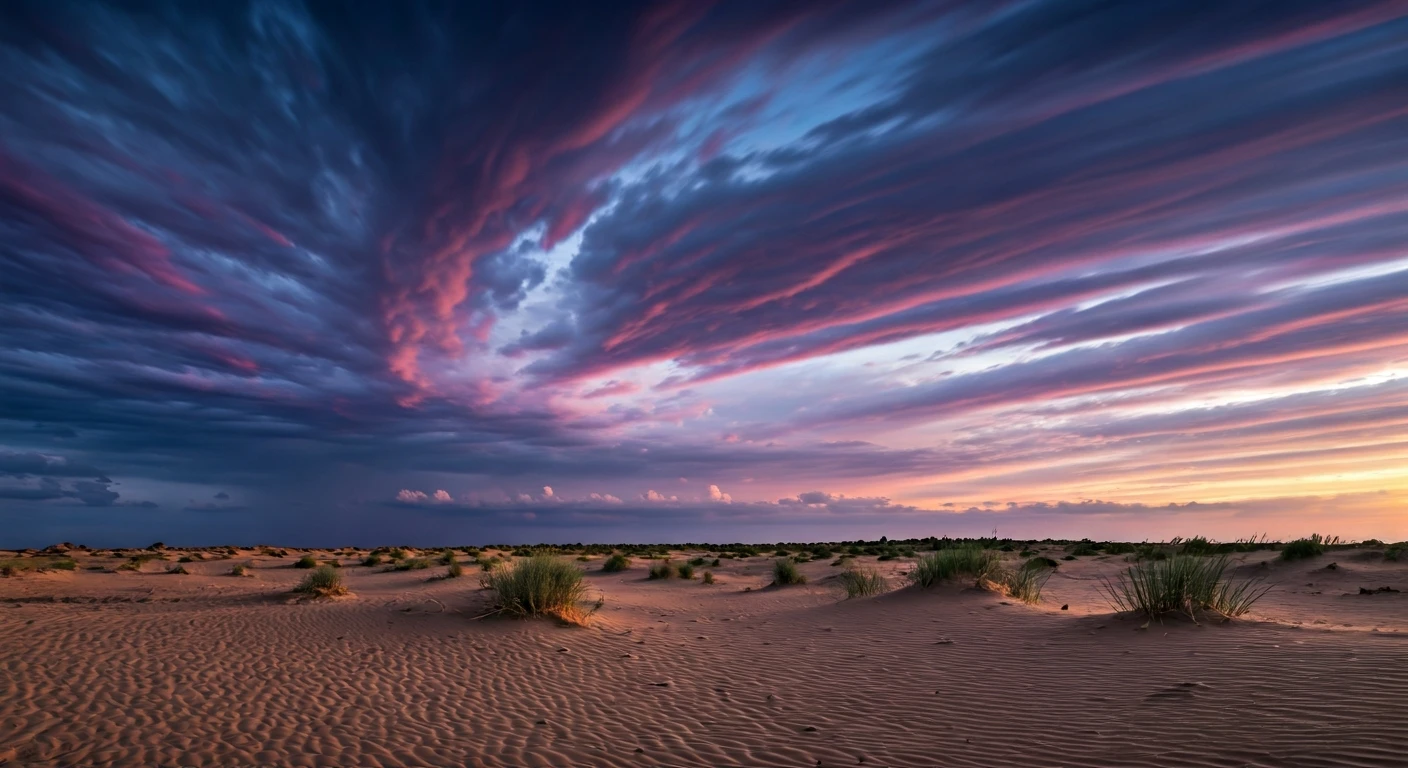
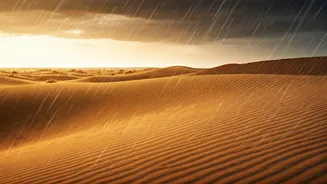
Then comes the monsoon. Sometime around July, the dynamic shifts entirely. It doesn't bring the ceaseless, weeks-long deluge you might find elsewhere in India. Here in the desert, the rain is an event. The sky, once a pale, hazy blue, turns a bruised purple-gray. Clouds build on the horizon with theatrical speed, and a cool wind kicks up, carrying the first tantalizing scent of moisture. When the rain finally falls, it’s often in a dramatic, short-lived downpour. The moment those first drops hit the parched earth and hot stone, the air fills with petrichor—that intoxicatingly earthy perfume of rain on dry soil. For locals and the few travelers in the know, this is a moment of pure relief and celebration. The entire city seems to take a collective, contented breath.
A City Washed Clean
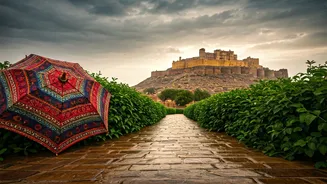
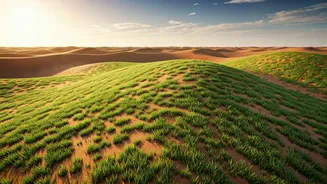
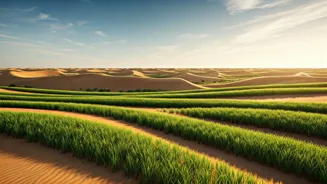
The aftermath of a monsoon shower is when Jaisalmer truly shows off. The legendary golden sandstone, rinsed of its dust, gleams with a renewed, deeper luster. Puddles in the courtyards reflect the dramatic, clearing sky. The oppressive heat breaks, and evening temperatures can plummet into the high 70s or low 80s—a welcome reprieve that feels almost luxurious. Beyond the city walls, the desert undergoes its own quiet transformation. The desolate scrubland blushes with a surprising, ephemeral coat of green. Wildflowers, dormant for months, suddenly burst into bloom, dotting the landscape with unexpected color. It’s a fleeting spectacle, a testament to the resilience of life in one of the world's most arid regions.
The Savvy Traveler’s Reward
Visiting Jaisalmer during the monsoon is the ultimate off-season power move. The crowds of peak season are gone, replaced by a quiet, more intimate atmosphere. You can explore the magnificent fort and its ornate *havelis* (traditional mansions) without jostling for space, allowing you to absorb the history at a slower, more contemplative pace. Rooftop cafes, which are often too hot to enjoy in the summer, become perfect perches for watching thunderstorms roll across the desert. It’s a humbling, spectacular light show that no firework display can rival. Furthermore, this is the budget-friendly season. Hotel rates are often slashed, and you can find incredible deals on accommodations that would be booked solid in December. You trade the guarantee of clear skies for a more dramatic, authentic, and comfortable experience of desert life.