



More Than Just a Snack
For decades, the rhythm of the Indian workday was marked by the 'chai-samosa' break. But a quiet revolution is unfolding in office pantries, where the humble, fried pastry is now competing with a sleek, new rival: the protein bar. To understand the shift,
you first have to appreciate what the samosa represents. In the ecosystem of corporate India, it was never just about a quick bite. The samosa, a deep-fried pastry filled with spiced potatoes and peas, is an institution. It’s cheap, delicious, and communal. The call for 'chai and samosas' signaled a collective pause—a chance for colleagues to gather, gossip, and decompress. It was a social ritual wrapped in a crispy, golden-brown shell, the South Asian equivalent of gathering around the office water cooler, but with infinitely more flavor. This tradition cemented bonds and offered a welcome, carb-heavy comfort from the pressures of the workday. For years, its place in the corporate hierarchy was as secure as the CEO's.
The Global Wellness Wave Arrives
The primary driver of the samosa’s declining dominance is the global wellness movement, which has firmly taken root among India’s urban professionals. The modern Indian white-collar worker is more educated about nutrition, more exposed to global fitness trends via social media, and increasingly anxious about the health risks associated with a sedentary office lifestyle. Calorie-counting apps, gym memberships, and marathon training are no longer niche pursuits but status symbols for an aspirational middle class. In this new context, the deep-fried, carb-laden samosa starts to look less like a treat and more like a liability. It’s being reframed as an 'empty calorie' indulgence that leads to the dreaded post-lunch slump, directly at odds with a culture that increasingly values peak performance and vitality.
From Break Time to Fueling Up
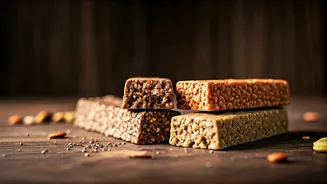
This health-consciousness is coupled with a fundamental change in workplace culture itself. The leisurely, communal break is being supplanted by a more Americanized 'hustle culture.' The workday is less about fixed hours and more about constant connectivity and project deadlines. In this environment, snacking is no longer a social pause; it's a functional act of 'fueling up' for the next task. A protein bar, which can be eaten quickly at one’s desk without mess or interruption, fits this new rhythm perfectly. Its branding often emphasizes productivity, focus, and sustained energy—precisely what the modern employee is looking for. It’s a convenient, portion-controlled, and clean alternative that aligns with a mindset of personal optimization.
An Appetite for Disruption
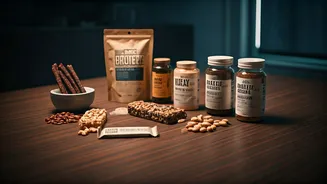
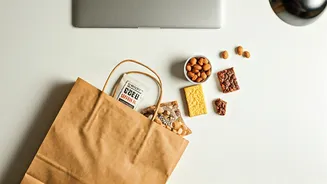
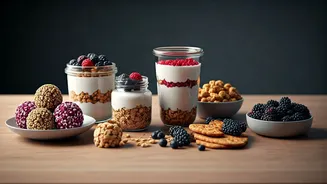
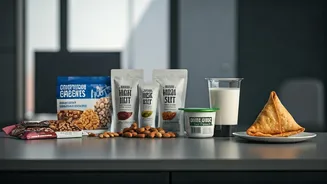
Sensing a massive opportunity, a new wave of Indian startups has flooded the market. Companies like The Whole Truth, Yogabar, and RiteBite are creating a diverse range of healthy snacks, from protein bars and energy balls to roasted millet mixes and quinoa puffs. They are masters of modern marketing, using clean packaging, transparent ingredient lists, and savvy digital campaigns to appeal directly to health-conscious millennials and Gen Z. They sell not just a product, but a lifestyle. These brands position themselves as homegrown, healthier alternatives to both traditional Indian snacks (like the samosa) and imported Western junk food. Corporate offices are a key battleground, with many companies now stocking their pantries with these healthier options as part of employee wellness initiatives, directly displacing the local vendors who once supplied the daily samosas.