



Beyond the Buffet Line
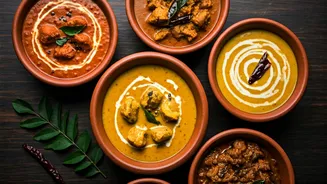
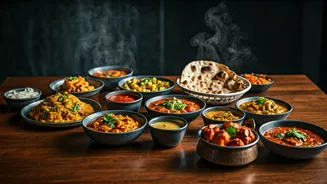
For many Americans, a trip to an Indian restaurant has a familiar rhythm: warm, pillowy naan, creamy tikka masala, and maybe a tandoori chicken sizzling on a platter. These dishes, primarily from the Punjab region in North India, have been delicious ambassadors
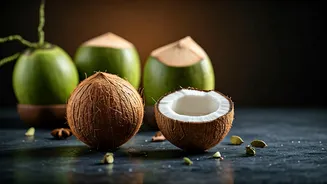
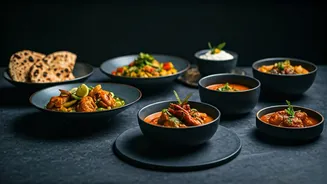
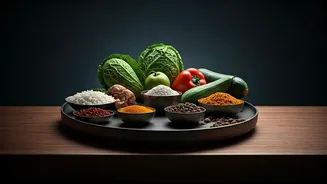
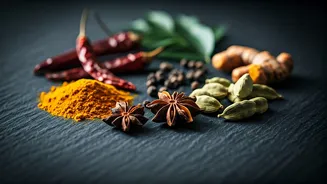
for a subcontinent's vast cuisine. But they represent just one piece of an incredibly diverse culinary puzzle. Now, chefs and diners are exploring the map, heading south to the states of Tamil Nadu, Kerala, Karnataka, Andhra Pradesh, and Telangana. Here, the flavor profile changes dramatically. Instead of wheat-based breads and heavy creams, the cuisine is built on rice, lentils, and coconut. The dominant tastes are tangy, sour, and spicy, thanks to key ingredients like tamarind, kokum, mustard seeds, fiery chilies, and fragrant curry leaves. It’s a lighter, brighter, and often more vegetable-forward world of flavor that’s captivating American diners.
The New Guard of Chefs
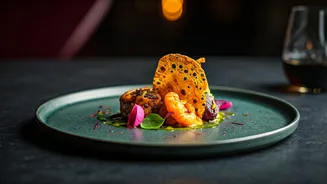
This culinary renaissance isn’t happening by accident. It’s being driven by a new generation of chefs, many of whom are second-generation Indian Americans. Unbound by the need to present a single, simplified version of “Indian food” for a Western audience, they are cooking the food of their heritage with confidence and creativity. Restaurants like New York City’s Semma, which earned a Michelin star for its unapologetically authentic Tamil food, are leading the charge. Chef Vijay Kumar serves dishes like snail curry and venison prepared with regional spices—dishes you would never find on a standard buffet. In San Francisco, restaurants like Rasa have been celebrated for modern interpretations of South Indian classics. This movement is about more than just authenticity; it’s about evolution. These chefs are using high-quality ingredients and modern techniques to elevate family recipes into fine-dining experiences, proving that South Indian food can be as nuanced and celebrated as any other global cuisine.
A Perfectly Timed Trend
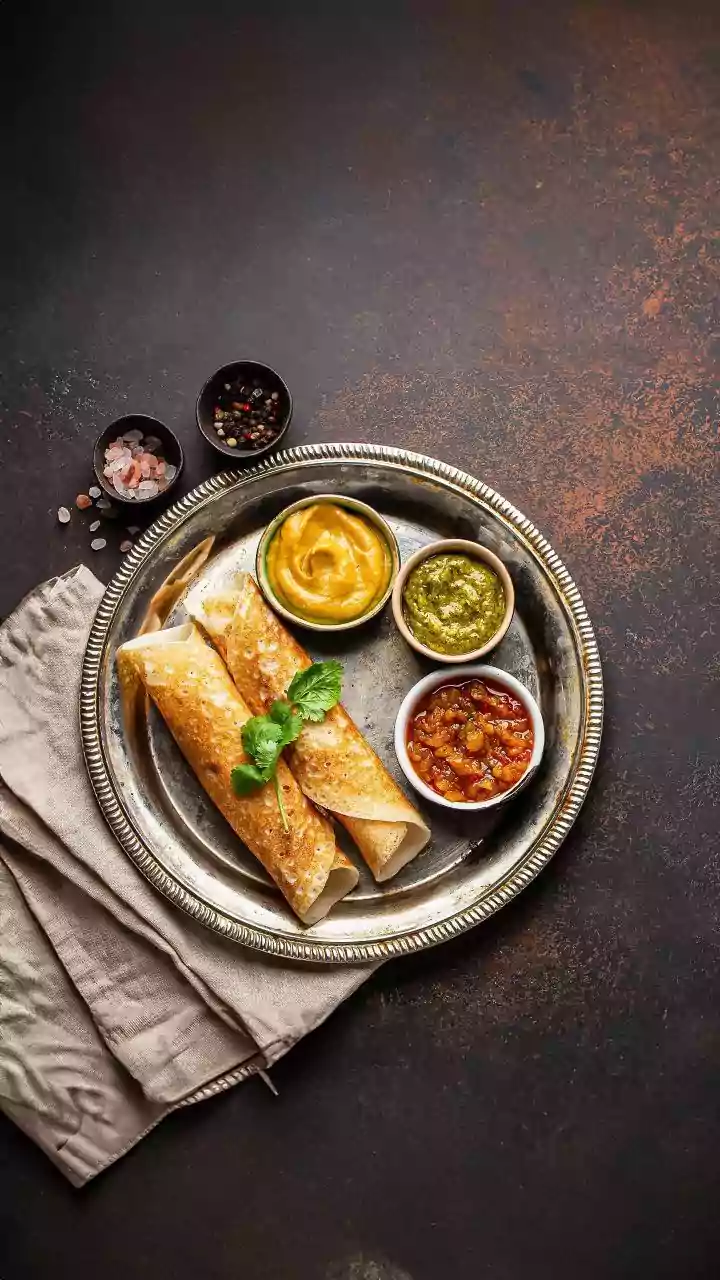
So, why is this happening now? Several cultural trends have converged to create the perfect moment for South Indian food to shine. First, American diners have become more adventurous, actively seeking regional specificity. We no longer just want “Italian”; we want Sicilian or Tuscan. The same curiosity is now being applied to Indian food. Second, there’s a growing demand for plant-based and gluten-free options. South Indian cuisine, with its reliance on rice, lentils, and vegetables, is naturally rich in dishes that meet these criteria. Fermented rice-and-lentil crepes (dosa), steamed rice cakes (idli), and complex vegetable stews (sambar and aviyal) are all healthy, satisfying, and delicious. Finally, social media has played a huge role. A massive, paper-thin dosa folded on a plate is inherently Instagrammable, sparking curiosity and driving foot traffic to restaurants that were once neighborhood secrets.
Your New Favorite Dishes
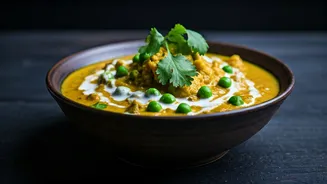
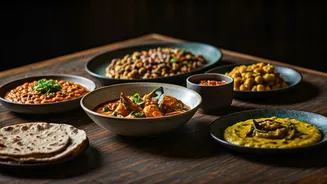
Ready to dive in? While the mighty dosa is a fantastic starting point, there’s a whole universe to explore. Look for appam, a bowl-shaped, lacey pancake made from fermented rice batter, perfect for soaking up a fragrant vegetable or chicken stew (ishtew). Try Malabar fish curry from Kerala, a stunningly bright and tangy dish made with coconut milk and tamarind. Ask for aviyal, a thick mixture of vegetables cooked with coconut and yogurt, or pongal, a savory rice-and-lentil porridge that’s the ultimate South Indian comfort food. Each dish tells a story of its region, shaped by coastal trade routes, local harvests, and centuries of tradition. Don't be afraid to ask for recommendations; the staff will likely be thrilled to guide you.