
Sattu: The Superfood Protein Powder You've Never Heard Of
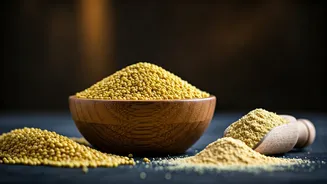
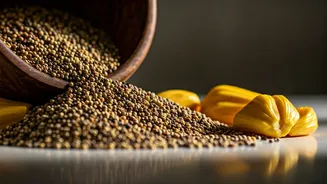
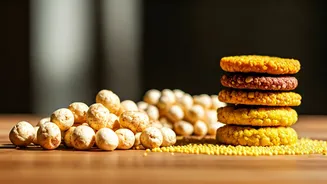
Forget whey and soy for a moment. Meet sattu, a humble flour made from roasted chickpeas (or other grams and cereals) that has been a nutritional powerhouse in India for centuries. Traditionally known as a 'poor man's protein,' it's now being celebrated
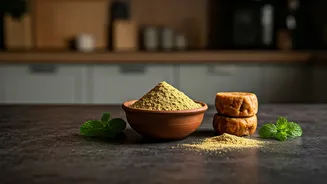
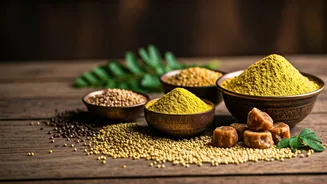
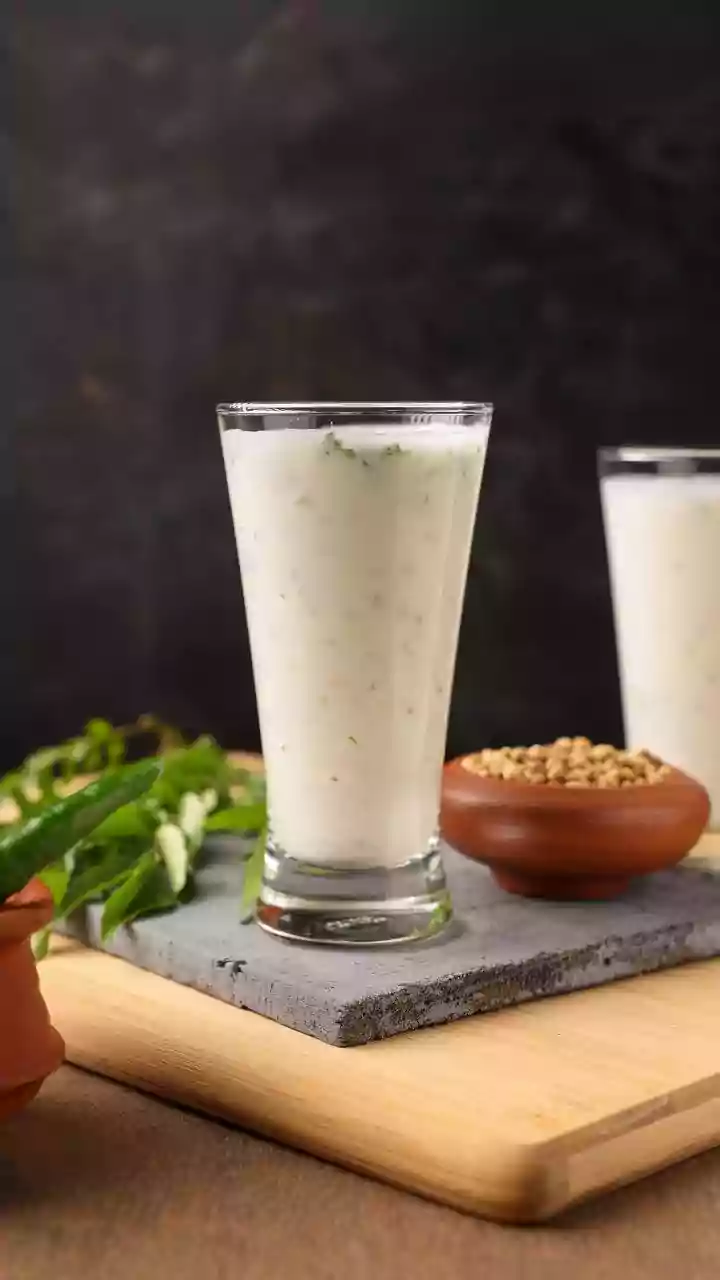
for its impressive nutrient profile and versatility. Packed with protein, fiber, iron, and magnesium, sattu is a low-glycemic complex carbohydrate that provides sustained energy, making it a favorite among laborers and, increasingly, modern fitness enthusiasts. Its preparation couldn't be simpler. The roasting process makes it ready-to-eat. The most traditional way to consume it is in a refreshing drink called 'sattu sharbat,' where the flour is mixed with cold water, salt, lemon juice, and sometimes roasted cumin for a savory, cooling beverage perfect for hot days. For a sweet version, it can be mixed with jaggery and water or milk. But its uses don't stop there. Think of it as a gluten-free, protein-rich flour supplement. You can add a scoop to your morning smoothie, mix it into oatmeal, or use it to thicken soups and gravies, all while adding a nutty, earthy flavor.
Millets: The Ancient Grain Getting a Global Spotlight
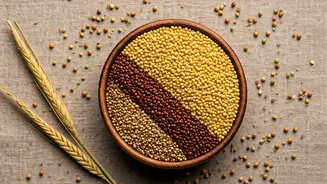
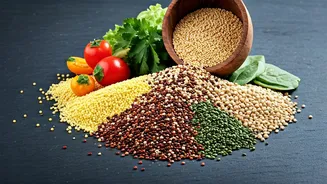
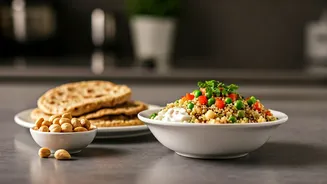
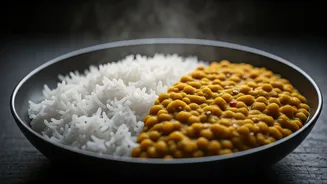
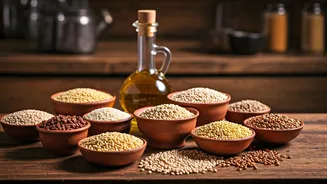
If you feel like you're hearing about millets everywhere, you're not imagining it. The United Nations even declared 2023 the International Year of Millets to promote this incredible group of ancient grains. Long overshadowed by wheat and rice, millets are making a major comeback due to their resilience, nutritional benefits, and gluten-free nature. What exactly are millets? They aren't one single grain but a family of small-seeded grasses, including varieties like foxtail, finger, and pearl millet, as well as more familiar names in the U.S. like sorghum. They are culinary chameleons. You can cook them whole like quinoa or rice, where they offer a fluffy or creamy texture depending on the variety and cooking method. They can also be ground into flour for gluten-free baking, creating everything from flatbreads to pancakes. Their mild, slightly nutty flavor makes them an excellent canvas for spices and sauces. Beyond the kitchen, millets are a farmer's best friend. They are drought-resistant, require fewer pesticides, and grow in poor soil, making them a key crop for a more sustainable global food system.
Jaggery: The Unrefined Sweetener with Character
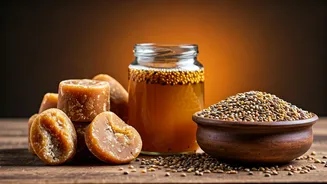
Move over, brown sugar. Jaggery, a staple sweetener across South Asia, Africa, and Latin America (where it's known as panela), is the unrefined, character-rich alternative your pantry needs. It’s made by simply boiling down raw sugarcane juice until it solidifies, a minimal process that ensures it retains much of the molasses and trace minerals lost during the heavy refining of white sugar. While it’s important to remember that jaggery is still sugar, it offers a far more complex flavor profile. Instead of a one-note sweetness, jaggery delivers rich, caramel-like notes with hints of smokiness and a deep, molasses-like finish. It comes in solid cakes, soft pastes, or granulated forms. Its deep flavor transforms a simple cup of coffee or tea into something special. In baking, it imparts moisture and a beautiful golden-brown color to cookies and cakes. It's also a key ingredient in savory cooking, used to balance the sour and spicy notes in many Asian sauces, marinades, and chutneys. It’s the perfect example of how a simple ingredient swap can add a whole new dimension of flavor to your food.