






Your Phone is the New Travel Agent
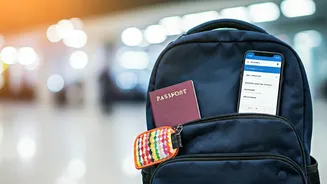
Forget spending hours in a library poring over maps and transit schedules. The single biggest game-changer is the smartphone. Modern travel apps have consolidated every stage of planning into one device. Apps like Google Maps provide intricate, real-time
public transit directions that once required deciphering a foreign bus schedule. Hostelworld and Booking.com have made finding safe, reviewed, and affordable lodging a simple, filterable task. New AI-powered trip planners like those from TripIt or Wanderlog can even build entire itineraries based on your interests and budget, suggesting activities and mapping out the most efficient routes. This shift from physical logistics to digital convenience means less time stressing and more time experiencing.
The Rise of the Budget Airline
For decades, airfare was the single biggest obstacle for aspiring student travelers. That landscape has been completely reshaped by the explosion of ultra-low-cost carriers (ULCCs). In the U.S., airlines like Spirit, Frontier, and Breeze have made domestic weekend trips surprisingly affordable. Internationally, carriers like PLAY, Norse Atlantic Airways, and Ryanair offer transatlantic and intra-European fares that can sometimes feel too good to be true. While these airlines operate on a no-frills model—you'll pay extra for everything from a carry-on bag to a printed boarding pass—their base fares have unlocked a new level of spontaneity. A weekend trip from New York to Iceland or from Chicago to Denver is no longer a major financial decision.
Accommodations Are Smarter and More Social
The word "hostel" might still conjure images of dingy, overcrowded dorms, but the industry has undergone a major glow-up. The rise of "poshtels"—boutique hostels with stylish designs, private room options, co-working spaces, and curated social events—caters directly to a generation that values both community and comfort. These hybrid spaces offer the social benefits of a traditional hostel with the amenities of a hotel. Furthermore, robust review systems on booking platforms have created a level of transparency and safety that didn't exist before. Students can now choose their accommodation based on thousands of recent, detailed reviews, filtering for cleanliness, location, and overall vibe.
Booking Flexibility is the New Norm
The travel disruptions of the early 2020s had an unexpected silver lining for consumers: flexibility. Airlines and hotels were forced to abandon their notoriously rigid and punitive change and cancellation policies. While some of the most generous rules have been scaled back, the industry mindset has shifted. Many major airlines have permanently eliminated change fees on standard economy tickets (though you still pay the fare difference), and hotels often offer slightly more expensive but fully refundable rates. For students whose plans can change due to exams, internships, or budget fluctuations, this new flexibility significantly de-risks the act of booking a trip months in advance.
Staying Connected is Finally Cheap
One of the hidden costs of past travel was exorbitant international roaming charges or the hassle of finding and buying a local SIM card upon arrival. The widespread adoption of eSIM technology has made this a problem of the past. An eSIM is a digital SIM that lets you activate a cellular plan without a physical card. Before even leaving home, a student can use an app like Airalo or Holafly to purchase an affordable, data-only plan for their destination country. This means you can land, turn your phone on, and immediately have data to look up directions to your hostel or message family back home, all for a fraction of what traditional roaming would cost.