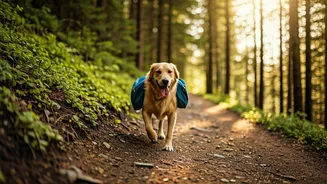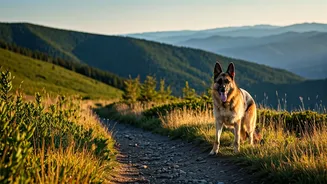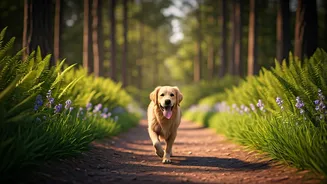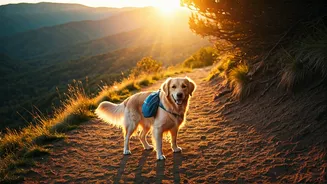




From the Dog Park to the Trailhead
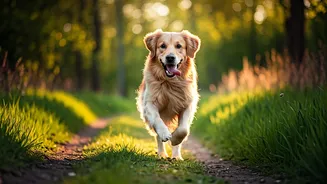
The familiar scene of a fenced-in dog park, with its chaotic energy and well-trodden turf, is getting a major competitor: the humble nature trail. Across the country, pet owners are trading manicured spaces for the wilder appeal of forests, mountains,
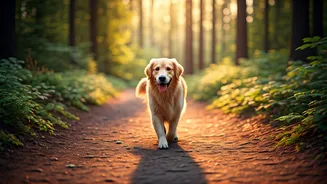
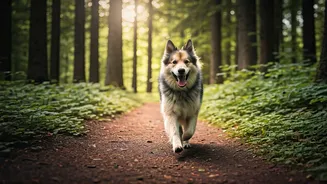
and coastal paths. This shift isn't just about finding a new place to walk the dog; it's a reflection of a deeper desire for authentic experiences, mental stimulation, and quality time spent together. After years of being cooped up, both humans and their pets are craving adventure. A trail offers a shared challenge and a sense of discovery that a repetitive loop around the block simply can't match. It’s less about a quick burst of social activity and more about a sustained, calming, and bonding journey.
Benefits Beyond the Backyard
The advantages of trail hiking for a dog go far beyond simple exercise. Veterinarians and trainers often talk about the power of enrichment, and a trail is an enrichment superhighway. The variety of smells—what some call a “sniffari”—provides immense mental stimulation, which can be more tiring and satisfying for a dog than purely physical exertion. Navigating uneven terrain, logs, and streams also helps improve a dog's balance, proprioception (their sense of body position), and confidence. For anxious or reactive dogs who may find the enclosed intensity of a dog park overwhelming, a quiet trail offers a more controlled and calming environment. And for owners, it’s a chance to unplug, de-stress, and strengthen the human-animal bond in the restorative quiet of nature.
Know Before You Go
Enthusiasm is great, but preparation is essential. Not all trails are open to dogs, so your first step is research. Apps like AllTrails and BringFido are invaluable resources, allowing you to filter for dog-friendly hikes and read recent reviews from other pet owners about trail conditions. Always check the specific regulations for the park or land manager (e.g., city, state, or national forest). Rules can vary widely, from requiring leashes of a certain length to restricting access to sensitive ecological areas. It's also crucial to be honest about your dog's physical condition. Just like humans, dogs need to build up their hiking endurance. Start with shorter, flatter trails before tackling that 10-mile mountain ascent. An out-of-shape dog is an unhappy—and potentially injured—hiker.
Mastering Trail Etiquette
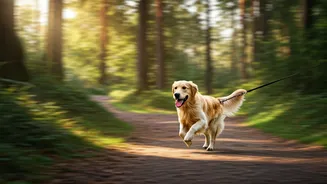
Being a good ambassador for all dog owners is the most important part of hitting the trail. The golden rule is Leave No Trace, which absolutely includes your pet. This means packing out everything you pack in, especially poop bags. Leaving a tied-up bag on the side of the trail, even with the intention of retrieving it later, is poor form and pollutes the environment. Keep your dog leashed unless you are in a designated off-leash area and have a rock-solid recall command. A leash protects your dog from wildlife (and vice versa), prevents them from bothering other hikers, and keeps them from wandering off a cliff or into poison ivy. Finally, practice good right-of-way etiquette. Hikers with dogs should yield to others—step to the side of the trail and maintain control of your dog as people, horses, or cyclists pass.
Gearing Up Your Four-Legged Hiker
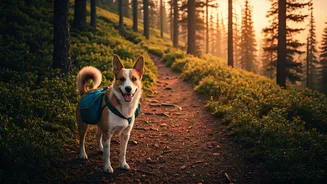
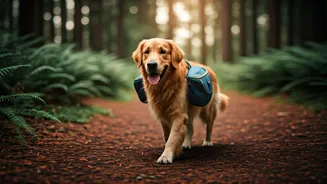
You wouldn’t hike without water, and neither should your dog. Packing the right gear ensures a safe and comfortable experience for everyone. Your dog’s backpack should always include: * **Water and a Collapsible Bowl:** Dogs can dehydrate quickly, especially during exertion. Offer water frequently. * **Poop Bags:** Bring more than you think you’ll need. You'll be a hero if another hiker needs one. * **A Well-Fitting Harness:** A harness provides better control than a collar and prevents pressure on your dog’s neck, especially on uneven terrain. * **Basic First-Aid Kit:** Include essentials like antiseptic wipes, gauze, and tweezers for removing ticks or splinters. Many companies sell pre-made canine first-aid kits. * **High-Value Treats:** Useful for energy and for reinforcing good behavior on the trail. For more rugged or hot terrain, consider dog booties to protect paws from sharp rocks and hot ground. A little preparation makes all the difference between a great day and a trip-ending mishap.