





The European Dream Hits Reality
Let’s be honest, the Europe you see on Instagram isn’t always the Europe you get. For many travelers, the reality of a European summer in the 2020s has become a cocktail of sticker shock and shoulder-to-shoulder crowds. The phenomenon of “overtourism”
isn’t new, but it has reached a fever pitch. Cities like Venice, Barcelona, and Amsterdam are implementing tourist taxes and restrictions to manage the deluge. Major events, like the Paris Olympics or concert tours from superstars like Taylor Swift, create “surge pricing” that sends hotel and flight costs into the stratosphere, pricing out many ordinary families. Add in the recent reality of record-breaking heatwaves that can make midday sightseeing a miserable, sweaty ordeal, and the romantic dream begins to fray. The question travelers are starting to ask is no longer just “Can I afford to go?” but “Will it even be enjoyable when I get there?”
Asia's Compelling Counter-Offer
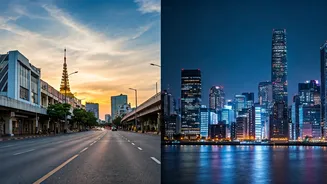
As Europe grapples with its popularity, Asia is rolling out the welcome mat with a powerful combination of novelty, value, and seamless hospitality. For Americans who have “done” London and Rome, destinations like Tokyo, Seoul, and Bangkok offer a thrilling sense of discovery. The cultural immersion is profound, from navigating Tokyo’s hyper-efficient subway system to exploring ancient temples in Kyoto or savoring world-class street food for a few dollars in Taipei. Crucially, many of these destinations have a reputation for incredible service, safety, and cleanliness, which has become a major selling point in a post-pandemic world. It’s a different kind of trip—one that often feels less like ticking off a historical checklist and more like stepping into a vibrant, living culture that is both ancient and futuristic.
It's the Economy, Traveler
Perhaps the most significant driver of this shift is the simple, undeniable math. While a flight to Asia can be a significant upfront cost, the on-the-ground savings can be dramatic. The Japanese yen has been historically weak against the U.S. dollar, effectively putting the entire country on a 20-30% discount for American visitors. A world-class bowl of ramen for $8, a pristine hotel room for under $150, or a high-speed train pass that feels like a bargain—it all adds up. This value proposition extends across much of Southeast Asia, where a traveler’s dollar stretches much further in countries like Vietnam, Thailand, and the Philippines. In Europe, a coffee and pastry can easily cost $15 in a tourist hub. In Asia, that same $15 might buy you a full, spectacular lunch. For travelers watching their budget, that difference is everything.
The Search for Something New
Ultimately, this trend may be about more than just crowds and currency. The pandemic lockdown era gave many people time to reflect on what they truly want from travel. For a growing number, the answer is not just relaxation, but expansion—of their palate, their perspective, and their comfort zone. Social media has played a role, but not just with glossy, filtered photos. TikTok and YouTube are filled with detailed, practical guides on navigating Asian cities, demystifying customs, and finding hidden gems. This digital word-of-mouth has made once-daunting destinations feel accessible and exciting. The buzz is shifting because travelers themselves are shifting, seeking experiences that feel more unique, more affordable, and frankly, more adventurous than another crowded summer in the usual European hotspots.