




First, What Is 'Plant-Forward'?
Before you picture a sad plate of lettuce, it’s crucial to understand what “plant-forward” actually means. It’s not necessarily vegan or vegetarian. Instead, it’s an eating style that emphasizes and celebrates plant-based foods—vegetables, fruits, whole
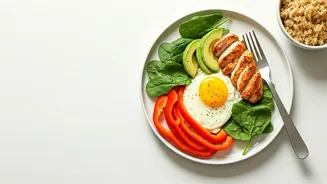
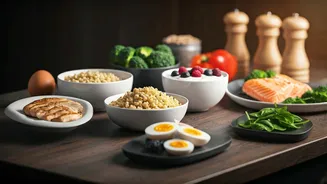
grains, nuts, seeds, and legumes—but isn’t strictly limited to them. The plants are the star of the show, making up the majority of the meal. High-quality animal products, like a piece of grilled salmon, a sprinkle of feta cheese, or a jammy egg, can still play a supporting role. This flexibility is a major reason for its growing popularity. It’s less about restriction and more about abundance, focusing on adding more nutrient-dense plants to your diet rather than taking things away.
The Performance Nutrition Formula
So why are performance-minded people trading traditional meals for bowls? Because a well-built bowl is a masterclass in macronutrient balance. It perfectly combines the key elements needed to power workouts and speed up recovery. The formula is simple but effective: complex carbohydrates for sustained energy, lean protein for muscle repair, healthy fats for hormone function and reducing inflammation, and a riot of colorful vegetables for essential vitamins, minerals, and antioxidants. Unlike a simple sandwich or a plate of pasta, the bowl format makes it intuitive to layer these components, ensuring you get a complete nutritional package in every meal. It's a visual and practical way to build a balanced plate without having to count calories or macros obsessively.
Fuel for Energy and Recovery
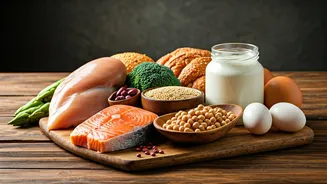
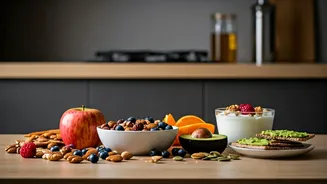
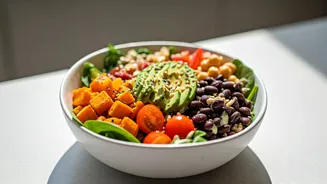
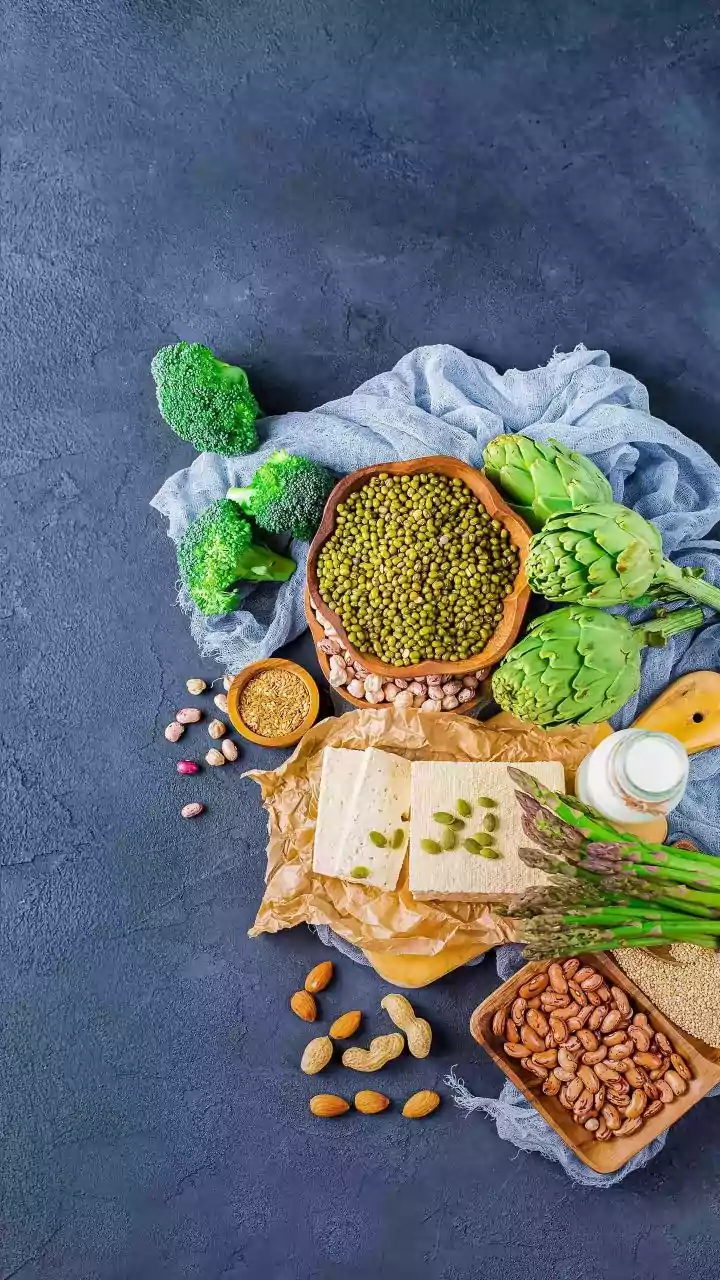
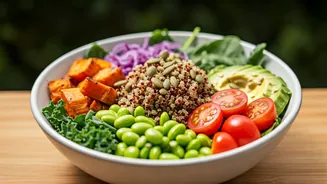
Each component in a plant-forward bowl serves a distinct performance purpose. The base of complex carbs, like quinoa, brown rice, or sweet potatoes, provides a slow-release source of glucose, preventing the energy spikes and crashes that can kill a workout. Plant-based proteins such as chickpeas, lentils, and tofu, or lean animal proteins, deliver the essential amino acids needed to rebuild muscle tissue after a tough session. Healthy fats from avocado, nuts, and seeds help fight exercise-induced inflammation, which is key for consistent training. Finally, the sheer volume of vegetables—especially dark, leafy greens like kale and spinach—delivers a powerful dose of micronutrients that support everything from immune function to oxygen transport. In short, these bowls are designed to work *with* your body, not against it.
How to Build Your Own Performance Bowl
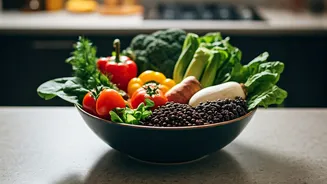
Ready to try it? Building your own bowl is easy and endlessly customizable. Follow this simple blueprint: 1. **Start with a Base (Complex Carbs):** Fill about a quarter of your bowl with a foundation of quinoa, brown rice, farro, roasted sweet potato cubes, or even zucchini noodles for a lower-carb option. 2. **Add Your Protein:** Dedicate another quarter to a quality protein source. Think roasted chickpeas, black beans, lentils, edamame, tofu, or tempeh. If you're not strictly plant-based, this is where you could add grilled chicken, salmon, or a hard-boiled egg. 3. **Pile on the Plants (Veggies):** This is where you go big. Fill at least half your bowl with a mix of raw and cooked vegetables. Aim for variety and color: leafy greens, broccoli, bell peppers, shredded carrots, cucumber, and tomatoes. 4. **Drizzle a Healthy Fat & Dressing:** Add a dose of healthy fats for flavor and function. A few slices of avocado, a sprinkle of pumpkin seeds or almonds, or a tahini-based dressing work perfectly. A simple vinaigrette made with olive oil and lemon juice is also a great choice. 5. **Finish with a Flavor Boost:** Top it off with something that adds texture and excitement, like fresh herbs (cilantro, parsley), a squeeze of lime, or a dash of hot sauce.