



The Supporting Actor No More
Think about the last truly memorable dish you ate at a great restaurant. Was it the steak, or was it the impossibly sweet corn purée underneath it? Was it the perfectly seared scallop, or the vibrant, peppery arugula salad it was nestled in? Increasingly,
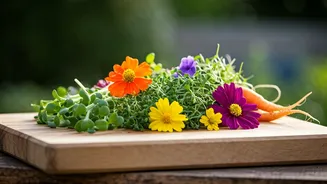
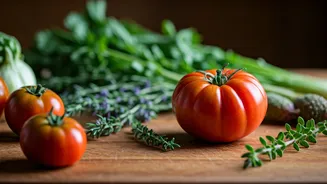
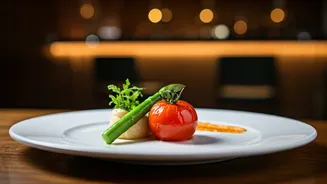
chefs are betting you’ll remember the latter. We’re in the midst of a culinary shift where seasonal produce is no longer a colorful afterthought but the headline act. This isn't just about offering a 'seasonal vegetable' side dish. This is about building an entire plate, and sometimes an entire menu, around the brief, glorious peak of a single ingredient. It’s the tomato in August, the asparagus in May, the butternut squash in October, treated not as a component, but as the whole story.
From Farm-to-Table to Ingredient-as-Star
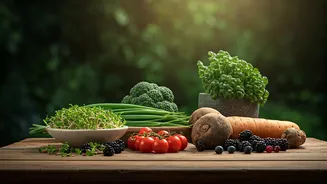
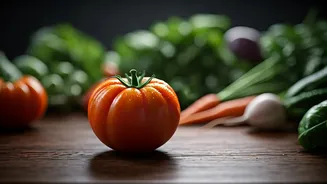
This trend is the natural evolution of the farm-to-table movement that has dominated American dining for the past two decades. At first, it was a novel concept to simply know which farm your chicken came from. Now, that’s table stakes. Diners and chefs alike have a deeper appreciation for sourcing, and that has led to an obsession with timing. If you can get tomatoes year-round, a truly perfect, sun-ripened heirloom tomato available for only six weeks becomes an event worth celebrating. Chefs are moving beyond simply listing their farm partners on the menu and are instead making the fleeting brilliance of an ingredient the core of their creative process. This approach respects the farmer’s hard work and the rhythm of the seasons, turning a simple carrot or beet into a luxury item worthy of its own spotlight.
What This Looks Like on the Menu
So how does this 'main character' energy manifest? You might see a late-summer tasting menu dedicated entirely to the tomato, showcasing it raw, roasted, jellied, and infused into broth. Come spring, a restaurant might feature three different asparagus dishes, each highlighting a different preparation—shaved raw in a salad, blanched and served with a simple vinaigrette, or grilled over charcoal. We’re seeing more dishes like 'A Celebration of Summer Squash,' where zucchini and its brethren are presented in multiple forms on one plate, or a dessert that isn't just 'apple pie' but a deep-dive into a specific, rare apple variety. This hyper-focus allows for incredible creativity. When a chef is liberated from the protein-starch-veg formula, they can explore the full potential of an ingredient’s flavor, texture, and versatility, offering diners a novel and often profound experience.
A Smarter, More Sustainable Plate
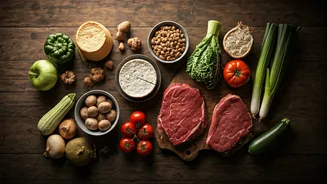
Beyond the creative thrill, this ingredient-forward approach carries significant benefits. It’s an inherently more sustainable way to cook and eat. Focusing on what is abundant and peaking locally reduces food miles and supports regional agriculture. It often results in more vegetable-centric menus, which is a win for both personal health and the environment. This shift also redefines value. Diners are learning that a dish built around a meticulously grown and perfectly prepared vegetable can be just as satisfying—and command just as much respect—as one centered on a piece of imported fish or prime beef. It encourages a more mindful form of consumption, where the luxury isn't just the price tag of the protein, but the rarity and fleeting perfection of the season itself.