

The Contamination Danger
The single greatest risk with pre-cut fruit is microbial contamination. Whole fruits have a natural defense system: their rind or skin. It’s a brilliant piece of natural packaging that protects the sterile, nutrient-rich flesh inside from bacteria in the soil,
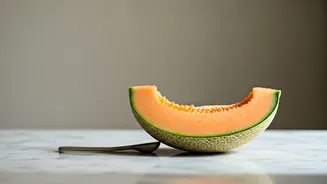
water, and air. The moment a knife slices through that barrier, the fruit becomes vulnerable. Any bacteria on the rind, the knife, the cutting board, or the handler’s hands can be transferred directly onto the flesh. From there, the sugary, high-moisture environment of fruits like cantaloupe, watermelon, and honeydew becomes an ideal breeding ground for pathogens like Salmonella, Listeria monocytogenes, and E. coli. The U.S. Food and Drug Administration (FDA) has repeatedly warned about the risks, and the CDC has linked numerous foodborne illness outbreaks to cut melons. A major multi-state listeria outbreak in 2018 was traced back to pre-cut melon from a single processing facility, leading to hospitalizations and fatalities. Unlike some bacteria, Listeria can grow even at refrigeration temperatures, meaning a container sitting in a cold case isn't necessarily safe if it was contaminated during processing.
A Race Against Nutrient Loss
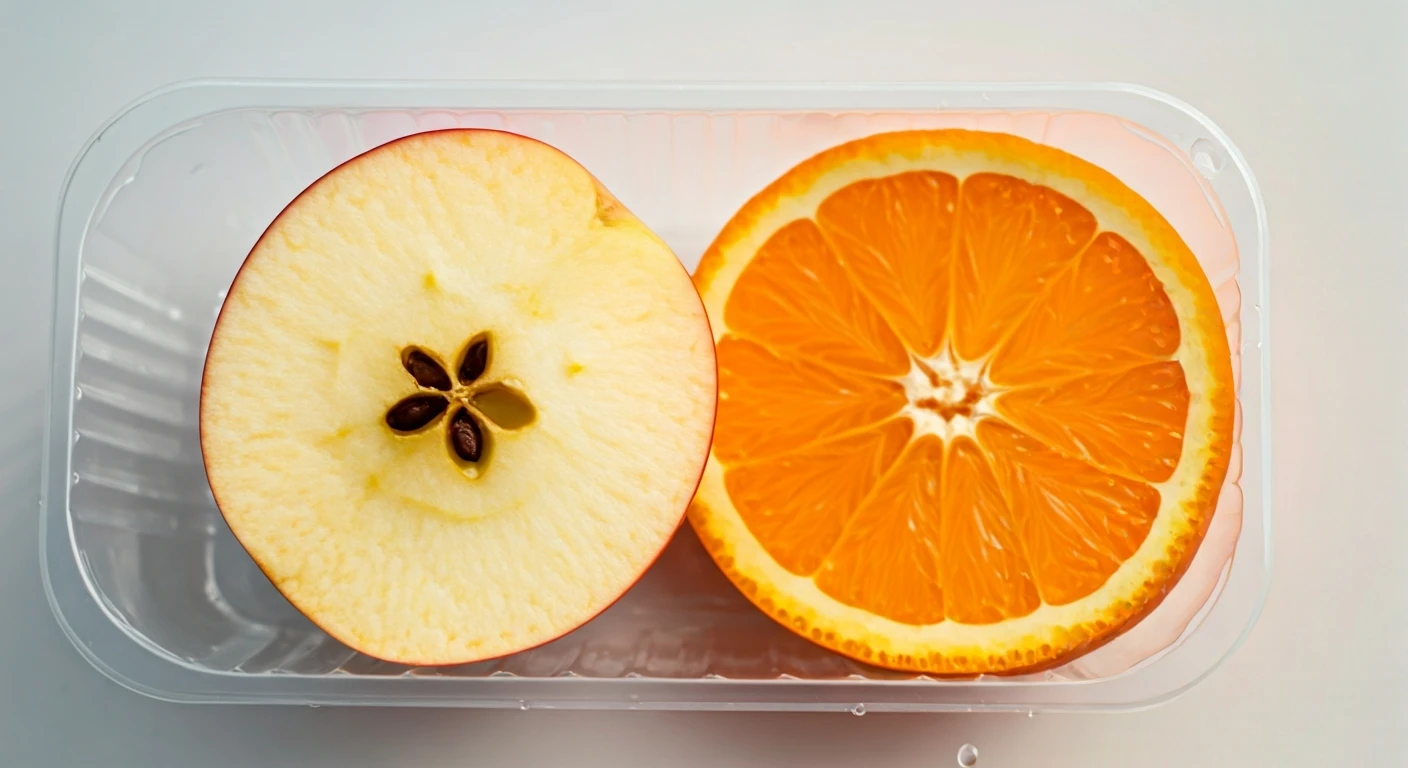
Beyond the immediate safety threat, you’re also getting a nutritionally inferior product. Many of the vitamins that make fruit so healthy are delicate. Vitamin C, in particular, is highly sensitive to oxygen, light, and heat. The process of chopping fruit dramatically increases the surface area exposed to the elements, accelerating the degradation of these vital nutrients. A study published in the Journal of Agricultural and Food Chemistry found that cut fruits like mango, pineapple, and kiwi can lose 10% to 25% of their Vitamin C content within six days, even when properly refrigerated. While some nutrients remain, you are paying a premium for a product that has already begun to lose its peak nutritional value. The antioxidants that help fight cellular damage also begin to break down once the fruit is cut. The vibrant color of the fruit in the package might look appealing, but it doesn't tell the full story of what's been lost.
The Hidden Cost of Convenience
The final argument against pre-cut fruit is simple economics. You are paying a significant markup for labor and packaging. A quick comparison at any grocery store reveals the dramatic price difference. A whole cantaloupe might cost three or four dollars, while a small container holding less than half of that same melon can cost five or six. You're paying someone else to do a task that takes only a few minutes at home with a clean knife and cutting board. This cost isn't just for the convenience; it covers the entire supply chain of washing, peeling, chopping, packaging, and refrigerated transport required to get that container to the shelf. When you weigh the steep price against the elevated health risks and diminished nutritional content, the value proposition quickly falls apart. In essence, you're paying more for less nutrition and a higher chance of getting sick.
If You Still Choose to Buy
If you are in a situation where pre-cut fruit is your only option, you can take steps to minimize the risk. First, only purchase fruit that is refrigerated or surrounded by ice—never buy it if it’s sitting out at room temperature. Check the “best-by” date and inspect the package for any signs of spoilage, such as excess liquid or fizzing, which can indicate fermentation. Purchase from reputable vendors with high turnover, as their products are likely to be fresher. Once you get it home, consume it as soon as possible, ideally within a day or two, and ensure your own refrigerator is set to 40°F or below. But remember, these are harm-reduction tactics, not guarantees of safety.