

Beyond Just 'Healthy'
For years, the global wellness industry operated on a simple premise: to be healthy, you had to sacrifice flavor. Think chalky protein bars, bland rice cakes, and juices that tasted like lawn clippings. But for India’s massive population of Millennials
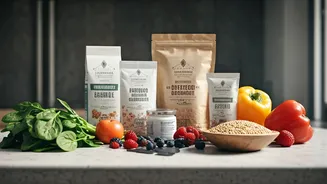
and Gen Z, that trade-off is no longer acceptable. They aren’t just looking for low-calorie or low-sugar options; they’re seeking “flavour forward” wellness. This means products that lead with bold, exciting tastes while hiding their nutritional bona fides. Imagine potato chips made from millet and seasoned with spicy peri-peri, chocolate bars infused with the ancient adaptogen ashwagandha, or breakfast cereals made from ragi (finger millet) that taste like a treat. These products don't whisper their health benefits; they shout their flavor. The wellness aspect—clean labels, no refined sugar, high protein, natural ingredients—is the expected baseline, not the main selling point. It’s a fundamental shift from health as a sacrifice to wellness as a vibrant, enjoyable lifestyle choice.
Meet the New Indian Consumer
This trend isn't happening in a vacuum. It’s being driven by a digitally native, globally aware, and increasingly affluent generation. Unlike their parents, who may have prioritized value and stuck to legacy brands, younger Indians are explorers. They are armed with smartphones, influenced by global social media trends, and possess a growing disposable income. They are also the most health-conscious generation in the country's history, yet they grew up on a rich, diverse, and flavor-packed culinary heritage. They refuse to believe that eating well has to be boring. This demographic is skeptical of mass-produced products from legacy corporations, which are often perceived as containing hidden sugars, preservatives, and artificial ingredients. Instead, they gravitate towards authentic, transparent brands that tell a compelling story. They read labels, follow brand founders on Instagram, and value peer reviews over massive advertising campaigns. They want to feel a connection to what they consume, and these new-age brands are speaking their language.
How D2C Is Fueling the Revolution
This explosion of flavour forward brands would be impossible without the rise of the direct-to-consumer (D2C) model. Traditionally, getting a new food product onto the crowded shelves of India’s supermarkets and kiranas (neighborhood stores) was a monumental, capital-intensive challenge dominated by giants like Nestlé, Unilever, and ITC. The D2C model changes the game entirely. Ambitious startups can now launch with a website and a social media presence, reaching customers directly across the country. This allows them to bypass traditional gatekeepers, test new products quickly, and build a community around their brand. Companies like The Whole Truth (protein bars and snacks with “no hidden stuff”), Slurrp Farm (healthy snacks for kids using traditional grains), and TagZ (popped potato chips with 50% less fat) have built loyal followings by engaging directly with their customers online. This nimble approach allows them to innovate on flavors and formulations at a speed legacy brands simply can't match.
Tradition, Remixed for a Modern Palate
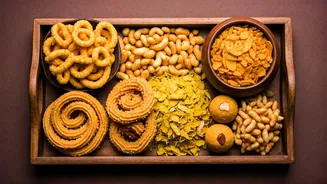
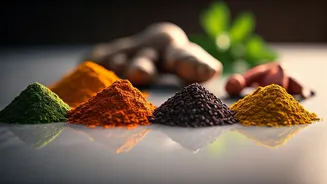
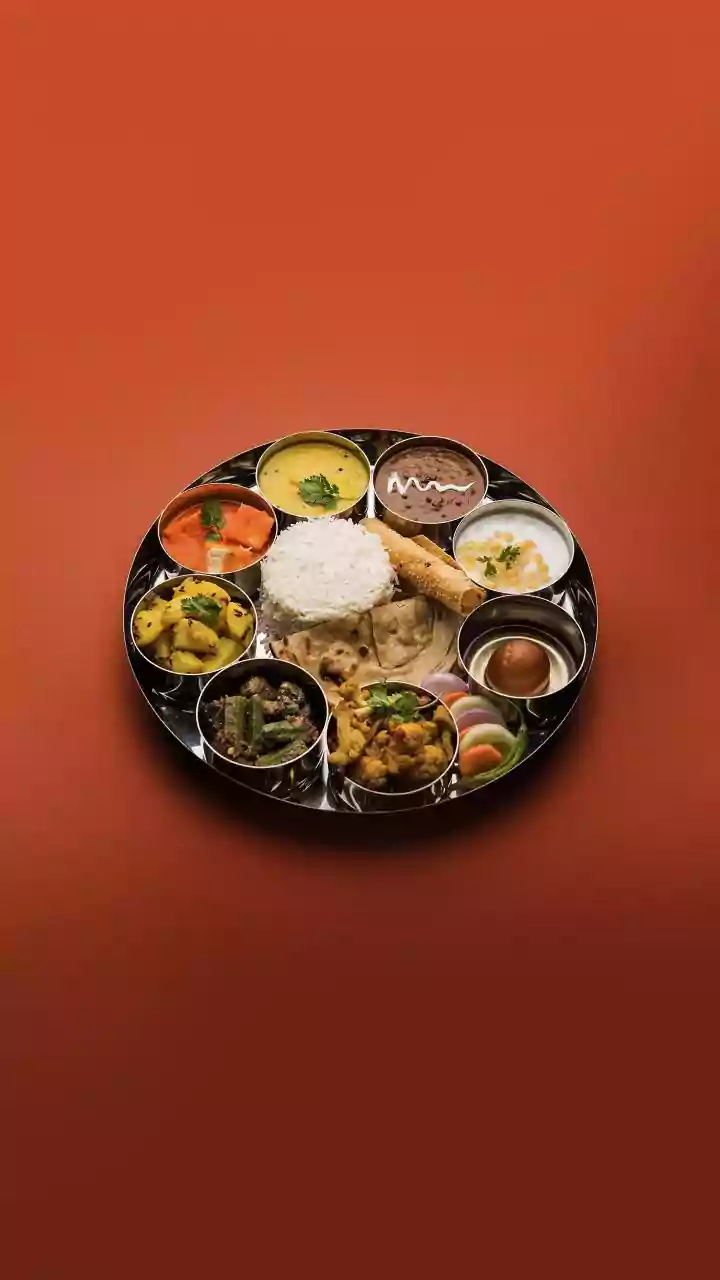
Perhaps the most fascinating part of this trend is how it reclaims and modernizes Indian tradition. Many of these brands are building their products around ingredients that have been staples in Indian households for centuries but were falling out of fashion. Millets like jowar and bajra, seeds like makhana (fox nuts), and Ayurvedic herbs like turmeric and tulsi are being given a contemporary makeover. Instead of being presented in their traditional, sometimes laborious-to-prepare forms, they are being integrated into convenient, globally appealing formats like chips, puffs, and energy bars. A brand might take the familiar flavor of a spicy Indian street food and apply it to a baked, multigrain crisp. This is not about rejecting Indian culture; it’s about reinterpreting it for a generation that wants both the comfort of the familiar and the excitement of the new. It’s a confident expression of a modern Indian identity that is both rooted in its heritage and open to the world.