



An Urban Hub with a Soul
Known as the “Scotland of the East,” Shillong offers a unique blend of colonial-era charm and vibrant Khasi culture. Unlike rustic villages, it provides the perfect infrastructure for a comfortable stay. After a day spent exploring misty landscapes, you
can retreat to a cozy hotel or a stylish cafe. The city’s thriving music scene, a legacy of its rock-and-roll history, means evenings can be spent in lively pubs listening to local bands. This urban comfort is critical; it allows you to enjoy the raw, wild beauty of the monsoon by day and recharge in a warm, dry, and interesting environment by night. Police Bazar offers a bustling market experience, while the quieter lanes around Laitumkhrah are dotted with bookstores and quaint eateries perfect for a rainy afternoon.
Gateway to Waterfalls at Their Peak
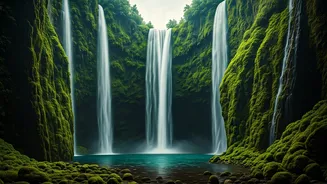
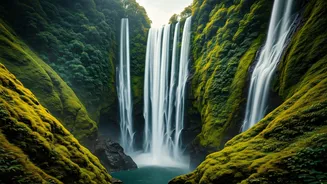
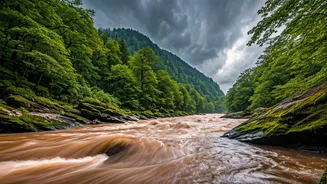
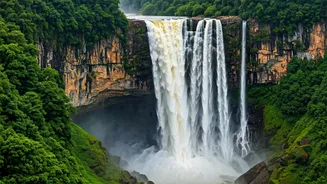
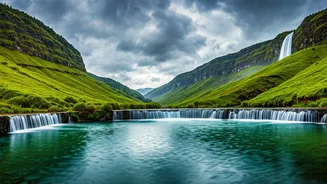
The primary reason to visit Meghalaya during the monsoon is the waterfalls, and Shillong is the ideal launchpad. The region, which includes some of the wettest places on Earth like Mawsynram and Cherrapunji (Sohra), comes alive with thunderous cascades. A short drive from Shillong takes you to Elephant Falls, a popular three-tiered waterfall that’s easily accessible. For the more adventurous, a day trip to Cherrapunji is essential. Here you’ll witness the breathtaking Nohkalikai Falls, India's tallest plunge waterfall, and the dramatic Seven Sisters Falls. During the monsoon, these aren't trickles of water; they are powerful, awe-inspiring forces of nature, often shrouded in a dramatic play of cloud and mist that makes the experience all the more magical.
Exploring the Living Root Bridges
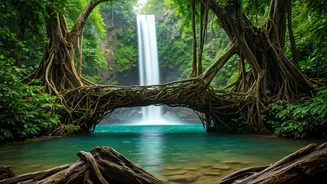
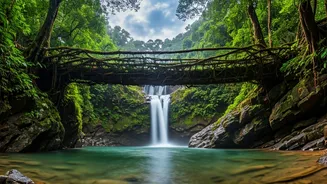
Meghalaya’s most famous wonders are its living root bridges, bio-engineered marvels grown by the Khasi people from the roots of rubber trees. While accessible year-round, visiting them during the monsoon adds another layer of enchantment. The surrounding jungle is at its most verdant, the air is thick with the smell of wet earth, and the rivers they span are full and dynamic. The most famous, the double-decker root bridge in Nongriat, requires a significant trek, but the reward is immense. Using Shillong as your base allows you to dedicate a full, strenuous day to this trek while knowing you have a comfortable bed and a hot meal waiting for you upon your return, rather than having to stay in more basic local accommodation.
The Crystal-Clear Waters of Dawki
While monsoon rains can swell most rivers, the Umngot River in Dawki, near the Bangladesh border, often retains its surreal clarity in pockets or on clearer days. A day trip from Shillong (about 2-3 hours each way) can reward you with the famous sight of boats appearing to float in mid-air on its emerald-green surface. The drive itself is spectacular, descending from the high-altitude coolness of Shillong to the tropical borderlands. It’s a gamble with the weather, but one that offers a stunning contrast to the mist-covered highlands and demonstrates the sheer diversity of landscapes accessible from a single base.
Practical Tips for a Monsoon Trip
Traveling during the monsoon requires preparation. Pack quick-drying clothes, a reliable waterproof jacket, and sturdy, non-slip footwear. Leeches can be common on jungle treks, so carrying salt or a sanitizer is advisable. While roads are generally well-maintained, be prepared for potential delays due to rain or landslides and build buffer time into your itinerary. Hiring a local driver in Shillong is the most efficient way to navigate the winding roads and get expert advice on daily conditions. Most importantly, embrace the weather. The rain isn't an inconvenience to be tolerated; it’s the main attraction, the very thing that makes Meghalaya in this season an unforgettable experience.