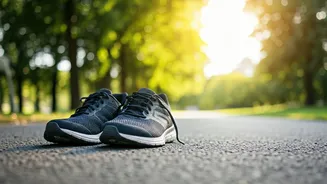







Redefine Your 'Tough'
For years, the fitness mantra has been to push your limits. But when the heat index climbs into dangerous territory, that mindset can lead to serious health emergencies. Heat-aware fitness isn't about skipping workouts; it's about modifying them with
intelligence. The new definition of a 'strong' athlete is one who listens to their body and respects the environment. Ignoring dizziness, nausea, or a pounding headache isn't a sign of mental fortitude—it's a sign you're ignoring your body's check-engine light. The smartest people in the gym, on the trail, or on the court are the ones who know when to scale back, change their timing, or take a day off. That level of self-awareness and control is a strength worth cultivating.
Know the Warning Signs
Your body has a sophisticated cooling system, primarily through sweating. But in extreme heat and humidity, that system can be overwhelmed. It's crucial to know the difference between heat exhaustion and the more severe heatstroke. According to the CDC, heat exhaustion often presents with heavy sweating, cold or clammy skin, a faint or dizzy feeling, a fast, weak pulse, nausea, and muscle cramps. It's a serious warning sign. If you feel these symptoms, stop all activity, move to a cooler place, and sip water. Loosen your clothing and apply cool, wet cloths. Heatstroke, on the other hand, is a medical emergency. Its symptoms can include a high body temperature (103°F or higher), hot, red skin (which may be dry or damp), a fast, strong pulse, headache, dizziness, nausea, confusion, and passing out. If you suspect heatstroke, call 911 immediately.
Time and Place Are Everything
The simplest adjustment is often the most effective: avoid exercising during the hottest part of the day. This typically means the window from 10 a.m. to 4 p.m., though this can shift depending on your location. Early morning workouts are ideal, as the sun is less intense and the ground hasn't absorbed a full day's worth of heat. Evening sessions are another great option, after the sun has begun to set. If your schedule is inflexible, consider your location. Can you run on a shaded trail instead of exposed asphalt? Can you find an outdoor basketball court with some tree cover? And don't discount indoor alternatives. A session on the treadmill, a group fitness class in an air-conditioned studio, or swimming at an indoor pool can provide a great workout without the risk of heat-related illness.
Hydrate Smarter, Not Just Harder
The old advice to simply 'drink more water' is a good start, but it's incomplete. When you sweat heavily, you lose not only water but also essential electrolytes like sodium and potassium, which are vital for muscle function and fluid balance. For workouts lasting over an hour in the heat, consider a sports drink or an electrolyte supplement. Proper hydration begins before you even start your workout. Aim to be well-hydrated throughout the day, not just chugging water minutes before you head out. Monitor the color of your urine; pale yellow is a good indicator of adequate hydration. Also, be mindful of what dehydrates you. Alcohol and caffeinated beverages can have a diuretic effect, so consuming them before a hot-weather workout is unwise.
Dress for Success (Against the Heat)
Your clothing is your first line of defense. Ditch the dark colors, which absorb sunlight and heat, in favor of light-colored apparel that reflects it. Fabric choice is even more important. Cotton may feel light, but it absorbs sweat, becoming heavy, wet, and ineffective at cooling you down. Instead, opt for lightweight, moisture-wicking synthetic fabrics designed for athletic performance. These materials pull sweat away from your skin and allow it to evaporate, which is the body's natural cooling mechanism. A loose fit also promotes airflow. Finally, accessorize for safety: a wide-brimmed hat provides shade for your face and neck, and UV-blocking sunglasses protect your eyes from sun glare, reducing strain.