



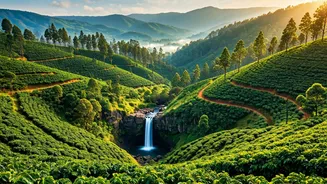


An Introduction to a Natural Wonder
For many Americans, India conjures images of the Taj Mahal or the bustling streets of Mumbai. But running parallel to the country's western coastline is a majestic mountain range that remains one of its best-kept secrets: the Western Ghats. This UNESCO
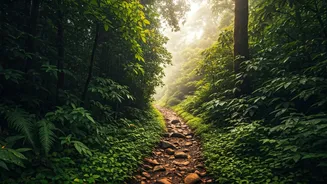
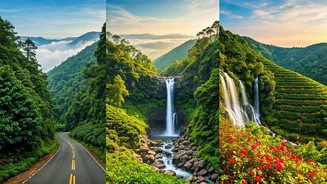
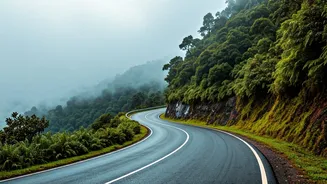
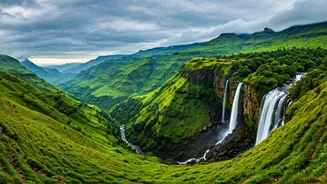
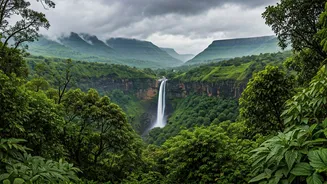
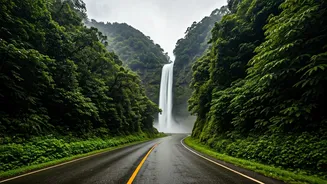
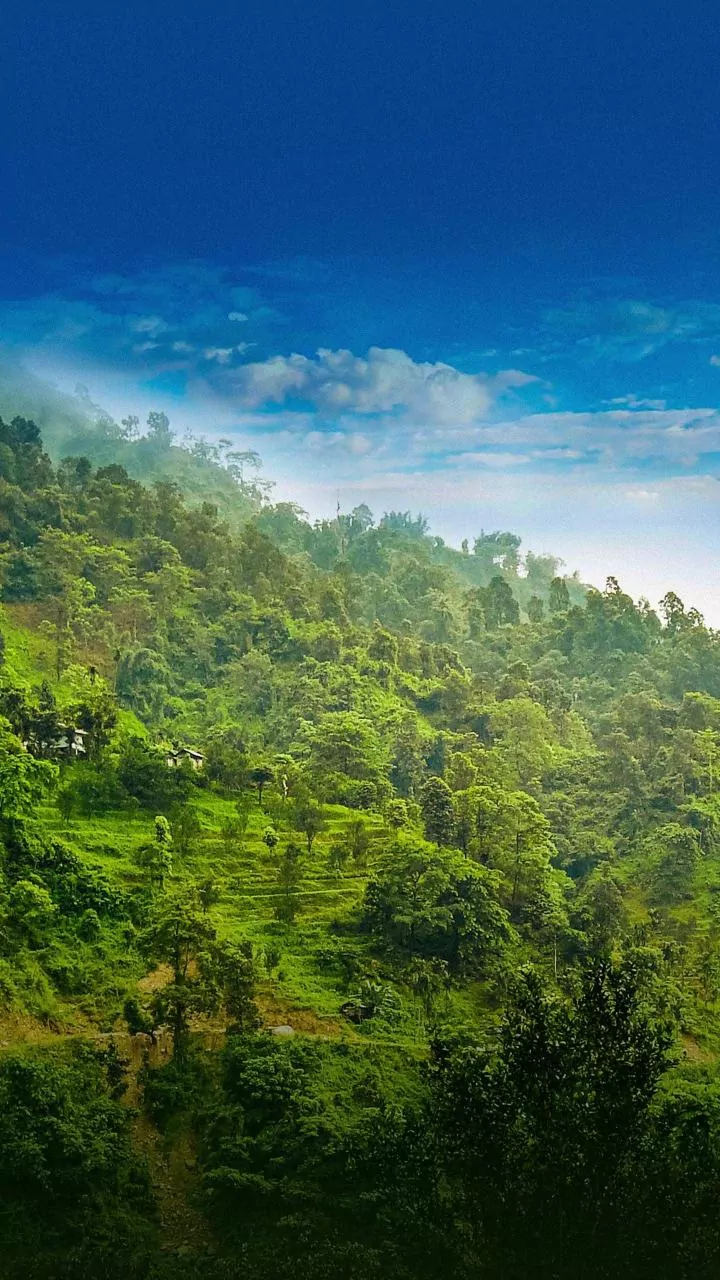
World Heritage site is a staggering chain of mountains older than the Himalayas, a globally recognized biodiversity hotspot teeming with thousands of species of flora and fauna, many of which are found nowhere else on Earth. Spanning six states, this region is a tapestry of dense evergreen forests, shola grasslands, cascading waterfalls, and spice-laden air. It’s not just a place; it's a living, breathing ecosystem, and the backdrop for a completely different kind of travel experience.
Why 'Green Escapes' Resonate Now
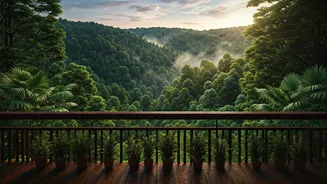
The growing interest in the Western Ghats isn't accidental. In a world saturated with digital noise and cookie-cutter vacations, couples are increasingly searching for authenticity, tranquility, and a lighter environmental footprint. A 'green escape' here isn't just about staying in a hotel with a recycling program. It’s about immersion. It’s choosing a trip that prioritizes slow, mindful experiences over a packed itinerary. Instead of competing for a spot by a crowded pool, couples are finding connection on a quiet trek to a hidden waterfall or sharing a cup of locally grown coffee on a private veranda overlooking a misty valley. This brand of travel trades overt luxury for the more profound luxury of peace, privacy, and a genuine connection to the natural world.
From Coffee Estates to Eco-Lodges
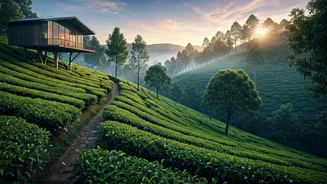
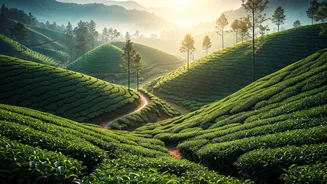
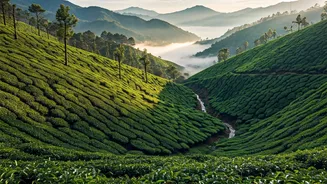
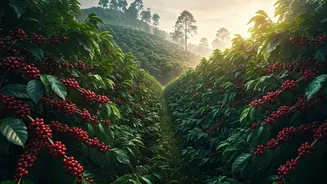
The accommodations in the Western Ghats are as much a part of the attraction as the landscape itself. Forget monolithic hotel blocks. The most sought-after stays are intimate and woven into the environment. In regions like Coorg and Chikmagalur in the state of Karnataka, charming bungalows and homestays are set within sprawling coffee and cardamom plantations. Here, the day might start with a guided tour of the estate, learning how your morning coffee goes from bean to cup. Further south, in Kerala’s Wayanad or Munnar, you’ll find thoughtfully designed eco-lodges and treehouses built with sustainable materials, offering panoramic views without disrupting the delicate ecosystem. These properties often operate on principles of conservation, employing local staff, serving regional cuisine, and actively participating in preserving the surrounding forests.
Days Defined by Nature's Rhythm
What do you do in the Western Ghats? The answer, delightfully, is as much or as little as you want. The experience is about tuning into nature's rhythm rather than adhering to a strict schedule. Mornings are for birdwatching, where you might spot everything from the Malabar trogon to the great Indian hornbill. Afternoons could be spent on a guided trek through the shola forests, learning about the medicinal properties of native plants from a local expert. For the more adventurous, there are opportunities for bamboo rafting on serene rivers or hiking to peaks that offer breathtaking views of the surrounding plantations. And for many, the main activity is simply being still—reading a book, practicing yoga, or watching the clouds drift by, completely untethered from the demands of daily life. It’s a reset for the body and the soul.