






Welcome to the Jungle
Deep in the southern Indian state of Karnataka, the Kabini River winds its way through the dense forests of Nagarhole National Park. This isn't the chaotic, bustling India of popular imagination. This is a protected wilderness, a vibrant ecosystem that’s
one of the last great refuges for Asia’s iconic megafauna. For American travelers accustomed to national parks defined by canyons and mountains, Kabini offers a different kind of wild: a sprawling, subtropical forest teeming with elephants, leopards, sloth bears, and the elusive Bengal tiger. The journey here is part of the experience—a winding drive away from the tech hubs of Bangalore and into a world governed by the rhythms of the sun and the seasons, not the 24-hour news cycle.
The Art of the Disconnect
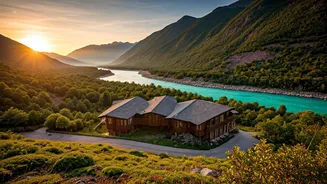
The eco-lodges scattered along the banks of the Kabini aren't just hotels; they are philosophical statements. Upon arrival, you’re gently encouraged to surrender your digital tethers. Wi-Fi is often non-existent or confined to a single, inconvenient common area. Cell service is spotty at best. There are no televisions in the rooms. The first 24 hours can feel like withdrawal. You might find your thumb twitching, searching for an icon to tap, or feel a pang of anxiety about the emails piling up. But the properties are designed to ease this transition. Instead of a screen, your cottage window frames a view of the reservoir where cormorants dive for fish. The daily schedule is dictated not by calendar alerts but by safari timings and communal meals, forcing a gentle return to a more communal, present-focused existence.
Trading Blue Light for Golden Hour
What rushes in to fill the digital void is life, unfiltered. A typical day begins before dawn, with hot chai delivered to your door before you board an open-top jeep for a morning safari. As the sun burns the mist off the forest floor, the world awakens. A herd of spotted deer flits through the bamboo groves. A crested serpent eagle surveys its kingdom from a high branch. The thrill is in the unpredictability. You might spend an hour tracking a leopard only to be rewarded with a fleeting glimpse of its rosette-spotted coat, or you could round a bend and come face-to-face with a massive bull elephant. The afternoons are for languid boat safaris on the reservoir, watching herds of elephants drink and bathe, their social interactions playing out like a prehistoric drama. Evenings are spent around a bonfire, swapping stories with fellow travelers and naturalists, your face illuminated by firelight instead of a phone screen.
Sustainability Beyond the Buzzword
The “eco” in eco-lodge is taken seriously here. These establishments were pioneers in a model that U.S. travelers increasingly seek: tourism that gives back more than it takes. Sustainability isn't a marketing gimmick; it's a core operational principle. Architecture often incorporates local, renewable materials, with designs that maximize airflow to reduce the need for air conditioning. Many lodges employ staff almost exclusively from surrounding villages, turning locals into stakeholders in conservation. A significant portion of their revenue often funds anti-poaching patrols and community development initiatives. By staying here, you become part of a virtuous cycle where your tourism dollars directly support the preservation of the very wilderness you’ve come to experience. It’s a powerful realization that conscious travel can be a force for good, protecting both the environment and the local culture.