

A Rare and Auspicious Occasion
So, what exactly is Parama Ekadashi? In the Hindu lunar calendar, 'Ekadashi' refers to the eleventh day of each of the two lunar fortnights. It's a day traditionally set aside for spiritual practices, including fasting. But Parama Ekadashi is special.
It occurs only during 'Adhika Masa,' an extra month that gets added to the calendar every few years to align the lunar and solar cycles. This rarity makes it particularly auspicious, a time believed to be highly potent for spiritual activities, charity, and self-reflection. It’s seen as a powerful opportunity to cleanse the mind, body, and soul, and the traditions surrounding it are designed to support that very goal.
The Philosophy of the Fast
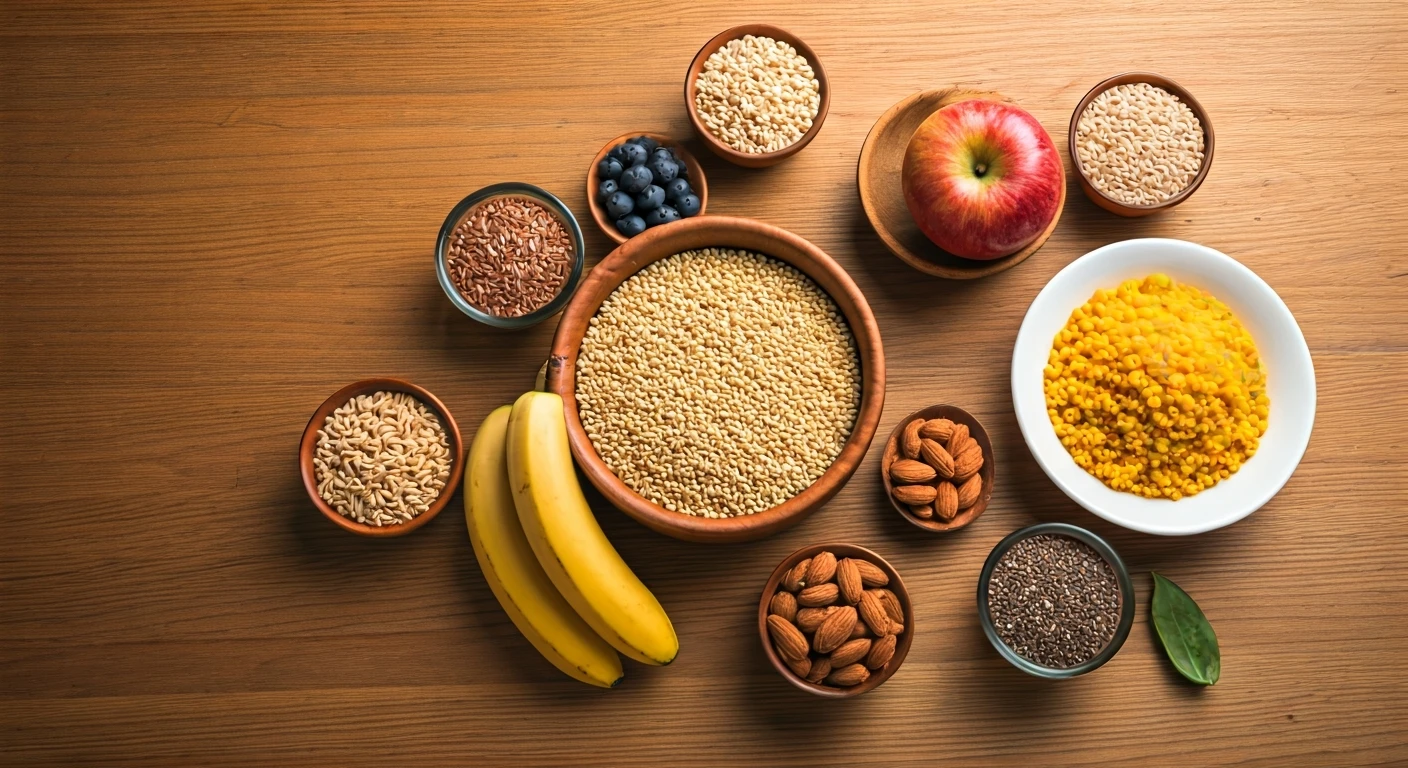
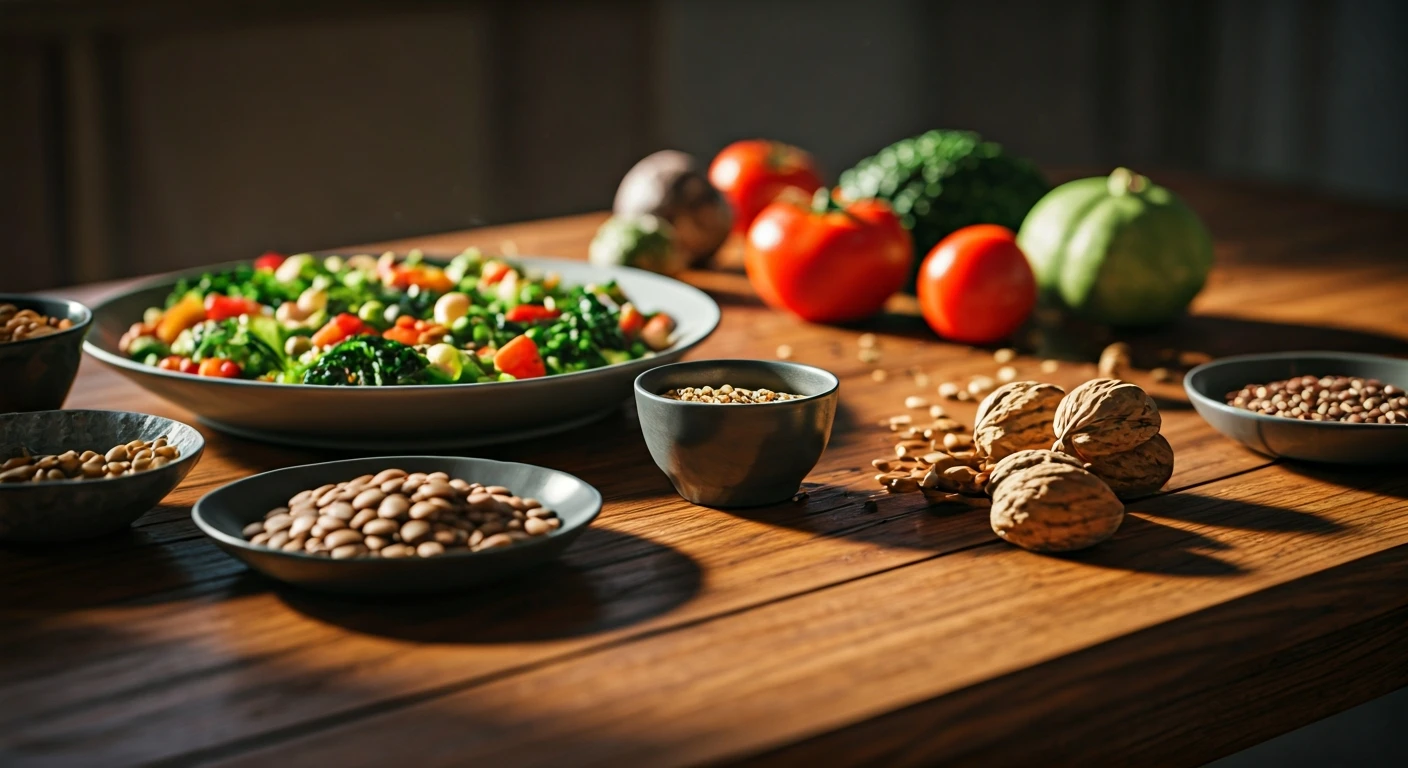
For many, the word 'fasting' conjures images of complete deprivation. The Ekadashi fast, however, is more nuanced. Known as a 'vrat' (a vow or observance), it’s less about starving and more about shifting focus. On this day, devotees abstain from grains—like wheat, rice, and millets—and legumes, such as beans and lentils. The reasoning is rooted in ancient beliefs that these foods can make the body feel heavy and sluggish, hindering mental clarity and spiritual focus. By setting them aside for a day, the practitioner aims to lighten their physical system, quiet the mind, and direct their energy toward prayer and meditation. It’s a form of dietary discipline that serves a higher spiritual purpose.
Breaking the Fast: Light and Festive
Here’s where the food comes back in, and it’s the best part. The meals eaten on Ekadashi, or to break the fast on the following day, are collectively known as 'phalahar.' The philosophy is simple: the food should be pure, energizing, and easy to digest, yet satisfying enough to feel special. This isn't about bland, joyless eating. Instead, it’s a creative culinary challenge that results in a unique category of festive cuisine. These dishes use a specific pantry of permitted ingredients to create textures and flavors that are both comforting and celebratory, proving that 'light' and 'festive' can absolutely coexist on the same plate.
The Stars of the Vrat Kitchen
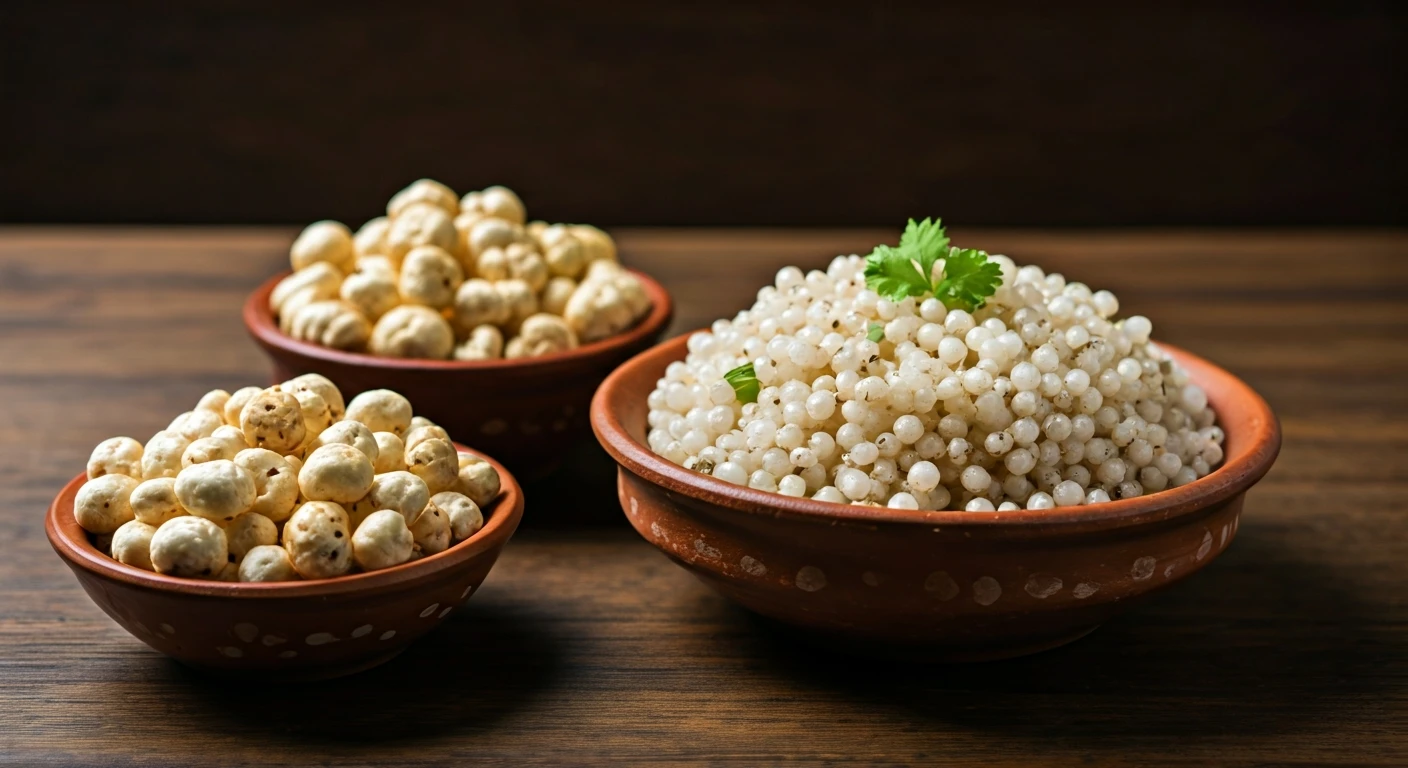
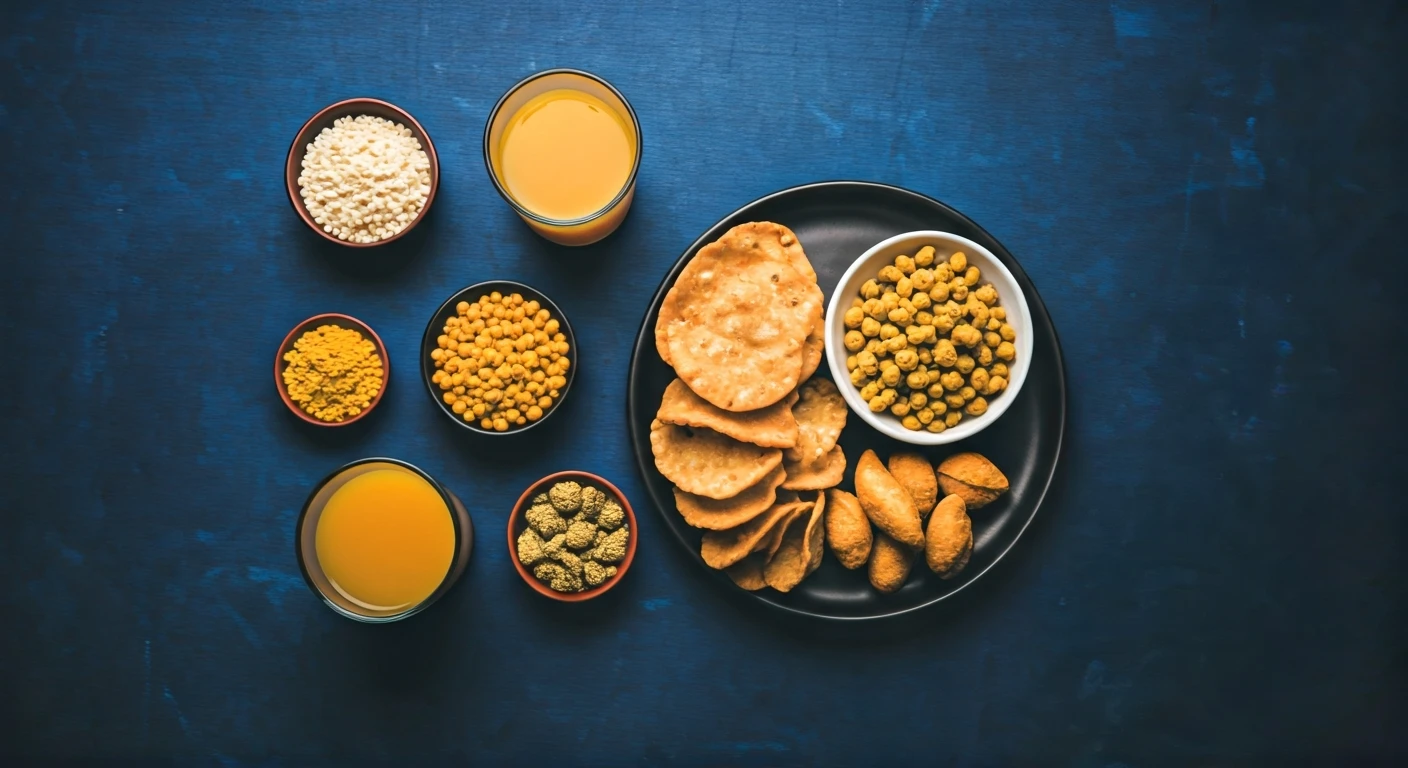
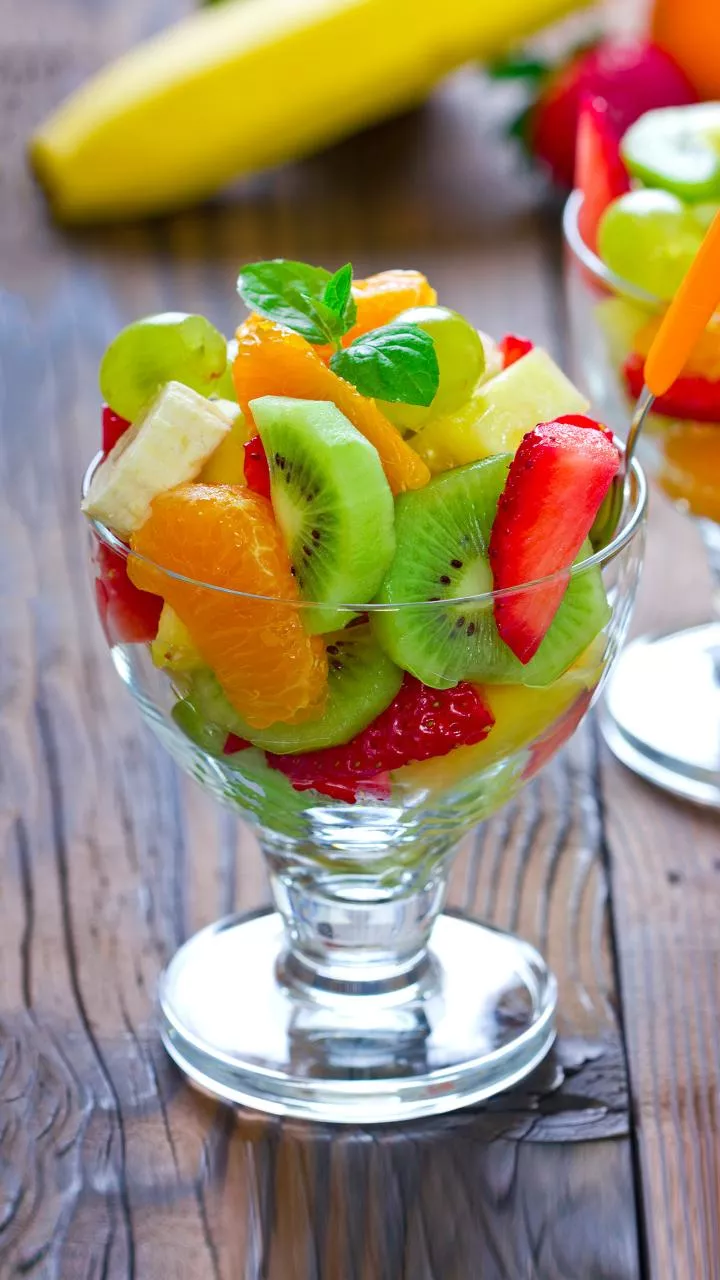
The ingredient list for Ekadashi cooking is a fascinating study in nourishment. Sabudana (sago pearls) are a cornerstone, providing carbohydrates in a light, gluten-free form. Potatoes, sweet potatoes, and yams offer earthy substance. Flours made from water chestnuts (singhara ka atta) and buckwheat (kuttu ka atta) replace traditional grain flours for making breads and pancakes. Amaranth (rajgira) provides a protein-packed alternative. Dairy products like yogurt and paneer add richness, while fruits and nuts are used generously for natural sweetness and texture. Spices are used judiciously, with rock salt (sendha namak) replacing common table salt, and cumin, ginger, and green chilies adding flavor without overstimulating the palate.
Tastes of Celebration
What does this all turn into? Imagine a warm bowl of Sabudana Khichdi, where translucent sago pearls are tossed with boiled potatoes, roasted peanuts, and a hint of lemon—a delightful mix of chewy, soft, and crunchy. Picture crispy Kuttu Ki Puri (buckwheat flatbreads) served with a simple, tangy potato curry. Or consider a sweet, comforting bowl of Makhane Kheer, a pudding made from puffed lotus seeds simmered in milk with cardamom and saffron. These dishes aren't just substitutes; they are beloved classics in their own right, eagerly anticipated as a delicious reward for a day of devotion and discipline.