




How 'Comfort' Became a Dirty Word
Let’s be honest: for the better part of a decade, “comfort food” was treated like a guilty pleasure at best, and a culinary failure at worst. In an era dominated by the visual spectacle of Instagram, food became aspirational. We were sold on foams, gels,
and 15-ingredient salads that looked better than they tasted. The wellness wave simultaneously cast a suspicious eye on anything containing carbs, butter, or joy. A hearty bowl of macaroni and cheese or a perfectly fried piece of chicken felt almost regressive, something you ate on the couch, not something you’d pay a premium for at a trendy restaurant. It was dismissed as “basic”—a label that implies a lack of thought, skill, and sophistication. But this view fundamentally misunderstands what makes these dishes so powerful.
The Great Cultural Correction
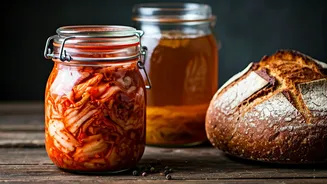
So, what changed? In short, everything. A global pandemic forced us inside, stripping away the performance of public life and reminding us what we crave in moments of uncertainty: solace, security, and warmth. Suddenly, a complex tasting menu felt wildly out of touch. We wanted food that hugged us back. Sourdough starters became national heroes, and home-cooked stews were a collective act of self-care. This shift wasn’t temporary. As we emerged, battered by economic anxiety and a general sense of burnout, our appetite for fuss and pretense had vanished. We grew tired of restaurants that felt more like art galleries than places to eat. The return to comfort food is a cultural correction. It’s a quiet rebellion against the pressure to be constantly optimizing, performing, and aspiring. It’s a vote for satisfaction over spectacle.
Simple in Spirit, Sophisticated in Execution
To say this food is “basic” is to ignore the immense skill required to perfect it. Today’s comfort food renaissance isn’t about just reheating frozen pot pies. It’s about chefs applying classical training and top-tier ingredients to dishes we thought we knew. Think of the perfect smash burger, where the Maillard reaction on the beef is precisely controlled. Consider a lasagna with a béchamel that’s silky smooth and a ragù that has simmered for eight hours. Or a buttermilk fried chicken with a crust so flawlessly crunchy it shatters. This isn't simple cooking; it's the mastery of fundamentals. Achieving the perfect texture in mashed potatoes or the exact balance in a meatloaf is arguably harder than hiding behind an exotic ingredient or a dramatic smear of sauce on a plate. It’s an expression of confidence—the food is so good, it doesn’t need to shout.
A Bigger, More Inclusive Table
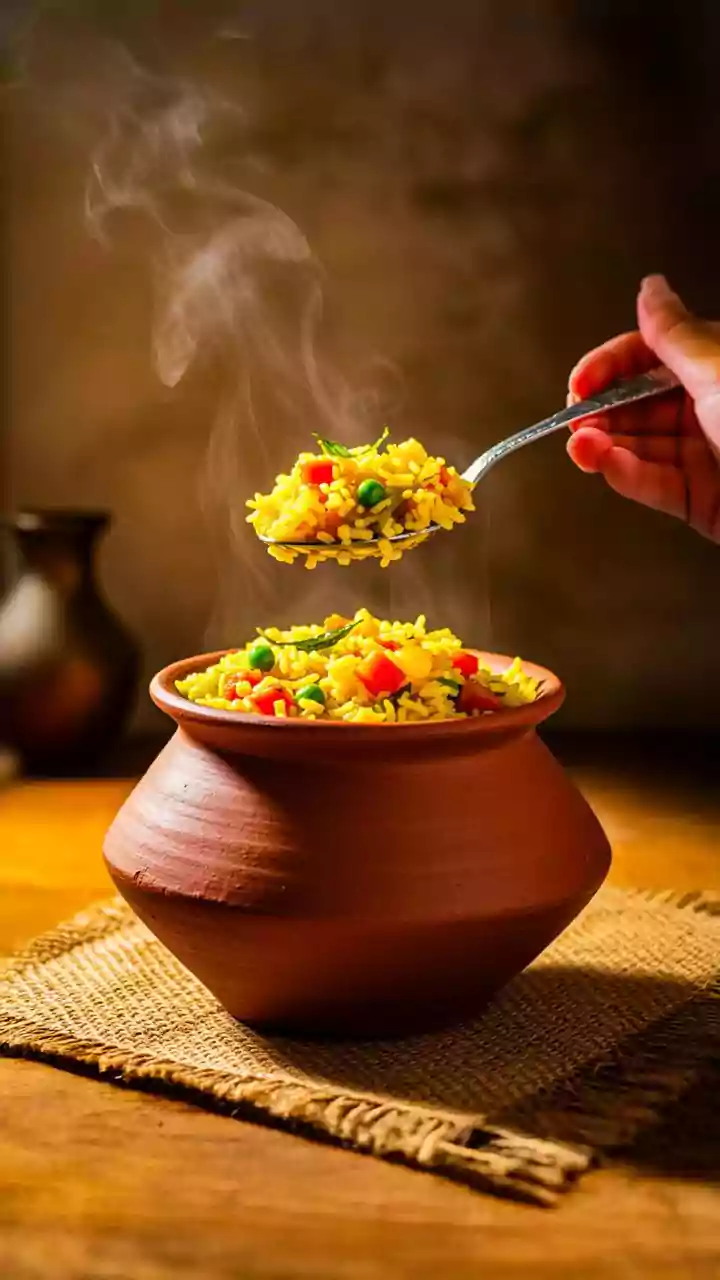
The revival also comes with a long-overdue expansion of what “comfort food” even means in America. For too long, the term was narrowly defined by a handful of Euro-centric, mid-century dishes. But comfort is personal and cultural. The new wave rightfully recognizes this. It’s the rich, fragrant broth of a bowl of pho that reminds someone of their grandmother’s kitchen. It’s the slow-stewed, impossibly tender birria tacos served with consomé for dipping. It’s a bowl of creamy grits, a plate of spicy shakshuka, or a steaming bowl of Japanese ramen. By embracing a more global pantry of comforting dishes, restaurants are finally reflecting the true diversity of the American experience. Your comfort might be chili; mine might be congee. Both are valid, and both are finally getting the respect they deserve on menus across the country.