



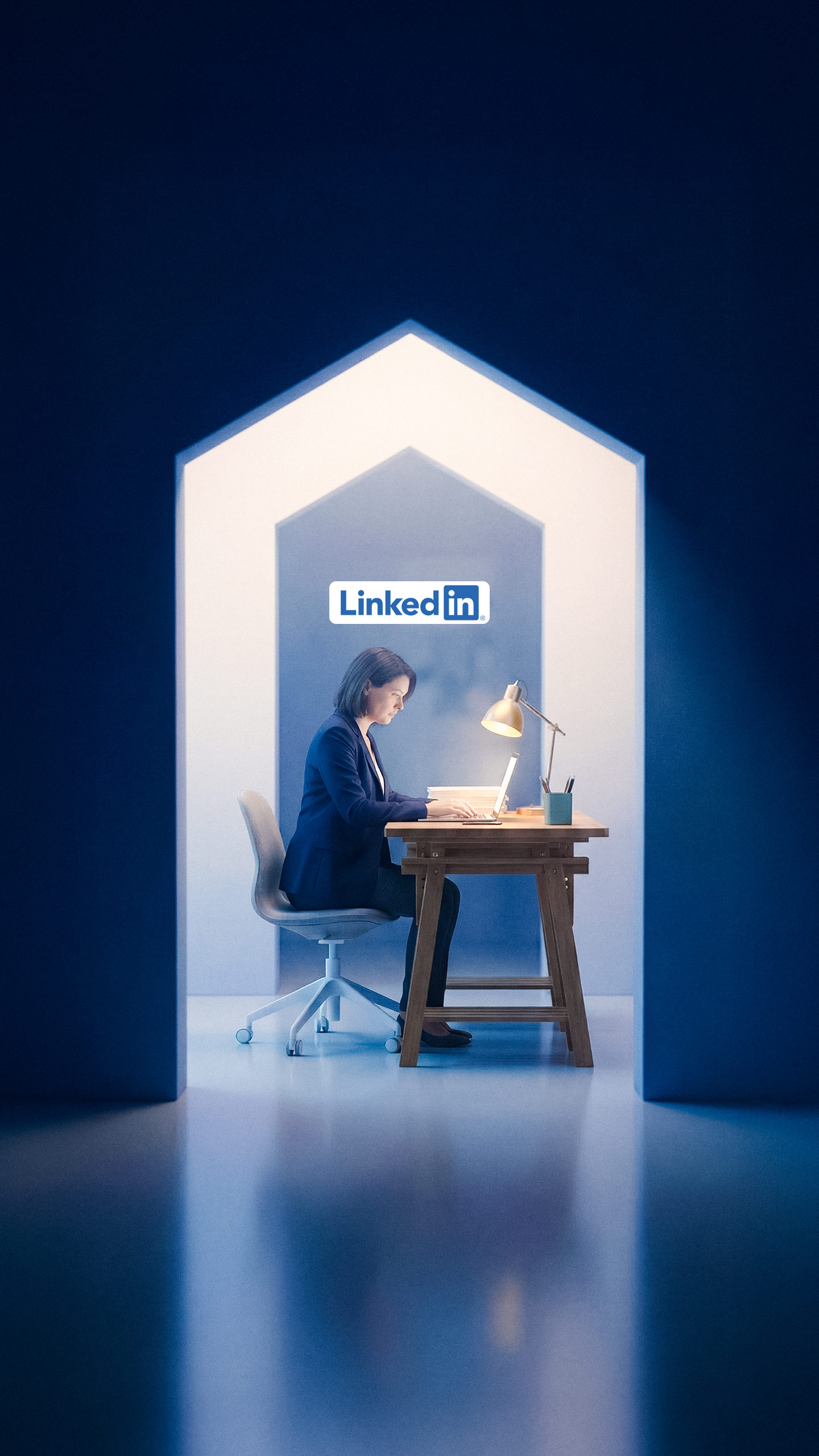




The Backlash Against Burnout Culture
Not long ago, 'hustle culture' was the undisputed champion of professional ambition. We lionized the founder pulling all-nighters, the executive answering emails at 3 a.m., and the employee who never took a vacation. This 'rise and grind' mentality was glamorized
on social media and implicitly rewarded in many corporate environments. Productivity was measured in hours logged, not in output quality. But a deep and widespread fatigue was setting in, even before the global pandemic threw a wrench in the machine. The pandemic acted as a great accelerator. Forced into remote work, millions of Americans were suddenly living where they worked. The lines between professional and personal life dissolved completely, leading to a spike in burnout. This collective exhaustion sparked a powerful counter-movement. Terms like 'quiet quitting'—the act of doing one’s job as written and nothing more—entered the lexicon, signaling a firm rejection of going 'above and beyond' for no extra reward. Workers began to question the entire premise of performative workaholism, realizing that being constantly 'on' wasn't making them more effective, just more exhausted.
Enter Gen Z: A New Set of Rules
Fueling this cultural shift is a new generation entering the workforce with fundamentally different expectations. Gen Z, having watched older millennials and their parents sacrifice their well-being on the altar of career advancement, is largely unimpressed by the hustle narrative. They arrived in the professional world armed with a fluency in mental health discourse and a healthy skepticism of corporate loyalty. For many younger workers, a job is a component of their life, not its entire definition. They prioritize flexible schedules, clear boundaries, and employers who genuinely support employee well-being. They are more likely to ask about paid time off policies and mental health benefits during an interview than about the speed of the promotion track. This isn’t laziness; it’s a strategic reallocation of personal energy. They understand intuitively what research confirms: a well-rested mind is a more creative, focused, and productive one. Their 'flex' isn't about enduring hardship; it's about designing a sustainable life where work fits in, rather than taking over.
What 'Rest as a Flex' Actually Looks Like
So, what does it mean to 'flex' rest in the modern workplace? It’s less about posting pictures of naps on LinkedIn and more about a series of subtle but powerful acts of professional self-preservation. It's logging off at 5 p.m. without guilt. It’s activating an out-of-office email reply for a mental health day. It’s declining a last-minute meeting that could have been an email. It’s taking your full lunch break, away from your desk. Crucially, it’s about disconnecting from the digital leash. The new flex is de-syncing your work email from your personal phone or using 'focus mode' to block notifications after hours. In a culture where being perpetually available was once a badge of honor, being intentionally unavailable is the new power move. It signals confidence, good time management, and a trust in one’s own ability to perform effectively during designated work hours. It reframes productivity from a measure of sheer endurance to a measure of intelligent energy management.
A Passing Fad or a Permanent Shift?
Skeptics might dismiss this as a passing trend, a temporary byproduct of a tight labor market where employees have more leverage. But many signs point to a more permanent structural change. Companies are realizing that in the war for talent, a culture of burnout is a significant liability. The smartest organizations are no longer just paying lip service to 'work-life balance'; they are actively building it into their operations. Progressive companies now highlight their flexible work policies, unlimited PTO, and mental health resources as key recruitment tools. Managers are being trained to spot signs of burnout and encourage their teams to disconnect. The conversation is shifting from celebrating the employee who works on vacation to celebrating the manager who ensures their team members take their vacation time. In this new landscape, advertising a culture that respects personal time is no longer a perk; it's a competitive advantage.